March Heat Wave Garden Tips 5 Easy Ways To Save Your Plant
Finding reliable March heat wave garden tips is now crucial as unseasonal temperatures hit our gardens this spring. Sudden heat spikes can quickly kill tender seedlings before they even have a chance to start growing. Gardeners around the world are experiencing record-breaking temperatures that feel more like midsummer.
In my experience, you can prevent severe damage to your garden by taking immediate action. In this guide, I will show you how to protect your plants using practical methods like mulching, shading, and smart watering. Let’s build a climate-resilient garden together.
Why Early Spring Heat Waves Are a Gardening Emergency
Plants in March are in a very fragile growth phase. They are just emerging from winter dormancy. This means their stems and roots are not ready for extreme heat yet. Sudden temperature spikes significantly increase transpiration rates. As a result, plants lose water from their leaves and root zones too quickly.
Protecting plants from unseasonal heat is vital for a healthy harvest. Heat stress does more than just damage leaves. It can also stop fruit production and kill delicate flowers. According to NOAA, early spring heat waves are becoming more frequent. This shift makes climate-resilient gardening techniques essential for every backyard. Even small changes, like morning watering, can save your plants from becoming wilted casualties.
5 Strategic Ways to Save Your Garden During a Heat Wave
1. Deep Watering vs. Surface Misting
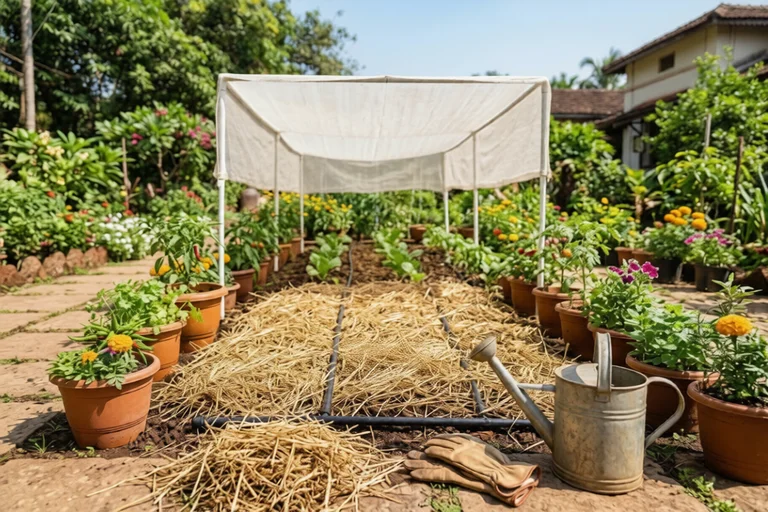
Temporary shade provides one of the best defenses against the intense sunlight in March. You can protect vulnerable plants by using lightweight shade cloths. Even simple DIY solutions, such as umbrellas or lattice panels, work effectively. These methods help shield sensitive greens like lettuce and spinach from scorching rays.
Implementing these March heat wave garden tips is essential for creating protective microclimates in your garden. For example, you can place your containers near shaded walls or fences, or grow taller plants that act as natural windbreaks. These strategies help moderate extreme temperatures and protect smaller seedlings from sudden spikes.
Designing these cooler spaces is a powerful climate-resilient gardening technique. It is one of the most effective ways to solve early spring gardening challenges in 2026. Gardeners worldwide now use these methods to keep their soil cool and their plants thriving.
2. Utilizing Shade Cloths and Micro-Climates
Temporary shade provides one of the best defenses against the intense sunlight in March. You can protect vulnerable plants by using lightweight shade cloths. Even simple DIY solutions, such as umbrellas or lattice panels, work effectively. These methods help shield sensitive greens like lettuce and spinach from scorching rays.
You should also create microclimates in your garden to protect plants. For example, place your containers near shaded walls or fences. You can also grow taller plants that act as natural windbreaks. These strategies help moderate extreme temperatures and protect smaller seedlings.
Designing these cooler spaces is a powerful climate-resilient gardening technique. It is one of the most effective ways to solve early spring gardening challenges in 2026. Gardeners worldwide now use these methods to keep their soil cool and their plants thriving.
3. The Power of Organic Mulching
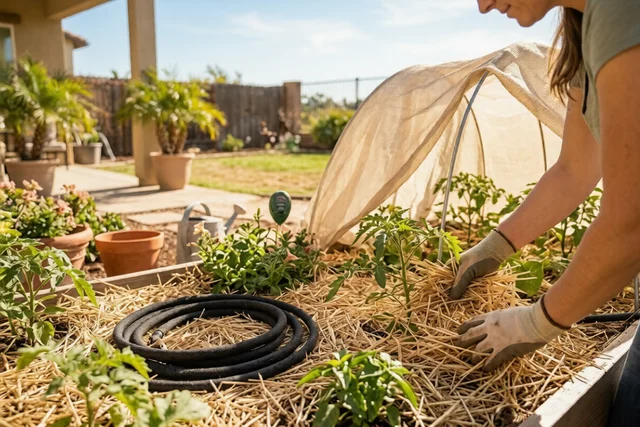
Organic mulch acts as a “climate shield” for soil. It reduces surface temperature, slows evapotranspiration, and enhances soil moisture retention. Common options include straw, shredded leaves, or wood chips.
In my experience, a 2–3 inch layer of mulch around seedlings not only keeps roots cool but also reduces weed competition. Over time, organic mulch decomposes, adding nutrients to the soil, which supports healthy growth even during the spring heatwave 2026.
Mulching also protects seedlings by slowing down moisture loss from the soil. It prevents the soil from drying out too quickly, which can be a lifesaver during sudden heat spikes.
4. Pause Pruning and Fertilizing
Do not prune or fertilize your garden during a heat wave. Many gardeners think these tasks help stressed plants. However, this is a common mistake. Pruning removes leaves that provide natural shade for the plant’s stems. Removing foliage increases the risk of ‘sunscald’ on your vegetables and flowers.
Adding nutrients during extreme heat can also harm your plants. Fertilizers stimulate new, tender growth, and this fresh growth needs even more water and energy to survive. As a result, it places additional heat stress on an already struggling garden and can even cause root burn in dry soil.
It’s best to wait until temperatures return to normal. Instead, focus on keeping your plants well-hydrated and providing adequate shade. Once the weather cools down, you can restart your feeding schedule. Later, you can also begin gradual pruning to support plant recovery. This patient approach helps prevent unnecessary damage during unseasonal heat waves.
5. Container Management & Hydration Stations
Potted plants are like mini ovens during a heat wave. They heat up much faster than the ground because their roots are trapped in a small space. The soil in containers can dry out in just a few hours. You must move your pots to shaded areas immediately to reduce heat exposure. In the northern hemisphere, the north side of your house is the best spot. It stays much cooler and provides natural relief from the scorching sun.
You should also set up hydration stations for your containers. Grouping your pots together helps them retain moisture, creating a small humidity bubble around the plants. Additionally, placing trays of water under the pots can keep the root zones well hydrated.
Heat tolerant plant varieties, like certain peppers or tomatoes, usually handle this better. However, they need extra care in March. Monitor your containers twice a day for signs of plant heat stress. Wilting soil or drooping stems mean your plant needs help right away. Taking these simple steps is a vital part of climate-resilient gardening in 2026.
Pro-Tip
The “Olla” Trick for Extreme March Heat
While hydration stations are great, you can take it a step further by burying a small, unglazed terracotta pot (an olla) in your larger containers or garden beds. Fill it with water and cover the top. The porous clay slowly releases moisture directly to the roots, creating a permanent cooling zone that surface watering can’t match. This is a game-changer for March heat wave garden tips because it prevents the soil from ever reaching bone dry temperatures.
Signs Your Plants Are Suffering (Diagnostic Checklist)
Recognizing stress early is crucial. Watch for:
- Wilting even after watering.
- Leaf scorch (brown, crispy edges).
- Flower or fruit drop.
- Yellowing of new growth.
Spotting these indicators allows gardeners to intervene before damage becomes irreversible. Early detection combined with the tips above is the cornerstone of climate-resilient gardening techniques.
Global heat waves are no longer a local issue. They are part of a larger climate pattern. Gardeners from the US to Asia now face unpredictable spring temperatures. These shifts often challenge our traditional planting calendars. This is why following professional March heat wave garden tips is more important than ever.
Investing in climate-resilient gardening is now a necessity. You must adopt techniques like mulching and drip irrigation to survive. Choosing heat-tolerant plant varieties will also help your garden thrive. Experts at RHS.org.uk suggest adjusting your watering schedules immediately. They also recommend monitoring soil moisture to protect seedlings from early heat spikes. These small steps significantly increase plant survival rates.
By planning ahead, you can protect your garden during the spring heatwave of 2026. These March heat wave garden tips will help you prepare for future climate fluctuations. Stay proactive and keep your plants hydrated, and your garden will reward you with a healthy, bountiful harvest.
Read more related articles: https://www.climatechallange.com/fire-resistant-landscaping-10-safe-garden-tips-for-wildfire-areas/
FAQS
Q1: Can plants recover from a sudden March heat wave?
Ans. Yes! Most plants can recover if you act quickly. Provide immediate shade and deep watering. Avoid fertilizing until the weather cools down to prevent further stress.
Q2: How often should I water my garden during a spring heatwave?
Ans. Water your plants deeply once a day, preferably in the early morning. This allows the water to reach the root zone before it evaporates in the sun.
Q3. Should I fertilize my garden during a heat wave?
Ans. Tender seedlings and cool weather crops like lettuce, spinach, and peas are most vulnerable. Move containers to the shade and use shade cloths for in ground plants.