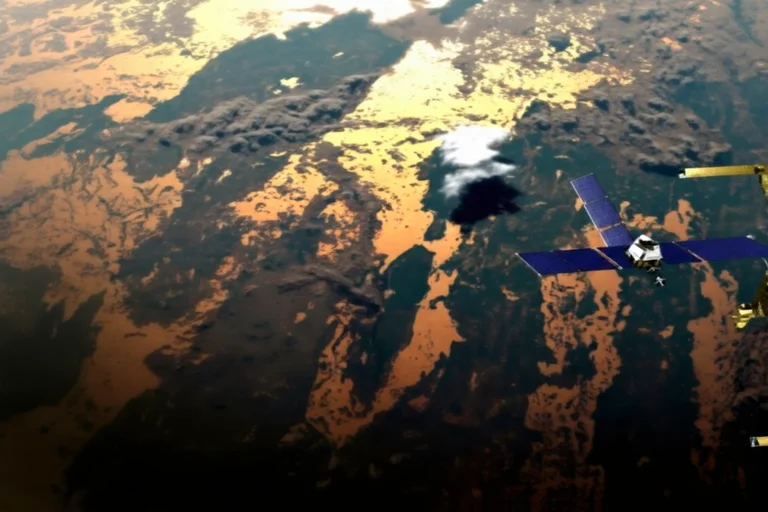
Passage Of Water What NASA Data Reveals About Earth’s Water
Water moves across our planet in ways most of us never get to see. From melting glaciers and shrinking rivers to rising seas and disappearing lakes, these changes often happen quietly and slowly. To help the world understand this hidden story, Google and NASA created an immersive experience called Passage of Water.
This project blends satellite science with visual storytelling, giving people a clear view of how Earth’s freshwater is shifting—and why these changes matter. In 2024–2025, both NASA and Google released several major updates around freshwater trends, water stress, and global shortages. These updates make Passage of Water even more meaningful today. This blog explains these new findings, how Google and NASA are using technology to track water, and what it means for our future.
What Is the Passage of Water Project?
Passage of Water is a collaborative project between Google Arts & Culture and NASA. Using satellite data from missions like GRACE, GRACE-FO, and SWOT, the project turns scientific measurements into an interactive experience anyone can understand.
Visitors can explore how water moves around the planet, why certain regions are drying, and how climate change is reshaping freshwater availability. Instead of relying on scientific charts or technical jargon, Passage of Water uses visuals, stories, and animations. This approach makes it simpler for people to understand complex concepts, particularly the vast scale of the global water crisis.
One of the most significant updates came from NASA’s satellite observations. According to GRACE and GRACE-FO data
Global freshwater has dropped sharply since 2014
NASA reported an abrupt decline in terrestrial freshwater storage, which includes groundwater, soil moisture, lakes, and rivers.
Key findings from NASA’s latest data:
1. Declining Freshwater Resources
NASA’s GRACE satellites show that global freshwater reserves have dropped significantly in recent years. Between 2015 and 2023, the planet lost nearly 1,200 cubic kilometers of groundwater compared to earlier averages. This decline signals long-term stress on rivers, lakes, and aquifers worldwide.
2. Overused Groundwater
Many regions rely heavily on underground water for agriculture and drinking. NASA data reveals that one-third of the world’s major aquifers are in decline, including the Indus Basin in South Asia. Without sustainable use, these aquifers may run dry, threatening millions of people.
3. Saltwater Intrusion in Coastal Areas
Rising sea levels are pushing saltwater into coastal aquifers. By 2100, nearly three out of four coastal groundwater reserves could be contaminated by saltwater. This intrusion threatens the availability of freshwater for drinking and farming, putting millions of people and crops at risk.
4. Regional Water Losses
In the Middle East, NASA satellites found that Turkey, Iraq, Iran, and Syria lost around 144 cubic kilometers of freshwater over the last decade. Over-extraction of groundwater and changing rainfall patterns are the main drivers.
5. Shifts in Lakes and Surface Water
NASA’s ICESat-2 mission has tracked over 227,000 lakes worldwide. Average water levels fluctuate by up to 22 centimeters with seasonal changes. These variations highlight how sensitive freshwater systems are to climate change.
Satellite Missions Behind the Project
NASA’s Earth science satellites play a major role in powering the Passage of Water. These satellites provide the critical data needed to track changes in Earth’s water systems and make the project’s insights possible.
GRACE & GRACE-FO
These twin satellites measure tiny changes in Earth’s gravity caused by shifting water.
They can detect:
- Groundwater loss
- Melting ice caps
- Reservoir changes
- Soil dryness
Their long-term data (2002–2025) gives one of the clearest pictures of how water is changing globally.
SWOT Mission
The Surface Water and Ocean Topography (SWOT) mission provides high-resolution mapping of:
- Rivers
- Lakes
- Wetlands
- Reservoirs
This allows scientists to see changes in water bodies that were previously too small to track from space.
SWOT data is also being integrated into Passage of Water, making the experience more accurate and powerful.
Google’s Water Stewardship Efforts (2024–2025 Update)
While Passage of Water helps educate the public, Google is also expanding real-world water restoration programs.
In their 2025 water stewardship report, Google announced:
- 4 new global partnerships focused on freshwater security.
- Projects in sustainable agriculture, wetland restoration, and community water access.
- A commitment to replenish 120% of the water used in their data centers and offices by 2030.
These projects include:
- Smart irrigation systems
- Watershed restoration
- Nature-based water storage
- Local water access for underserved communities
Key Takeaways for Earth’s Water Future
- Persistent Drought Risks: Global water shortages may continue or worsen if current trends persist.
- Coastal Water Threats: Saltwater intrusion threatens both agriculture and drinking water in coastal regions.
- Sustainable Management: Protecting aquifers and using water responsibly in agriculture and cities is essential.
- Public Awareness Matters: Interactive tools like “A Passage of Water” help communities and policymakers understand water challenges.
- Ongoing Monitoring: NASA missions like GRACE and SWOT will continue providing critical data to track changes and guide solutions
Why These Freshwater Matters
The latest data shows that water shortage isn’t just a regional issue.
Freshwater loss affects:
- Food production
- Power generation
- Biodiversity
- Drinking supplies
- Climate resilience
- Migration patterns
Around two billion people already live in water-stressed regions, and this number is rising yearly. Passage of Water is more than an online experience—it is a wake-up call supported by real science.
How This Data Can Help Governments and Communities
NASA’s water data gives governments and communities a clear picture of where water is plentiful and where it’s running low. Policymakers can use this information to plan sustainable water use, protect aquifers, and prevent shortages. Local communities can prepare for droughts or floods by adjusting water storage and conservation practices. Overall, the data empowers faster, smarter decisions to secure freshwater for everyone.
Passage of Water shows us a powerful truth: Earth’s water is changing faster than expected. With NASA’s satellite missions revealing rapid freshwater decline and Google supporting real-world water restoration, the project highlights both the challenges and the possibilities.
Yes, the global water crisis is serious. But tools like Passage of Water help us understand the problem clearly—and understanding leads to solutions. As freshwater becomes more uncertain, projects like this will play a key role in helping communities, leaders, and individuals prepare for the future.
Read more related articles> https://www.climatechallange.com/enhancing-smart-water-management-systems-in-agriculture/
FAQS
Q1. What is the main purpose of the Passage of Water?
Ans. Its main purpose is to help people understand how Earth’s freshwater is changing. It uses NASA’s satellite data and Google’s visual storytelling to show shrinking rivers, groundwater loss, melting ice, and global water trends in a simple, interactive way.
Q2. Which satellites provide data for the Passage of Water?
Ans. The project uses data from GRACE, GRACE-FO, and the SWOT mission. These satellites track groundwater changes, surface water movement, and long-term freshwater patterns from space with high accuracy.
Q3. Why is global freshwater declining so fast?
Ans. NASA’s latest findings show multiple reasons: climate change, reduced rainfall, overuse of groundwater, rising temperatures, and growing water demand. Many regions are entering a long-term dry phase.