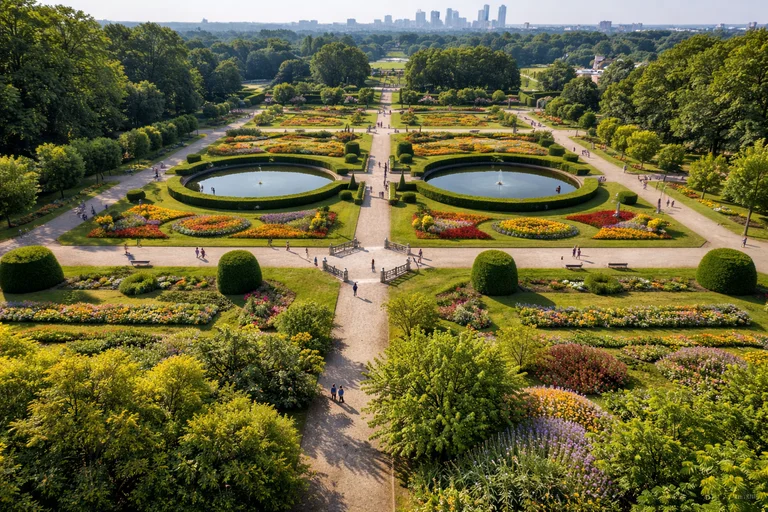
Botanical Gardens How They Preserve Plants, Wildlife, And Nature
As we move through 2026, the global environmental landscape is changing faster than ever. While technology continues to advance, our most powerful defenses against environmental decline remain deeply rooted in nature itself. Botanical gardens have evolved far beyond being mere scenic spots for weekend strolls; today, they stand at the forefront of protecting the planet and preserving its biodiversity.
From protecting endangered species to acting as vital hubs for scientific research, botanical gardens play a critical role in preserving the delicate balance of our ecosystem. In this blog, we will explore how these green sanctuaries are safeguarding our plants, wildlife, and the very nature that sustains us, ensuring a resilient future for generations to come.
The Role of Botanical Gardens in Plant Conservation
Plants form the backbone of life on Earth. They provide food, oxygen, medicine, and habitats for countless species. However, many plants are under threat from deforestation, urban expansion, and climate change. Botanical gardens address these challenges in several ways.
One of the key strategies is the creation of seed banks. Seed banks store seeds under controlled conditions, preserving genetic diversity and ensuring that future generations can grow rare and endangered plants. Many gardens also use tissue culture and laboratory propagation techniques to grow new plants from small samples, allowing them to expand plant populations without relying solely on wild habitats.
Horticultural gardens also simulate natural habitats, such as deserts, tropical rainforests, and wetlands, to grow plants under conditions similar to their native environments. This approach not only helps plants grow and survive but also enables scientists to better understand how different species adapt to changing climates.
Across the world, botanical gardens play a crucial role in conserving plant life. For example, the Royal Botanic Gardens, Kew, in the United Kingdom, actively protects more than 30,000 plant species, including many that are critically endangered. In Singapore, the Botanic Gardens’ Orchid Collection preserves native orchids while supporting research on plant hybridization and propagation. Similarly, in arid regions such as the Middle East, botanical gardens in Dubai and Oman cultivate native desert plants to protect biodiversity and raise public awareness about climate-resilient plant species.
Supporting Wildlife and Ecosystems
While plants are the primary focus, botanical gardens actively support wildlife and maintain healthy ecosystems. They create pollinator-friendly zones that attract bees, butterflies, and birds. Pollinators are essential for plant reproduction, and their decline poses a serious threat to global food security. By planting native flowering species and maintaining safe habitats, gardens help sustain pollinator populations.
Many gardens also incorporate wetlands, ponds, and water features that support amphibians, fish, and aquatic insects. These microhabitats provide safe environments for species that are often vulnerable in urbanized landscapes. For example, the Missouri Botanic Garden in the United States has constructed water gardens and ponds to support local wildlife while educating visitors about the importance of aquatic ecosystems.
Urban botanical gardens also improve environmental health. They reduce air pollution, regulate temperatures, and provide green spaces that contribute to community well-being. In cities like Tokyo and Berlin, botanical gardens act as urban lungs, offering residents a chance to breathe clean air and enjoy natural surroundings, even in dense metropolitan areas.
Education and Research Initiatives
One of the most impactful roles of botanical gardens is education. By providing hands-on experiences and interactive exhibits, they help people understand the value of biodiversity and environmental sustainability. School groups, families, and tourists can learn about plant life cycles, pollination, and ecological relationships in a way that is engaging and memorable.
Scientific research is another major focus. Botanical gardens around the world conduct studies on climate change, invasive species, and plant diseases, providing valuable insights for conservation efforts. Students and researchers use these gardens as living laboratories to develop sustainable agricultural practices, restore degraded habitats, and study how plants respond to environmental stress.
Some botanical gardens have even taken the lead in international collaboration. The New York Botanical Garden works with institutions in Africa and South America to conserve endangered tropical plants, while the Kirstenbosch Botanical Garden in South Africa focuses on preserving native fynbos species unique to the Cape Floristic Region. This global collaboration ensures that Plant sanctuaries are not just local conservation sites but key players in worldwide biodiversity protection.
Botanical Gardens’ Role in Climate Resilience
In 2026, one of the most important contributions of botanical gardens lies in strengthening environmental resilience. As cities face rising temperatures, extreme weather events, & continuous habitat loss, botanical gardens actively function as natural buffers, reducing environmental stress and promoting healthier ecosystems.
In addition to protecting plants, botanical gardens serve as models for sustainable urban planning. They demonstrate green infrastructure, like rainwater harvesting, shaded walkways, and soil restoration techniques, that cities can adopt to reduce environmental stress and create healthier urban environments. Gardens in regions prone to drought, such as Australia and the Middle East, provide practical examples of how communities can conserve water while supporting biodiversity.
By preserving diverse plant collections and supporting wildlife habitats, botanical gardens enhance the resilience of ecosystems & help them withstand environmental challenges. This approach ensures that even as the climate changes, species have safe spaces to survive and adapt, safeguarding global biodiversity.
Cooling Urban Spaces
Cities are heating faster than rural areas due to the urban heat island effect. Botanic parks help mitigate this by:
- Providing shaded areas through dense tree cover.
- Plants help lower local temperatures through evapotranspiration, releasing moisture into the air and cooling the surrounding environment naturally.
- They act as green lungs that improve air quality by absorbing carbon dioxide and pollutants.
Global Examples of Botanical Garden Impact

- Royal Botanic Gardens, Kew (UK): Protects over 30,000 plant species and conducts climate and conservation research.
- Singapore Botanic Gardens: Focuses on orchids, native plant species, and environmental education.
- Kirstenbosch Botanical Garden (South Africa): Conserves the region’s unique fynbos plants while raising awareness about local ecosystems and their importance.
- Missouri Botanical Garden (USA): Creates wildlife habitats in urban settings and runs public education programs.
- Dubai Miracle Garden (UAE): Showcases native desert flora and educates the public about sustainable landscaping in arid climates.
Even in Pakistan, gardens like the Shakarparian Botanical Garden in Islamabad contribute to conservation and environmental education, but globally, botanical gardens share knowledge, techniques, and expertise to preserve biodiversity across continents.
The Future of Botanical Gardens in 2026 and Beyond
As the impacts of climate change continue to intensify, botanical gardens will become increasingly vital in protecting biodiversity and supporting sustainable ecosystems. Their role extends beyond aesthetics—they are living laboratories, educational hubs, and climate resilience centers. Protecting and investing in these gardens ensures that future generations inherit not just beautiful green spaces but a planet with sustainable ecosystems and thriving biodiversity.
By visiting, supporting, or volunteering at botanical gardens, individuals contribute directly to ecosystem preservation and environmental education. Every seed planted, every species conserved, and every person educated brings us closer to a sustainable future.
In 2026, the need to protect our natural world has never been more pressing. Botanical Gardens are critical allies in this fight, preserving rare plants, creating urban wildlife habitats, promoting climate resilience, and educating communities about sustainability. They are more than gardens—they are living symbols of hope, resilience, and the interconnectedness of all life on Earth.
Supporting botanical gardens today ensures a greener, healthier, and more sustainable tomorrow. Whether through a visit, donation, or participation in educational programs, every action counts toward conserving nature for future generations.
For practical strategies on greening cities & maximizing cooling effects with vegetation, see our Urban Greening Checklist: https://www.climatechallange.com/urban-greening-checklist-grow-a-cooler-greener-city/
FAQS
Q1: What is the main purpose of botanical gardens?
Ans. Botanical gardens protect plant diversity, support wildlife, and educate the public about sustainable practices. They function as living seed banks and hubs for initiatives that strengthen ecosystems against climate challenges.
Q2: How do botanical gardens contribute to climate resilience?
Ans. Botanical gardens enhance climate resilience by creating green spaces that help cool urban areas. They absorb carbon dioxide, manage stormwater, and support pollinators and other wildlife. These functions make cities more sustainable and better equipped to handle climate change.
Q3. Where is the world’s largest botanical garden located?
Ans. The world’s largest botanical garden is the Royal Botanic Gardens at Kew in London, England, founded in 1840. In Asia, the largest botanical garden is the Acharya Jagadish Chandra Bose Indian Botanic Garden, located in Shibpur, Howrah, India.
Q4. How many plants are in botanical gardens?
Ans. Botanical gardens vary in size and collection, but major gardens like Kew in the UK have over 30,000 plant species. Missouri Botanical Garden in the USA maintains around 6,000 species. Smaller gardens may house a few hundred to a few thousand plants. Together, botanical gardens worldwide preserve hundreds of thousands of plant species for conservation and research.