Climate Change And Heart Risks What New Research Shows
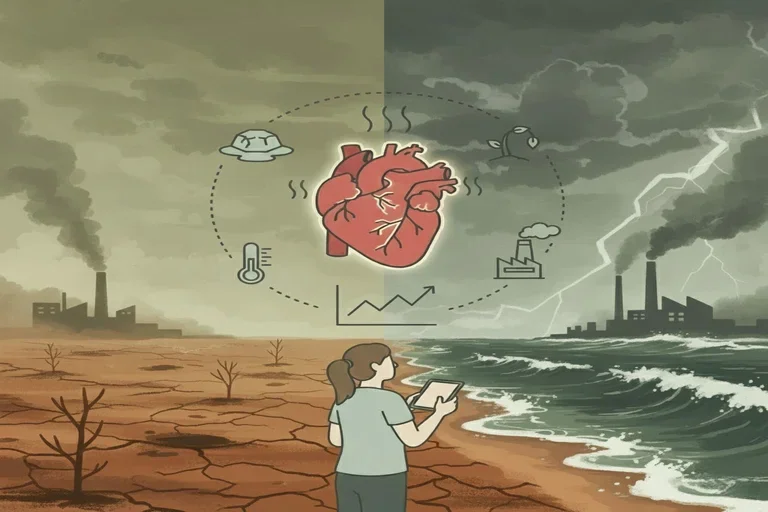
Climate change is reshaping global health—and one of the most urgent concerns in 2025 is its growing impact on the human heart. Rising temperatures, worsening air pollution, unpredictable weather events, and environmental stress are all contributing to climate change and heart risks, especially for vulnerable groups. New research from global health agencies shows a sharp rise in cardiovascular emergencies during extreme heat, poor air quality, and climate-driven disasters.
As the climate crisis accelerates, understanding how environmental instability affects your heart is no longer optional—it’s essential.
Why Heatwaves Are Becoming More Severe
Heatwaves are periods of abnormally high temperatures that last for several days or weeks. In recent years, global warming has made these events more frequent and intense. According to the latest data from NASA and the World Meteorological Organization (WMO), 2025 has already seen record-breaking temperatures in many regions worldwide.
The main reasons for this intensification include
- Rising greenhouse gas emissions: Higher CO₂ levels trap more heat in the atmosphere, making summers hotter.
- Urban heat islands: Cities with concrete, asphalt, and limited greenery absorb and retain heat, creating localized extreme heat.
- Reduced air moisture and drought conditions: Dry landscapes heat up faster, compounding the effect of heatwaves.
This combination of global and local factors means heatwaves are not only longer but also more dangerous than ever before.
How Heatwaves Intensify Climate Change and Heart Risks
Extreme heat is a major danger to cardiovascular health. When temperatures rise, your heart must work overtime to cool your body, placing significant strain and increasing the risk of serious complications. This impact is even greater for vulnerable groups, including older adults and people with existing heart conditions.
Key health impacts include:
- Elevated heart rate: The heart pumps faster to maintain body temperature, placing stress on the cardiovascular system.
- Dehydration and electrolyte imbalance: fluid loss reduces blood volume and heart function.
- Increased risk of heart attacks and strokes: Prolonged exposure to high temperatures can trigger life-threatening events.
2024–2025 studies confirm:
According to the American Heart Association (2024), areas that experience frequent heatwaves see higher hospitalization rates for heart-related problems. And with heatwaves expected to become even more intense in 2025, these risks are only projected to grow.
Link Between Air Pollution and Cardiovascular Health
Air pollution has long been a known risk factor for cardiovascular disease, but in 2025, climate change is making it even worse. Wildfires have become larger, longer-lasting, and more frequent, releasing massive amounts of PM2.5, smoke, and toxic gases into the air. Even communities far from the fire zones feel the impact, as winds can carry this pollution thousands of miles.
The cardiovascular effects include:
- Inflammation of the blood vessels
- Irregular heartbeat
- Higher risk of stroke
- Increased cholesterol oxidation
- Hardening of arteries (atherosclerosis)
Ground-level ozone—formed more quickly at temperatures—also worsens respiratory stress, which directly affects the heart. Research shows that even short-term exposure to wildfire smoke increases the risk of heart attacks, especially in adults over 60.
Extreme Weather Events and Long-Term Cardiovascular Stress
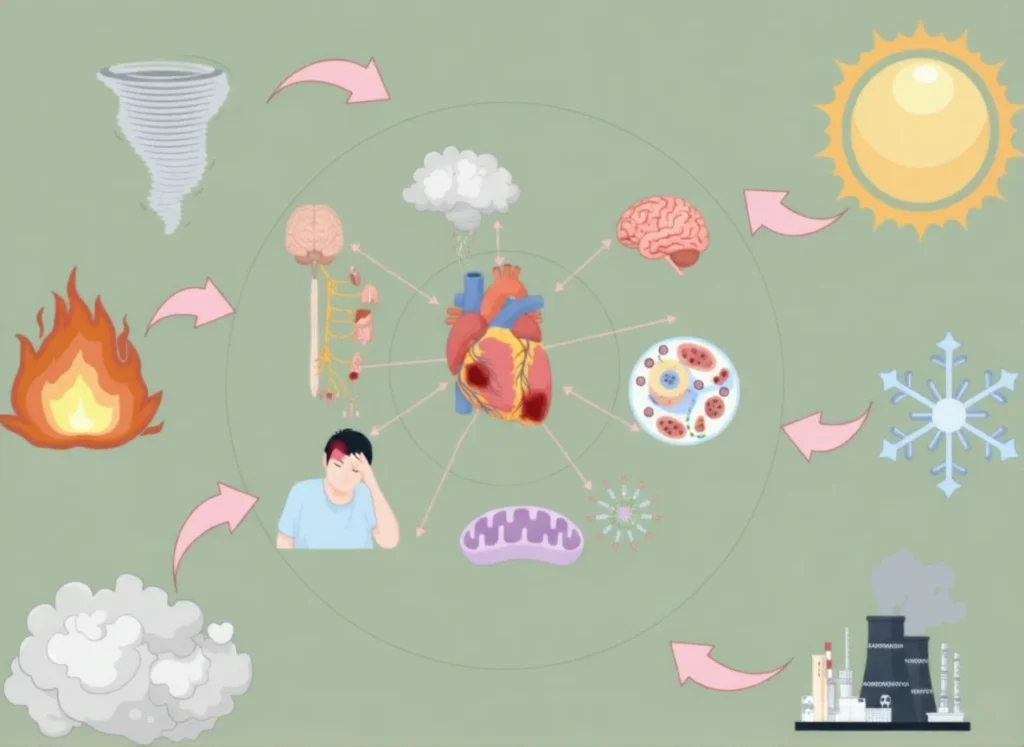
Climate change is intensifying storms, hurricanes, and floods. These events cause immediate injuries, but they also create long-term cardiovascular stress:
1. Healthcare Disruptions
During storms and floods, people with chronic heart disease may lose access to:
- Routine checkups
- Heart medications
- Emergency care
This can worsen conditions like arrhythmia, hypertension, and heart failure.
2. Increased Psychological Stress
Climate disasters trigger mental stress, anxiety, and trauma.
Research shows that chronic stress raises heart attack risk by increasing inflammation and blood pressure.
3. Poor Living Conditions After Disasters
Displacement leads to:
- Poor sleep quality
- Limited clean water
- Nutritional changes
- Reduced physical movement
Each of these factors contributes to rising climate change & heart risks, particularly among older adults and people with chronic illnesses.
Vulnerable Groups: Who Faces the Highest Heart Risks?
Climate change doesn’t affect everyone equally. Some groups face significantly greater cardiovascular danger:
- Elderly individuals (60+)
- People with hypertension, diabetes, or obesity
- Pregnant women
- Outdoor workers
- Children exposed to pollution during development
- Low-income communities
- People living in flood- or heat-prone regions.
Limited healthcare access, poor housing, and hotter living environments further increase the risk.
How to Protect Your Heart in a Changing Climate
As climate change intensifies, protecting your heart requires proactive steps. In 2025, staying hydrated, avoiding peak heat hours, and using cooling devices are essential. Regular check-ups and monitoring cardiovascular health help detect early risks. Adopting climate-friendly habits, such as planting trees and reducing energy use, also lowers heat exposure and supports overall heart wellness.
Building Climate-Resilient Healthcare Systems
Healthcare systems must prepare for rising cardiovascular emergencies linked to climate change. This includes:
- Heat-alert warning systems.
- Climate-resilient hospitals.
- Training medical staff on climate-related heart risks.
- Strengthening emergency response during storms and floods.
- Improving access to medications in vulnerable regions.
A climate-ready health system can save thousands of lives each year.
Climate change is no longer a distant environmental issue—it’s becoming a direct everyday threat to the human heart. From heatwaves to air pollution and extreme weather, climate change and heart risks continue to rise sharply in 2025.
By staying informed, supporting climate solutions, and taking personal health precautions, we can protect our hearts and build a safer future for communities worldwide. The climate crisis is evolving fast—but with early action and awareness, the risks can be reduced.
Read more related articles at https://www.climatechallange.com/climate-change-and-cardiovascular-health-risks/
FAQS
Q1. How does climate change affect the heart?
Ans. Climate change increases the frequency and intensity of heatwaves, putting extra strain on the cardiovascular system. High temperatures can raise heart rate and blood pressure, increasing the risk of heart attacks and strokes. Air pollution linked to climate change also worsens heart health by causing inflammation and reducing oxygen flow. Vulnerable populations, like the elderly and those with pre-existing conditions, face the highest risks.
Q2. How can cities reduce the intensity of heatwaves for residents?
Ans. Expanding green spaces, planting trees, installing reflective surfaces, and promoting energy-efficient cooling systems can help reduce urban heat islands.
Q3. What diseases are most affected by climate change?
Ans. Climate change worsens cardiovascular diseases, including heart attacks, strokes, and high blood pressure, due to heat stress and air pollution. Respiratory illnesses, like asthma and chronic obstructive pulmonary disease (COPD), are also aggravated by rising temperatures and poor air quality. Additionally, climate-driven changes increase the risk of heat-related illnesses, vector-borne diseases like malaria, and waterborne infections during floods or extreme weather events.