
Climate Change In Tibet Rising Health And Environmental Risks
As of early 2026, the global scientific community is focused on one major environmental emergency: climate change in Tibet. Often called the Roof of the World,the Tibetan Plateau is now the front line of a rapid ecological shift that is happening three times faster than the rest of the planet. Understanding the impact of climate change is no longer just for researchers; it is a critical necessity for everyone, as it directly affects the Asian Water Tower, which provides water to billions.
This isn’t just about melting ice; it directly threatens human survival. The rapid climate change in Tibet is triggering a chain reaction of health and environmental risks, ranging from the release of ancient pathogens trapped in permafrost to the contamination of the Asian Water Tower. In this updated 2026 guide, we explore how these shifts in Tibet ecology are reshaping the future of millions and what it means for the ancient wisdom of Tibetan medicine.
Why is Tibet Called the Third Pole, and Why Is It Melting?
To understand the Tibetan environment, one must first understand its global significance. The Tibetan Plateau and its surrounding mountain ranges, like the Himalayas, are known as the “Third Pole” because they contain the largest reserve of fresh water outside the Arctic and Antarctic.
The rapid glacial retreat of 2026 is causing the Asian Water Tower to lose its stability due to extreme Third Pole warming. This warming is happening because the plateau reflects less sunlight as the ice disappears. As a result, the ground absorbs more heat, which speeds up the melting even more. Therefore, the climate change in Tibet is not just a local issue but a global crisis that threatens the water supply of billions.
Recent regional assessments indicate that the Plateau is warming nearly three times faster than the global average in certain high altitude zones. The combination of a thinner atmosphere, black carbon deposition, and changing monsoon patterns is accelerating glacier retreat.
According to the International Centre for Integrated Mountain Development (ICIMOD), glaciers in the Hindu Kush Himalaya region could lose up to 75% of their volume by the end of this century if emissions continue at current levels. This rapid ice loss destabilizes slopes, increases glacial lake outburst flood risks, and disrupts freshwater timing.
The environmental risk is visible. The health risk is emerging quietly.
The Hidden Threat Ancient Pathogens and Melting Glaciers
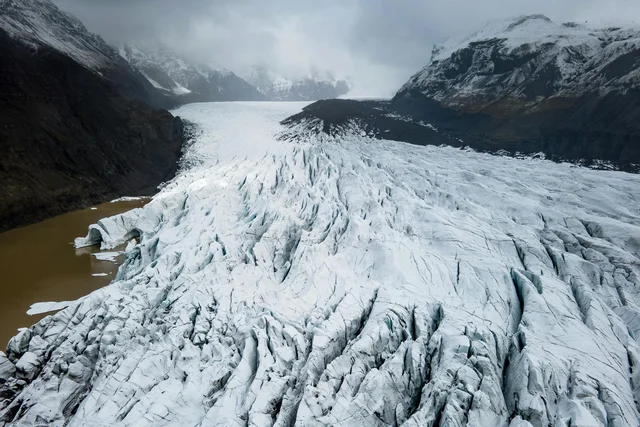
One of the most alarming health risks emerging in 2026 is the reactivation of ancient microbes. For thousands of years, the permafrost in Tibet has preserved these microorganisms like a natural freezer. Now, as temperatures rise, that natural freezer is opening up.
Studies published in Nature affiliated research journals have identified previously unknown viruses and bacteria preserved in glacier cores. As glaciers melt, these microbes are released into meltwater systems.
Although not all ancient pathogens pose a threat, the real concern centers on the following:
-
Unknown immunity responses
-
Ecosystem imbalance
-
Potential zoonotic spillover in fragile high altitude communities
Permafrost thaw in other regions has already demonstrated how dormant pathogens can reappear. Tibet’s accelerating melt makes long-term monitoring critical.
This transforms climate change in Tibet from an environmental issue into a biosecurity concern.
Water Quality and Mercury Pollution (Environmental Risks)
The climate change crisis in Tibet is not just about the quantity of water but also about its safety. The Tibetan Plateau is the source of Asia’s ten largest rivers, but as the glaciers retreat, they are releasing more than just water.
- The Mercury Threat: Recent 2026 studies have shown that melting ice is releasing tons of trapped mercury into the river systems. This heavy metal contamination poses a severe environmental risk to the millions of people living downstream who rely on this water for drinking and agriculture.
- Permafrost Degradation: As the ground thaws, it collapses (thermokarst), leading to landslides and the destruction of the local Tibetan ecology. This process changes the soil’s chemical composition, making it more difficult for traditional crops to grow and putting food security at greater risk.
Climate Change In Tibet: A Global Water Crisis for 1.9 Billion People
The impact of climate change in Tibet is not limited to the plateau itself. Because the region is the Asian Water Tower, its melting glaciers affect billions of people. Consequently, nearly 1.9 billion people depend on rivers that start in the Tibetan mountains. These people live in many different countries.
Countries affected include:
- China
- India
- Pakistan
- Nepal
- Bangladesh
- Myanmar
- Vietnam
Seasonal shifts in glacier melt are reshaping the entire system. For example, farmers can no longer predict irrigation cycles. These changes also threaten hydropower stability and food security. During dry seasons, reduced water flow creates serious risks, while extreme flooding is becoming more frequent.
As a result, climate change in Tibet has turned into a major water security crisis for Asia. It is also increasing geopolitical tensions over shared river basins. Protecting Tibet’s ecology has therefore become a matter of international peace.
How Climate Change In Tibet Affects Tibetan Medicine
Tibet’s ecological shifts are also threatening traditional knowledge systems.
Sowa Rigpa, the ancient Tibetan medical tradition, depends heavily on alpine medicinal herbs. Many of these plants grow only within narrow altitude bands. As warming pushes vegetation zones upward, some herbs are disappearing entirely.
Biodiversity loss is visible in:
- Alpine meadow degradation
- Shrinking habitat for endemic species
- Changes in pollinator cycles
When medicinal plants vanish, healthcare systems rooted in centuries-old ecological balance weaken. Climate change in Tibet, therefore, affects not only physical health but also cultural continuity.
OECD Countries and Global Adaptation Measures
Climate change in Tibet affects the entire world, so the global community must pay attention to it. We should examine how OECD countries manage similar risks. These countries actively invest in climate resilient infrastructure. In the same way, Tibet must improve its roads and hospitals to cope with emerging health threats.
Research shows that adaptation is expensive. However, it is necessary. For instance, protecting critical infrastructure in the Tibetan environment may cost 0.3% of the regional GDP. If we don’t invest now, the future cost will be higher. Climate change in Tibet requires everyone to adopt climate-friendly behaviors. Moreover, we must support global policies that protect the Tibetan ecology.
The 2026 update makes one fact clear: climate change in Tibet is accelerating faster than many earlier projections suggested.
It is not just about disappearing glaciers. It is about:
- Emerging health risks
- Polluted water systems
- Cultural medicine under threat
- Regional water instability
Protecting the Tibetan Plateau requires global climate mitigation, regional cooperation, and sustained scientific research. What melts in the “Third Pole” reshapes the future of Asia.
The opportunity to take preventive action is shrinking, but we still have time to act.
Read more related articles: https://www.climatechallange.com/global-warming-and-human-health-a-risks-and-survival-guide/
FAQS
Q1. Why is the Tibetan Plateau warming faster than the global average?
Ans. The Tibetan Plateau is warming faster than the global average because high-altitude regions experience amplified warming. The thinner atmosphere at higher elevations traps heat differently. In addition, the snow–albedo effect accelerates warming: as snow and ice melt, darker surfaces absorb more heat, which speeds up further melting. Black carbon deposits also darken the ice, causing it to absorb more sunlight and melt faster than in lowland areas.
Q2. What happened in Tibet in 2025?
Ans. In 2025, Tibet faced record-breaking glacial melts and flash floods. These events were a direct result of accelerating climate change in Tibet, leading to the displacement of local communities and a rise in waterborne diseases.
Q3. Is Tibet’s ecology permanently damaged?
Ans. Tibet’s ecology is extremely fragile. Although some damage is irreversible, we can still slow the effects of climate change by cutting global carbon emissions and safeguarding the plateau’s biodiversity.
Q4. How real is 7 Years in Tibet?
Ans. Although the movie tells a true story from the 1940s, Tibet’s environment has changed dramatically since then. Today, the real story is the climate crisis in Tibet. The peaceful glaciers once seen in the past are now melting rapidly as climate change accelerates across the region.