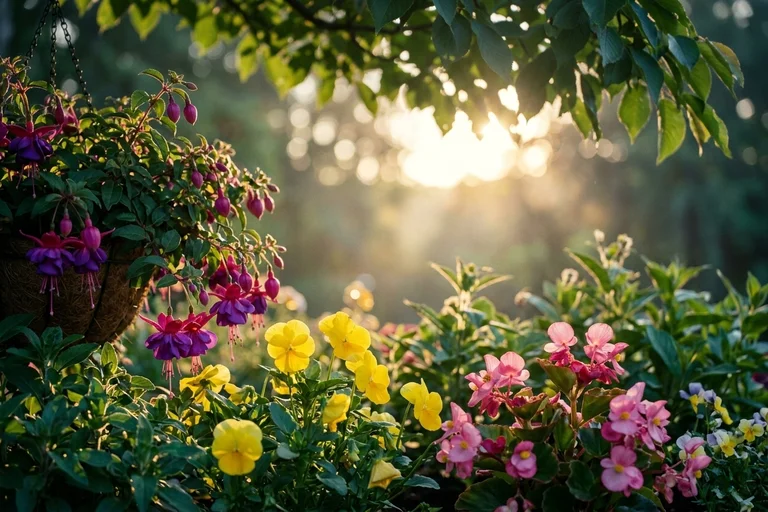
Edible Flowers For Shaded Areas 5 Best Plants That Grow Without Full Sun
Many of us dream of having a lush, sun filled backyard, but in reality, we often deal with tall fences, overhanging trees, or north facing walls that create long, stubborn shadows. If you are a climate challenged gardener, you know the frustration of watching sun loving marigolds wither in the damp corners of your yard. However, gardening is all about adaptation. I have spent years experimenting with low light corners, and I discovered a delightful secret: you don’t need a scorching sun to grow a garden you can eat. By choosing the right edible flowers for shaded areas, you can turn those forgotten spots into a gourmet pantry.
The biggest misconception in the gardening world is that shade means no growth. On the contrary, many culinary blooms actually prefer the cooler, more stable environment that partial shade provides. When we talk about edible flowers for shaded, we aren’t just talking about survival; we are talking about plants that flourish and taste better because they thrive better because the midday heat doesn’t put them under stress.
Why Grow Edible Flowers in Shade?
You might wonder why anyone would choose a shaded patch over a sunny one. The answer lies in the microclimate. In many regions, the afternoon sun is becoming increasingly harsh due to shifting weather patterns. Consequently, many delicate edible plants for low light actually bolt (go to seed) or turn bitter when exposed to direct heat.
- Flavorful Additions: Many edible flowers, such as pansies and violas, offer subtle, peppery, or sweet flavors that enhance salads.
- Year Round Gardening: Shade-tolerant plants extend your growing options, allowing you to utilize spaces that would otherwise remain empty.
- Pollinator Support: Even in shady spots, certain flowers draw bees, butterflies, and other beneficial insects, improving overall garden health.
- Aesthetic Appeal: Vibrant blooms brighten up low-light areas, transforming dark corners into features.
- Nutritional Value: Some edible blooms contain vitamins and antioxidants, adding a small but beneficial nutritional boost to your meals.
Growing edible flowers in shade is both practical and rewarding, combining beauty, flavor, and ecological benefits.
5 Best Edible Plants for Low Light
To help you get started, I have curated a list of the most reliable edible blooms for shade. These are not just decorative; they are hardworking plants that bring flavor, nutrition, and resilience to your plate.
1. Pansies: The Colorful Edible Faces of the Shade Garden
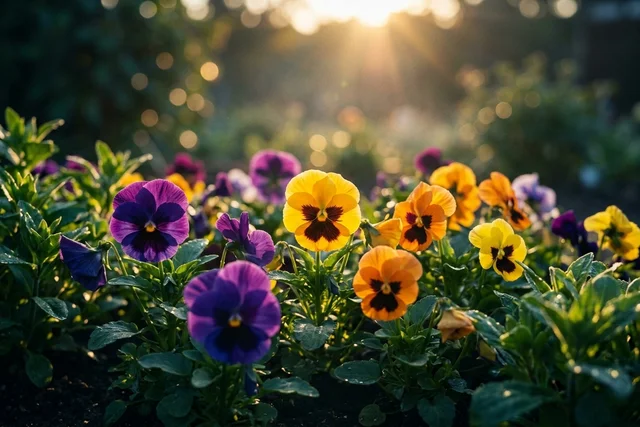
When it comes to edible flowers for shaded areas, Pansies (Viola tricolor hortensis) are one of the most reliable places to start. Many beginners think these delicate looking blooms need constant sunshine, but in my experience, they actually grow better in filtered light. In fact, according to experts at the Royal Horticultural Society (RHS), pansies are remarkably cold hardy, making them perfect for gardeners in temperate or unpredictable climates.
Why they thrive in shade: Unlike sun loving zinnias, pansies have low heat tolerance. Direct, harsh sun often causes them to leg out or stop blooming altogether. By planting them in a shaded bed, you extend their blooming season by several weeks.
Culinary Profile: They have a mild, slightly sweet, grassy flavor. Because of this, pastry chefs often crystallize them with sugar. If you’re hosting a summer brunch, press fresh pansies onto shortbread cookies before baking for a simple yet elegant touch.
2. Violas: A Strong and Reliable Flower
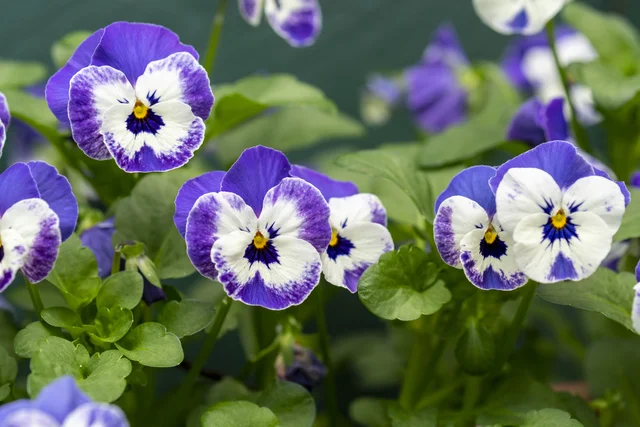
Often confused with pansies, violas (commonly known as Johnny Jump Ups) are smaller, tougher, and even more shade tolerant. If your garden feels like a climate challenge due to sudden frost or deep shadows, violas should be your go to choice. These best plants that grow without full sun are prolific self seeders; once you plant them in a shady nook, they often return year after year without any extra effort on your part.
Shade Management: Violas are particularly suited for dappled shade the kind of light that flickers through tree leaves. They don’t mind the dampness that often accompanies shaded areas, which is a huge plus for those of us dealing with heavier soils.
Taste and Texture: These tiny blooms have a distinct wintergreen or vanilla undertone. Moreover, because of their small size, they are perfect for freezing into ice cubes for floral cocktails. They add a sophisticated, expert gardener touch to any drink without overpowering the flavor.
3. Wax Begonias: A Tangy Flower for Deep Shade
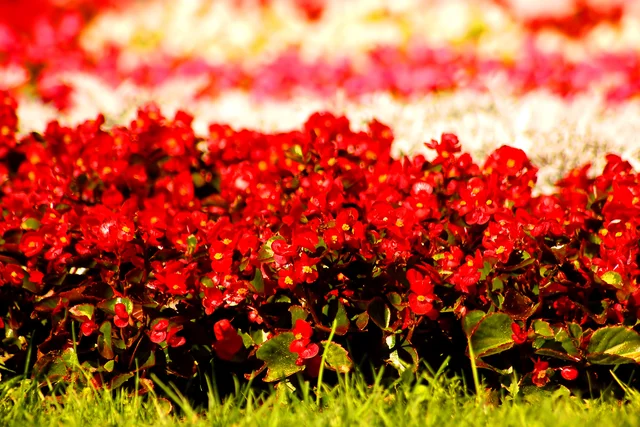
When people think of edible flowers for shaded areas, Begonias are often overlooked. However, wax begonias are some of the few plants that can truly handle “deep shade” while still producing masses of flowers. I remember being skeptical the first time I tasted one, but the crunch and flavor are genuinely impressive.
Climate Resilience: These plants use moisture very efficiently. Although they don’t tolerate soggy roots, they handle humidity better than most other shade plants. That’s why gardeners in warm, shaded areas with limited airflow often rely on them.
Kitchen Uses: Both the flowers and the leaves are edible. They possess a surprisingly sharp, citrus like tartness, similar to lemon or sorrel. I highly recommend using them as a zesty garnish for grilled fish or tossing them into a spinach salad for an unexpected pop of flavor.
4. Fuchsias: Beautiful Flowers for Hanging Baskets
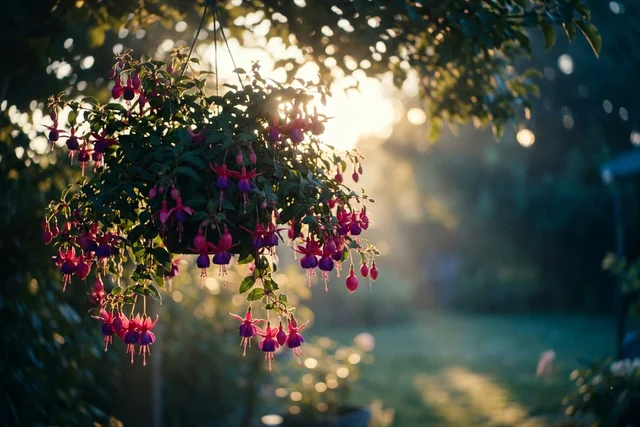
Fuchsias look like something out of a tropical rainforest, yet they are surprisingly hardy in partial shade. Fuchsias naturally grow in forest understories, mountain regions, and shady areas of South and Central America. While they prefer shade, they still need dappled or partial sunlight to thrive. If you have a shaded porch or balcony, they’re ideal for adding vertical interest without full sun.
Growth Habits: Fuchsias prefer consistent moisture and cool feet. In my gardening journey, I’ve found that mulching the base of fuchsias helps keep the roots cool, allowing the plant to focus its energy on producing those iconic ballerina blooms.
While most people grow them for their beauty, fuchsia flowers are edible and have a slightly tart, grape like flavor. After the flowers fade, the plant produces dark purple berries that are also edible and become quite sweet when fully ripe.
5. Impatiens: The Busy Lizzie for Dark Corners
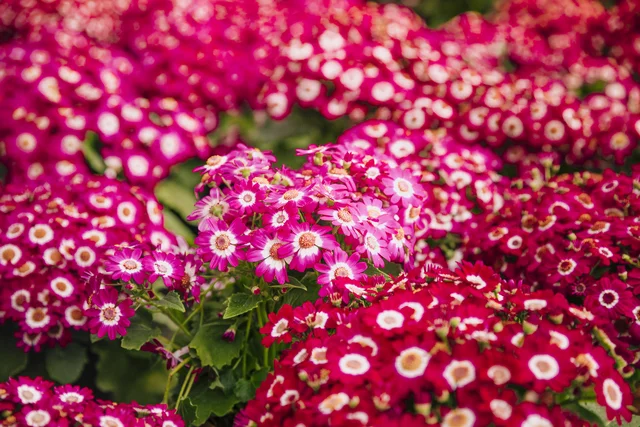
If you have a spot that gets virtually zero direct sunlight, impatiens are your answer. Known for their vibrant, neon like colors, these are among the most versatile edible flowers for shade. They are often used as bedding plants, but their culinary potential is a well kept secret among herbalists.
Management Tips: Impatiens are heavy drinkers. Therefore, they are an excellent indicator plant; if they start to wilt, it’s a sign that your shaded bed needs a deep soak. They are very sensitive to frost, so ensure you plant them only after the last spring chill has passed.
Culinary Profile: The petals are full of water and have a sweet, juicy flavor. They’re best enjoyed raw, sprinkled as a garnish on cold soups or added to a summer fruit platter for a burst of color.
Expert Care Tips for Edible Flowers for Shade
Transitioning to shade gardening means adjusting your routine a bit. Since evaporation is slower in the shade, it’s important not to overwater. I always suggest the finger test: stick your finger about an inch into the soil, and if it still feels damp, wait another day before watering.
Secondly, because shaded gardens tend to be more humid, slugs and snails become your primary rivals. Instead of using chemical pellets that would ruin your culinary blooms, try using copper tape around your pots or crushed eggshells to create a natural barrier. Lastly, ensure you use a slow release organic fertilizer. Shade loving plants put extra effort into blooming in low light, so they benefit from regular, gentle feeding to keep their flowers vibrant and flavorful.
To conclude, having a shaded garden is not a limitation; it is an opportunity to grow a unique and flavor packed landscape. Whether you are dealing with a small balcony or a large, tree covered yard, these 5 best plants prove that you can achieve both beauty and utility in the shadows. By focusing on edible flowers for shaded areas, you are leaning into a more sustainable, climate aware way of gardening that rewards you with fresh, organic ingredients right from your doorstep.
Start small with a few pots of pansies or violas, and as your confidence grows, expand into the tart world of begonias and the sweet berries of fuchsia. Your garden and your kitchen will thank you for it.
Read more related articles: https://www.climatechallange.com/pollinator-friendly-garden-10-native-plants-bees-and-butterflies/
FAQS
Q1. What is Edible ornamental gardening?
Ans.
Edible Ornamental Gardening also known as foodscaping, involves blending food producing plants into traditional decorative landscapes. Rather than hiding vegetables in a separate patch, you mix shade loving edible flowers, herbs, and fruit trees right into your flower borders. This method makes the most of small spaces while creating a beautiful garden that also yields fresh, organic produce.
Q1. Which edible flowers are best for north-facing gardens?
Ans. North facing spots are perfect because they stay cool. Pansies and violas are the undisputed champions here; they hate the heat and will bloom much longer in a north facing bed than in a sunny one. Another expert choice is fuchsias, which naturally grow in forest understories and flourish in the consistent, cool shadows of a north facing balcony.
Q2. Are all shade loving flowers safe to eat?
Ans. Absolutely not, and this is a vital culinary safety rule. Many popular shade plants, like lily of the valley or foxglove, are beautiful but highly toxic. Never assume a flower is edible just because it grows in the shade. Always verify the botanical name and ensure your culinary blooms are grown organically, without any chemical pesticides or systemic fertilizers.
Q3. How do you keep edible flowers fresh for cake decorating?
Ans. The key is timing. Harvest your flowers early in the morning when they’re fullest of water. Immediately place them between damp paper towels in an airtight container and refrigerate. This cold shock keeps your edible flowers for shade crisp and vibrant for up to 5 days, making them perfect for cake decorating or garnishing.