
How Bacteria In Lakes Fight Climate Change By Eating Methane
Lakes are often seen as serene, beautiful escapes, but beneath the surface lies a complex and bustling world of microorganisms quietly protecting our planet. Among these tiny lifeforms, bacteria play a crucial role in combating climate change. Bacteria in lakes fight climate change by consuming methane, one of the most potent greenhouse gases, and by maintaining the balance of nutrients that support healthy aquatic ecosystems. Understanding their vital role helps us appreciate how even the smallest organisms can have a massive impact on the environment.
Recent studies have revealed that lakes with active bacterial communities can naturally reduce greenhouse gas emissions, acting as biological filters that prevent methane from escaping into the atmosphere. By supporting these microbial allies, we can strengthen both freshwater ecosystems and global climate resilience.
How Bacteria in Lakes Reduce Methane
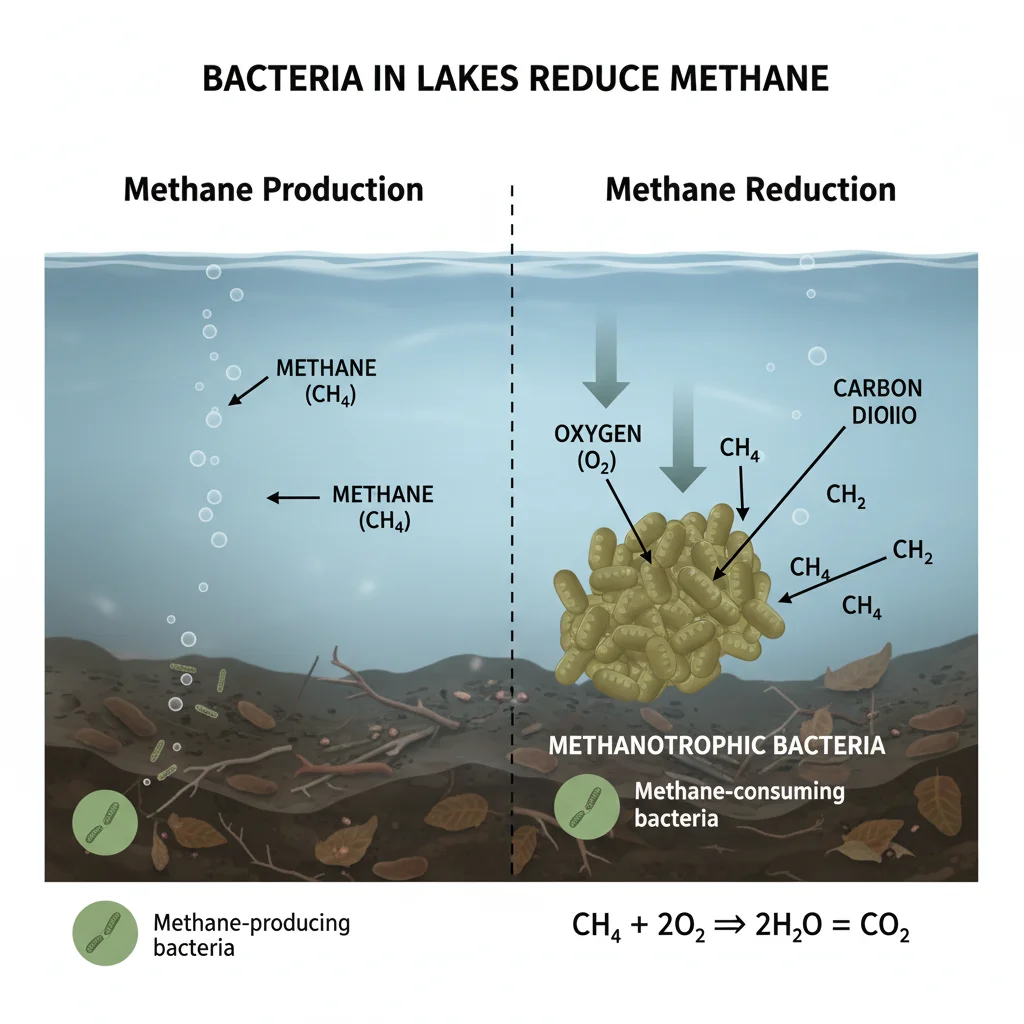
Methane is a greenhouse gas more than 25 times as powerful as carbon dioxide over a century. Lakes, especially those rich in organic matter, can emit significant amounts of methane from decomposing plants and sediments. Here’s where bacteria step in. Certain species, called methane-oxidizing bacteria (MOB), consume methane and convert it into carbon dioxide or other harmless compounds before it reaches the atmosphere.
These bacteria act as tiny natural filters, breaking down gases that would otherwise speed up climate change. They can thrive in both oxygen-rich and oxygen-poor environments, which means they continue processing methane even in challenging lake conditions. In doing so, these lake bacteria directly combat climate change by keeping large amounts of methane from entering the atmosphere.
Nitrogen and Carbon Cycling: The Hidden Climate Benefit
Beyond consuming methane, lake bacteria play a crucial role in the cycling of nutrients. They break down organic matter and convert nitrogen and phosphorus into forms that plants and algae can use. This process helps prevent excessive algae blooms, which, if left unchecked, can release other greenhouse gases like nitrous oxide.
By regulating nutrients, bacteria help maintain the overall health of lake ecosystems. This shows that their role in fighting climate change goes beyond consuming methane—they also keep freshwater environments balanced and resilient.
Supporting Aquatic Life and Biodiversity
Bacteria do more than drive chemical processes—they also support biodiversity. Healthy bacterial populations sustain plankton, fish, and other aquatic life by maintaining clean water and balanced nutrient cycles. In turn, these thriving ecosystems naturally store more carbon, helping further reduce greenhouse gases.
This ecological connection demonstrates that bacteria in lakes fight climate change both directly, through gas consumption, and indirectly, by sustaining ecosystems that act as natural carbon sinks.
Methane-Eating Bacteria in Action
Methane-eating bacteria are impressively versatile. They can survive in low-oxygen environments, perform fermentation, and even carry out denitrification—converting nitrates to nitrogen gas. This adaptability ensures they continue mitigating methane even under challenging conditions caused by pollution or climate change.
Research shows that lakes with diverse bacterial communities oxidize methane more effectively than those with limited microbial diversity. In other words, the stronger and more varied the bacterial population, the better the lake is at reducing greenhouse gases. This clearly demonstrates how lake bacteria combat climate change through their metabolic activities.
Human Impact and How to Protect Bacteria
While these bacteria are powerful allies, human activities can threaten their ability to fight climate change. Pollution, agricultural runoff, and chemical waste can damage bacterial communities, lowering their methane consumption. Rising temperatures and decreased oxygen levels in lakes—effects of climate change itself—further stress these vital microorganisms.
Humans can take simple steps to protect them. Reducing fertilizer runoff, restoring wetlands, preserving natural lake edges, and practicing sustainable farming are all ways to maintain healthy bacterial populations. By supporting these microbial communities, we allow bacteria in lakes to fight climate change effectively and sustainably.
Challenges Facing Lake Bacteria and Why Research Matters
Despite their importance, we still have much to learn about bacterial consumption of methane. Changes in temperature, oxygen levels, and nutrient balance can disrupt these communities, and some lakes may even lose critical bacterial species, reducing their natural ability to mitigate climate change.
Ongoing research is crucial for understanding how different bacterial populations respond to environmental stress. Scientists are exploring ways to enhance microbial diversity and function in lakes, ensuring that bacteria in lakes fight climate change now and in the future.
Invisible to the naked eye, bacteria in lakes are among our planet’s unsung heroes in the fight against climate change. By consuming methane, regulating nutrient cycles, and supporting biodiversity, these microorganisms provide both direct and indirect climate benefits. Protecting freshwater ecosystems ensures that these vital bacterial communities continue their work.
As global warming intensifies, the role of bacteria in lakes becomes even more critical. By preserving and understanding these microscopic allies, we can leverage their natural abilities to reduce greenhouse gases and strengthen ecosystem resilience. Clearly, bacteria in lakes fight climate change in ways that are both powerful and essential for a healthier planet.
Read more related articles> https://www.climatechallange.com/most-unusual-lakes-in-the-world-8-natural-wonders/
FAQS
Q1: Can bacteria fix carbon?
Ans. Yes. Some bacteria, such as photosynthetic species, convert carbon dioxide into organic compounds, storing carbon in lakes and reducing emissions into the atmosphere.
Q2: How do bacteria in lakes absorb greenhouse gases?
Ans. Methane-oxidizing bacteria metabolize methane into harmless compounds. Others absorb carbon dioxide during photosynthesis, helping limit greenhouse gas levels.
Q3: Can all lakes fight climate change equally?
Ans. No. Lakes with diverse, healthy bacterial populations are more effective. Pollution, nutrient imbalance, and climate stress can reduce their ability to mitigate greenhouse gases.
Q4: How can humans support bacterial activity in lakes?
Ans. Protect lakes by reducing chemical runoff, restoring wetlands, maintaining natural shorelines, and practicing sustainable farming to promote the growth of beneficial bacteria.