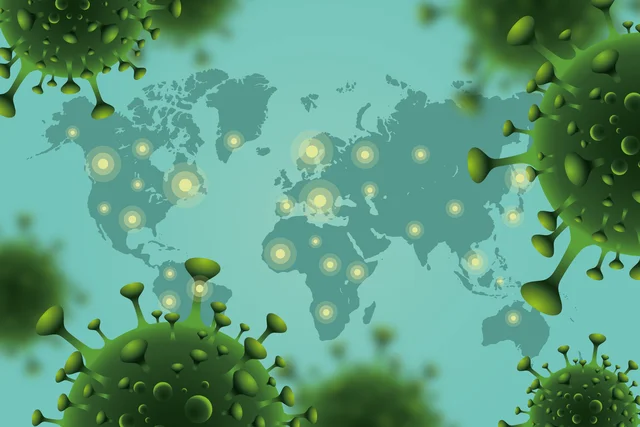
Microbial Genetic Network How Microbes Connect The Planet
Microbes are often seen as isolated organisms, but they are actually part of a massive, invisible web. This microbial genetic network functions as a biological internet, allowing bacteria and microorganisms to exchange DNA and adapt to environmental shifts globally. Unlike human networks, this hidden genetic exchange happens across oceans, soil, and even the atmosphere, forming a planet-wide database of biological information. For a world facing a climate challenge, understanding this microbial connectivity is the key to predicting ecosystem resilience and the future of life on Earth.
What Is a Microbial Genetic Network?
A microbial genetic network is essentially a global, invisible information highway for DNA. Unlike humans, who pass genes only to their children, microbes can exchange genetic material directly with each other, crossing species and geographic boundaries.
This network isn’t just for bacteria; it involves two primary types of microbes: bacteria and archaea. While they are distinct biological groups, they both use this network to “gift” survival traits to one another. Some fungi also participate in this exchange, making it a truly multi-kingdom collaboration.
The system relies on Horizontal Gene Transfer (HGT). Think of HGT as a “cloud storage” system for survival codes. Instead of waiting for evolution over thousands of years, a microbe can simply download a gene for antibiotic resistance or heat tolerance from a neighbor. Research published in Nature confirms that this connectivity is so vast that a gene discovered in a remote ocean trench can eventually surface in the soil of your own backyard. It is a planetary web that ensures life can adapt to almost anything.
The Science: How the Microbes’ Hidden Network Works
At the core of this network lies horizontal gene transfer, which works like a microbial file-sharing system. In simple terms, bacteria swap “DNA files” that contain survival strategies, allowing them to adapt quickly to changing environments. Scientists have identified several key mechanisms that make this genetic exchange possible:
- Transformation: Microbes pick up genetic material directly from the environment.
- Transduction: Viruses act as carriers, transferring DNA between bacteria.
- Conjugation: Microbes connect physically and exchange DNA directly.
These interactions don’t happen randomly. The environment, the needs of the microbial community, and survival pressures actively shape them. As a result, microbes adapt quickly to changing conditions—an ability that becomes especially important as climate change accelerates and reshapes ecosystems worldwide.
A Global Highway: Where This Network Exists
This genetic exchange isn’t limited to a single lab or a specific forest; it is happening everywhere, all the time. Here is how the Microbial Genetic Network links our world:
- The Deep Oceans: In our vast seawater, microbial communities are constantly “trading” genes. This helps marine life adapt to rising temperatures and increasing acidity, keeping the ocean’s chemistry in balance.
- The Living Soil: Beneath our feet, soil microbes actively use horizontal gene transfer (HGT) to share genetic “recipes” for processing nutrients. This powerful microbial network supports plant growth and helps soil store carbon more efficiently, playing a crucial role in ecosystem health and climate balance.
- The Atmosphere: Surprisingly, the network reaches the sky. Microbes suspended in clouds can transfer genetic data across entire continents, linking ecosystems that are thousands of miles apart.
Real-World Proof: Researchers studying microbial mats in the freezing Arctic and Antarctic oceans discovered something incredible. Genes for cold resistance were spreading across different microbial communities like a viral post. This proves that the Microbial Genetic Network is a truly global system of connectivity.
Microbes Linking the Planet: The Evidence
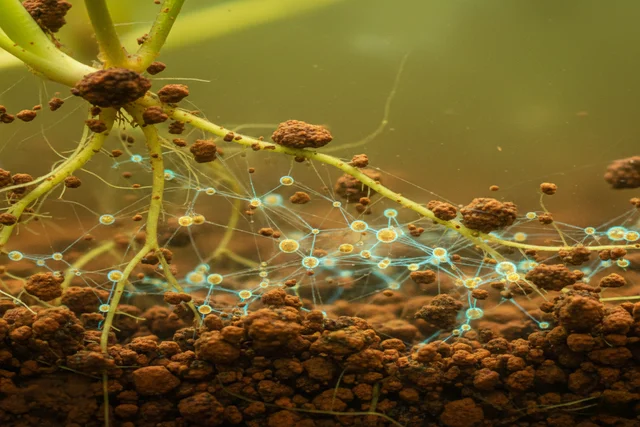
We don’t just assume this network exists,we have strong scientific evidence to prove it. In a large-scale study published by the European Molecular Biology Laboratory (EMBL), researchers analyzed 85,604 metagenomic samples collected from environments all around the world, confirming the global scale of microbial genetic exchange.
Each sample captured genetic material from entire microbial communities. The results were mind-blowing: they found that the same genes were being swapped across completely different environments. This study proves that the Microbial Genetic Network is a planet-wide database that allows life to stay connected and resilient.
Key findings from recent research highlight the network’s global reach:
- Ocean-to-Soil Transfer: Genes from marine bacteria have been discovered in soil microbes thousands of miles away. This shows that the Microbial Genetic Network acts as a planetary bridge.
- Atmospheric Highways: Research published in Nature Microbiology shows that airborne bacteria also exchange genes. These “flying microbes” transport genetic material across continents, linking ecosystems through the atmosphere.
- The Human Connection: This exchange isn’t just “out there” in nature; it influences our gut microbiota. Microbial gene trading affects our digestion, immunity, and even how we resist diseases.
- Agricultural Resilience: In farm soils, microbes share nitrogen-fixing genes, which act as a natural fertilizer to enhance crop growth and food security.
Why the Microbial Genetic Network is Crucial for Climate Change
Microbial networks are far more than a scientific curiosity; they are the frontline defense for our planet’s ecosystem resilience. As climate change brings rising temperatures and unpredictable weather, these hidden networks allow life to adapt at a pace that evolution alone cannot match.
Here is how this biological internet actively protects our environment:
- Adaptation: Microbes acquire genes that help them survive higher temperatures or changing pH levels.
- Ecosystem resilience: By sharing metabolic functions, microbial communities stabilize soil, water, and plant systems.
- Carbon cycling: Soil and ocean microbes regulate carbon storage and greenhouse gas emissions, influencing the planet’s climate.
As studies reported by Science Magazine highlight, the efficiency of carbon cycling in soil ecosystems is directly linked to the genetic adaptability of soil microbes. This network ensures that when one species struggles, others can fill in the ecological role, keeping ecosystems functional even under stress.
The Future of Microbial Research
As we move into 2026, our understanding of the microbial genetic network is expanding at an incredible pace. Thanks to advanced metagenomic sequencing, scientists are no longer just looking at individual microbes; they are mapping the entire “Biological Internet” in real-time.
This research isn’t just for textbooks; it has real-world applications that could change how we protect our planet:
- Climate-Smart Agriculture: Instead of chemical fertilizers, we can now design “microbial consortia” (teams of microbes) that naturally improve soil fertility and carbon capture.
- Environmental Early Warning Systems: By monitoring microbial gene signals, scientists can detect ecosystem stress long before visible damage appears. This functions like a biological radar, giving us an early alert for the impacts of climate change.
- Next-Gen Medicine: Studying global microbial gene networks enables the development of more effective probiotics, helping combat antibiotic resistance and improving health outcomes worldwide.
This research promises not only to deepen our understanding of life on Earth but also to provide tools for mitigating climate change impacts.
The Microbial Genetic Network is a powerful reminder that our planet is a single, interconnected living system. From the deepest ocean trenches to the air we breathe, microbes are constantly sharing the genetic secrets of survival. As we face global environmental shifts, this “hidden internet” may be our greatest ally in maintaining the balance of life.
Still curious about the Earth’s hidden network? To see this “Biological Internet” in action and understand the science behind it visually, watch our detailed breakdown on Facebook. We dive deeper into how these microbes are secretly shaping the future of our planet. Watch the full video here: Watch the full breakdown here
Read more related articles: https://www.climatechallange.com/understanding-fungi-characteristics-its-function/
FAQS
Q1: How do microbes share their DNA globally?
Ans. Microbes use a process called Horizontal Gene Transfer (HGT). Unlike vertical inheritance, where genes pass from parent to child, HGT lets microbes directly exchange genetic material. This can happen through mechanisms like conjugation or viral transduction, even between different species or across distant environments.
Q2: Is the microbial genetic network the same as the Wood Wide Web?
Ans. No, the Wood Wide Web describes underground fungal networks (mycorrhizae) that link trees. In contrast, the Microbial Genetic Network is a far broader, planet-wide system where bacteria, archaea, and fungi exchange genetic data across oceans, soils, and the atmosphere.
Q3: What is the latest research saying about these networks in 2026?
Ans. Current 2026 metagenomic studies show that these networks are even more interconnected than previously thought. Scientists are now using real-time genetic tracking to monitor ecosystem health, treating the microbial network as an “early warning system” for environmental stress.