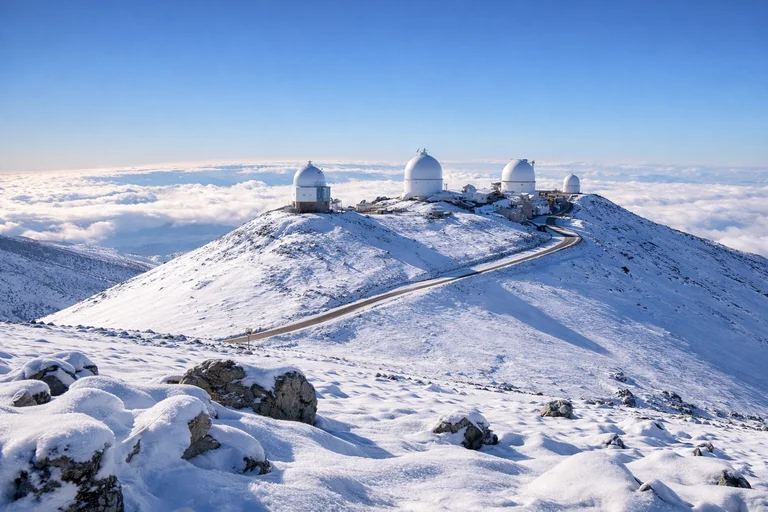
Snow In Hawaii Over 10 Inches Of Snow Blanket Mauna Kea
Hawaii is famous for its tropical beaches, sunny skies, and lush landscapes—but recently, the islands experienced something extraordinary. Snow in Hawaii isn’t a common sight, yet over 10 inches of snow have blanketed Mauna Kea, one of the tallest peaks in the Pacific. This rare event has left both locals and visitors astonished, sparking curiosity about why snow falls in a tropical paradise and what it means for the environment and local life. In this article, we’ll explore how this unusual snowfall happened, its impacts, and what makes Mauna Kea unique.
Why It Snowed So Much on Mauna Kea
Mauna Kea isn’t just any mountain—it rises more than 13,500 feet above sea level, making it one of the tallest peaks in the world when measured from its base under the Pacific Ocean. At such high elevations, temperatures regularly dip below freezing, even while the rest of Hawaii stays warm.
The main driver behind this recent snowfall was a Kona low-pressure system. This type of low‑pressure storm forms near or over the Hawaiian Islands during the cooler months (usually between October and April). It weakens the trade winds and pulls in warm, moist air from the south and southeast. As that moist air climbs the steep slopes of Hawaii’s volcanic mountains, it cools rapidly—turning rain into snow at the high summits.
This intense combination of cold air and moisture is why the summit of Mauna Kea received 8–10 inches of snow within a short period in early January 2026.
Snow in Hawaii: How Often Does It Happen?
Hawaii’s warm climate generally keeps temperatures high year-round. However, Mauna Kea rises over 13,800 feet above sea level, high enough to reach freezing temperatures. This extreme altitude creates conditions where snow can accumulate even while the islands below enjoy sunny weather.
Several factors contributed to this recent snowfall:
Contrary to popular belief, snowfall is not unusual on Hawaii’s tallest mountains. Because of their high elevation, Mauna Kea and nearby Mauna Loa experience winter snow fairly regularly, although heavy snowfall like this happens less often.
Some key points to understand about snow frequency:
-
Snow generally falls on Mauna Kea most years during the winter season, driven by strong storm systems like Kona lows.
-
Historically, snow has accumulated on Mauna Kea and Mauna Loa in various amounts, and heavier events (with several feet of snow) have occurred during particularly intense winters.
- Snow usually forms above around 11,000–12,000 feet, where temperatures remain consistently below freezing.
So, while most people never experience snow at sea level in Hawaii, snowfall in the islands’ mountains is a natural part of their unique climate.
Why Snow in Hawaii Is So Rare
Hawaii’s warm climate generally keeps temperatures high year-round. However, Mauna Kea rises over 13,800 feet above sea level, high enough to reach freezing temperatures. This extreme altitude creates conditions where snow can accumulate even while the islands below enjoy sunny weather.
Several factors contributed to this recent snowfall:
- Cold Fronts from the North Pacific: Unusually cold air masses reached Hawaii, dropping temperatures on the high mountains below freezing.
- Moisture in the Atmosphere: Strong winds carried moisture from the ocean, which condensed and froze at Mauna Kea’s summit.
- Climate Variability: Short-term weather anomalies, like this cold snap, are becoming more noticeable as global climate patterns shift.
For many residents, seeing snow on Mauna Kea is both thrilling and surreal. This event is a reminder that Hawaii’s weather, while generally predictable, can still surprise everyone.
How Much Snow Fell?
Reports confirm that over 10 inches of snow covered Mauna Kea’s summit. While this may not compare to winter storms in northern states, it’s significant for a tropical island. Snow accumulation at this altitude can last for several days, creating temporary white landscapes that attract photographers, scientists, and tourists.
Quick Facts About Mauna Kea Snowfall:
- Typical winter snowfall: 1–3 inches (rarely more)
- Recent snowfall: 10+ inches
- Duration of snow coverage: Usually 2–5 days
- Visitors: Both locals and tourists flock to view this rare spectacle.
This accumulation makes the mountain appear almost like a scene from Alaska rather than Hawaii.
Effects on the Environment and Local Life
While snow may look beautiful, it also brings several changes to the local ecosystem and daily routines:
- Road Closures: Access roads to the summit can become slippery, prompting temporary closures to ensure safety.
- Wildlife Impact: Native plants and animals not used to cold conditions may experience stress, though most are adapted to occasional temperature drops at high altitudes.
- Tourism Surge: Photographers and hikers are eager to capture this rare natural event, increasing temporary visitor numbers to the area.
- Scientific Observations: Researchers monitor these snow events to study climate patterns, soil moisture, and the effects of unusual weather on the island ecosystem.
Why Mauna Kea’s Snow Matters
Snow on Mauna Kea isn’t just a scenic curiosity—it provides important data for climate scientists. By studying snowfall frequency, depth, and duration, experts can track how global warming affects high-altitude tropical climates. Changes in snowfall patterns can indicate larger shifts in Hawaii’s weather, which could influence water resources, agriculture, and even tourism planning.
Safety Tips for Experiencing Snow in Hawaii
For anyone planning to witness this rare phenomenon, it’s essential to stay safe while enjoying the view. Here are some tips:
Check Weather Reports: Conditions can change rapidly at high altitudes.
- Dress in Layers: Temperatures can drop well below freezing at the summit.
- Drive Carefully: Roads may be icy or covered in snow.
- Respect the Environment: Mauna Kea is sacred to Native Hawaiians, so visitors should tread lightly.
These precautions ensure that everyone can safely enjoy one of the most unusual sights Hawaii has to offer.
Read more related articles: https://www.climatechallange.com/arctic-blast-grips-us-record-cold-slams-midwest-and-northeast/
FAQs
Q1: Does it really snow in Hawaii?
Ans. Yes, snow does fall in Hawaii, but only on the highest volcanic summits like Mauna Kea and Mauna Loa, where the elevation is above freezing. Lower islands and beaches never see snow because temperatures stay warm year‑round.
Q2: How often does snow occur on Hawaii’s mountains?
Ans. Snow typically happens a few times each winter season (December–April) on the tallest peaks, and occasionally light snow has been observed even outside winter due to high elevation.
Q3: How long does snow usually stay on the ground?
Ans. Most snowfall melts within a few days due to strong sun and rising temperatures, but heavy events like the recent dump can keep snow lingering longer at the summit.