
Chikungunya 2025 Global Surge, Transmission And Symptoms
Chikungunya is back in the spotlight—and in 2025, there’s been a sharp rise in cases globally. Warmer winters, climate change, and more international travel are helping fuel what’s being called the “Chikungunya 2025 Global Surge,” especially across the U.S., Europe, and Asia. This virus is spreading much faster than in past years, and outbreaks are now popping up in places that didn’t expect them. Knowing how it spreads and spotting the symptoms early could help you—and your community—stay safe.
What Is Chikungunya?
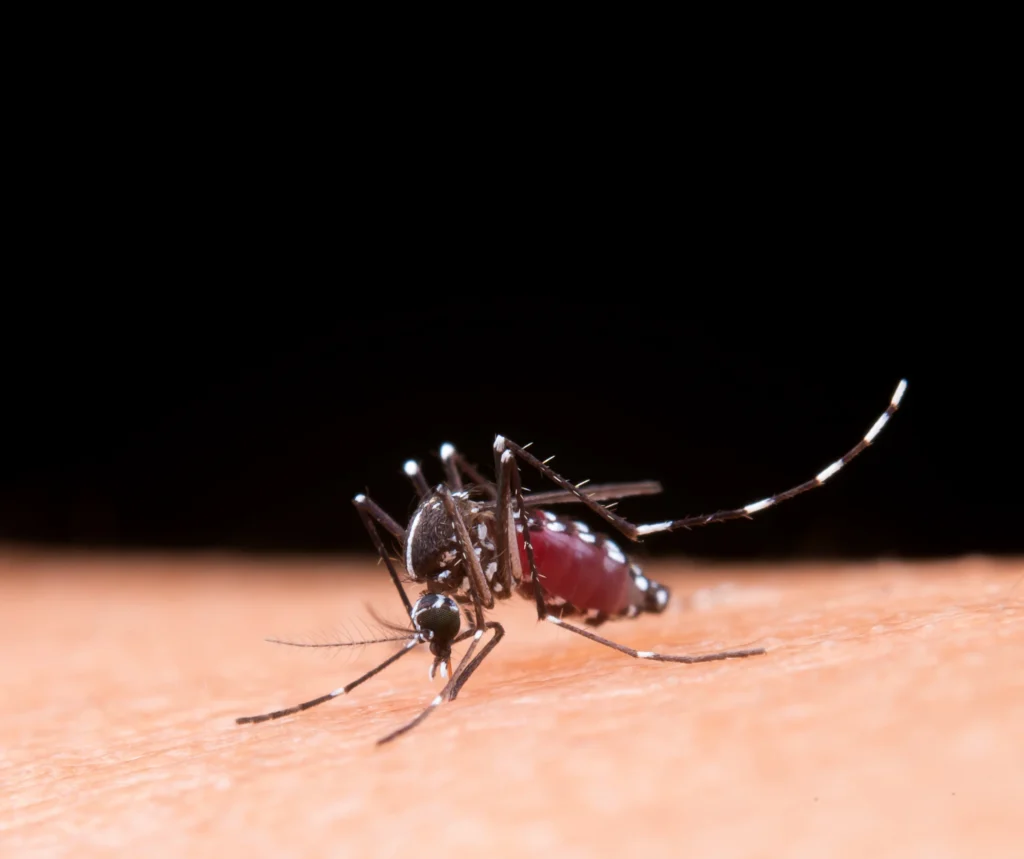
Chikungunya is a viral infection transmitted by Aedes mosquitoes—the same species that spreads dengue and Zika. The virus causes high fever and severe joint pain, which often forces people to rest for weeks. Because these mosquitoes thrive in warm and humid environments, the rising global temperature has expanded their habitat. That’s one major reason why more countries are reporting cases in 2025.
Chikungunya 2025 Global Surge: Where Cases Are Rising
This year’s outbreak isn’t just in one place. The surge is visible across the Americas, Europe, Asia, the Indian Ocean region, and even parts of the United States. Health agencies worldwide are reporting unexpected spikes.
Chikungunya is spreading across several continents in 2025, and the rise is more noticeable than in previous years. The virus is now appearing in countries that rarely experienced local transmission before. In France, the outbreak has become the most widespread in the country’s history, with 780 locally acquired cases reported by November 19, 2025. Most clusters are concentrated in the Provence-Alpes-Côte d’Azur region, where warm temperatures and dense mosquito activity are driving rapid spread.
Moreover, Italy is facing a similar challenge, reporting 385 locally acquired cases in northern areas such as Emilia-Romagna and Veneto. Italy has experienced repeated transmission events since its first temperate-zone outbreak in 2007, and 2025 continues that trend.
Additionally, Spain is on high alert. Although the main outbreaks are in France and Italy, Spain confirmed its first indigenous case in the Basque Country in July 2025 and continues to monitor the growing presence of Aedes mosquitoes. These European increases add to the larger global picture, where rising cases are also being reported throughout the Americas, Asia, the Indian Ocean region, and travel-connected hotspots in the United States.
Why Chikungunya Is Spreading Faster in 2025
Several factors are shaping the chikungunya virus in 2025. Warmer temperatures and extended mosquito seasons are allowing Aedes mosquitoes to survive longer, breed faster & migrate into regions that were previously too cold. Increased international travel is also facilitating the spread of the virus across borders, particularly from outbreak areas in the Americas and Asia. Rapid urbanization, overcrowded cities, and frequent rainfall all contribute to the multiplication of mosquitoes, making outbreaks harder to control.
Symptoms of chikungunya
The symptoms of Chikungunya typically appear within 3–7 days after being bitten by an infected mosquito. Common symptoms include:
- Fever: Patients often experience a sudden onset of high fever, typically above 102°F (38.9°C).
- Joint Pain: Severe joint pain, particularly in the wrists, ankles, and knees, is a hallmark symptom of Chikungunya. The pain can be debilitating and may last for weeks or even months.
- Muscle Pain: Patients may also experience intense muscle pain, which can accompany the joint pain.
- Headache: Headaches, ranging from mild to severe, are common among patients with Chikungunya.
- Rash: Many individuals develop a maculopapular rash, characterized by red spots or bumps on the skin. The rash often appears after the onset of a fever and may affect the trunk and limbs.
What causes Chikungunya to spread?
Transmission happens when an infected mosquito bites a person. Aedes aegypti and Aedes albopictus are primarily active during the day, which increases the chances of exposure. When a mosquito bites someone carrying the virus, it becomes infected and can spread chikungunya to the next person it bites. This cycle creates clusters of infections rapidly, especially in crowded cities or regions with stagnant water.
Who Faces the Highest Risk?
People who spend time outdoors during the day face a higher risk because Aedes mosquitoes bite mostly in daylight. Travelers going to outbreak areas, city residents in warm regions, and anyone living near standing water are also more vulnerable. Older adults, pregnant people, and those with chronic health conditions may experience stronger or longer-lasting symptoms.
How to Protect Yourself in 2025
Staying safe from chikungunya in 2025 means taking consistent precautions, especially if you live in or travel to areas where the virus is spreading. Aedes mosquitoes are active during the day, so people often get bitten without noticing. Simple daily habits—like using repellents, removing standing water, and keeping your home mosquito-free—can greatly reduce your risk. Health authorities in the U.S., Europe, and Asia are also advising travelers to stay alert because imported cases can spark local outbreaks in warmer regions.
Key protections against Chikungunya include:
- Use a strong mosquito repellent with DEET, picaridin, IR3535, or oil of lemon eucalyptus during the day.
- Wear long sleeves and light-colored clothing, especially if you’re in a region reporting new cases.
- Keep windows screened and use fans or air conditioning to reduce mosquito activity inside the home.
- Remove standing water around the house—plant saucers, buckets, clogged drains, and any small container can become a breeding site.
- Stay updated on local alerts if you’re visiting countries such as France, Italy, Spain, India, or Brazil.
These steps don’t just protect individuals—they also help slow the spread of the virus. In 2025, public health authorities stress that community involvement is essential. When households remove mosquito breeding spots and travelers follow prevention guidelines, it becomes much harder for Aedes mosquitoes to multiply and start new outbreaks.
Is There a Chikungunya Vaccine?
Several Chikungunya vaccines are available, but access is still limited. Some countries have approved them, while others are still reviewing safety and distribution plans. Due to supplied restrictions, prevention remains the most effective way to stay safe. Researchers are working to expand the global vaccine supply, with further progress expected in the coming years.
The Chikungunya 2025 Global Surge shows how quickly mosquito-borne diseases can adapt and spread in a changing world. From Europe’s largest outbreaks so far to rising case numbers across the Americas and Asia, the virus is reaching more places than ever. Climate change is helping mosquitoes expand, and international travel is speeding up transmission, making awareness and prevention essential. By spotting symptoms early, protecting yourself from mosquito bites, and staying informed about outbreak areas, you can lower your risk and help slow the virus’s spread in the months ahead.
Read More related articles> https://www.climatechallange.com/pollen-overload-the-climate-connection-behind-worse-allergy-seasons/
FAQS
Q1. Why are chikungunya cases rising so quickly in 2025?
Ans. Chikungunya cases are rising quickly in 2025 because warmer temperatures and longer mosquito seasons allow Aedes mosquitoes to survive longer and breed faster. Increased international travel carries the virus across borders, while rapid urbanization and frequent rainfall create more breeding spots. Together, these factors make it easier for the virus to spread and reach new regions.
Q2. Are there any home remedies for relieving the symptoms of chikungunya?
Ans. Home care can complement medical treatment. Applying cold or warm compresses on painful joints, resting adequately, and staying hydrated help reduce discomfort. Gentle stretching may also prevent stiffness during recovery.
Q3. Is chikungunya spreading in Europe?
Ans. Chikungunya is spreading in Europe, with France, Italy, and Spain reporting significant activity in 2025. Spain even confirmed locally acquired cases for the first time in years. These outbreaks highlight how the virus is reaching regions that were previously less affected.
Q4. How long does it take to recover from chikungunya?
Ans. Most people recover within 7–14 days, but joint pain and fatigue can last longer, sometimes for several months. Recovery time varies depending on age, overall health, and severity of the infection.