
5 Major Climate Challenges And Their Solutions In 2026
The world is no longer debating whether climate change is real. The conversation in 2026 has shifted toward urgency, adaptation, and survival. From record breaking heatwaves to rising seas and food insecurity, the 5 major climate challenges shaping our future are becoming more complex and interconnected.
What makes this moment different is scale. Climate impacts are no longer isolated disasters; they are systemic risks affecting health, economies, infrastructure, and global stability. Governments are investing in clean energy, climate adaptation, and carbon reduction, yet progress still struggles to match the speed of environmental change.
In this article, we will explore the 5 major climate challenges in 2026 and their practical solutions, not theoretical ideas, but realistic actions supported by science and policy developments.
5 Major Climate Challenges Facing the World in 2026
1. Extreme Heat and Rising Global Temperatures

One of the most visible impacts of climate change is extreme heat. Global warming’s average temperatures continue to rise due to greenhouse gas emissions from fossil fuels, deforestation, and industrial activity.
According to the Intergovernmental Panel on Climate Change (IPCC), limiting warming to 1.5°C requires rapid and deep emission cuts across all sectors. The IPCC emphasizes that without immediate action, extreme heat events will become more frequent and intense, directly affecting human health, agriculture, and energy systems.
Why This Is a Major Challenge in 2026
- Urban areas are experiencing record heatwaves.
- Wildfires are increasing in scale and intensity.
- Heat-related illnesses are rising globally.
Solutions
The solution lies in both mitigation and adaptation:
- Rapid transition to renewable energy (solar, wind, hydro).
- Phasing out coal based power plants.
- Expanding urban green spaces to reduce heat islands.
- Strengthening early warning systems for extreme weather.
Governments in multiple regions are accelerating clean energy investments, but implementation speed remains critical.
2. Sea Level Rise and Coastal Flooding
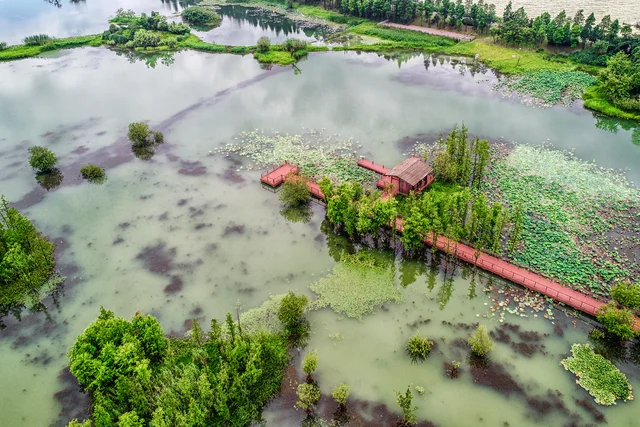
Melting glaciers and thermal expansion of seawater are pushing sea levels higher each year. Coastal cities face increasing flood risks, infrastructure damage, and displacement.
Sea level rise is not a future issue; it is happening now. Communities in low-lying areas are already experiencing more frequent tidal flooding.
Why It Matters
- Threatens millions living in coastal regions.
- Damages transportation and housing infrastructure.
- Increases economic losses from storm surges.
Solutions
- Investment in coastal defenses and seawalls.
- Restoration of mangroves and wetlands for natural protection.
- Climate-resilient urban planning.
- Reducing carbon emissions to slow long-term sea level rise.
Adaptation strategies must move from planning to execution if we are to reduce displacement and economic instability.
3. Water Scarcity and Drought

Water security is becoming one of the 5 major climate challenges affecting global stability. Changing rainfall patterns and prolonged droughts are impacting agriculture, drinking water supplies, and energy production.
Regions dependent on snowmelt and seasonal rainfall are seeing unpredictable water availability. This directly affects food systems and economic productivity.
Climate Impact in 2026
- Agricultural yield decline in drought-prone regions.
- Increased food prices due to crop failure.
- Conflict risk in water-stressed areas
Solutions
- Smart irrigation systems reduce water waste and improve crop efficiency.
- Wastewater recycling allows treated water to be safely reused for agriculture and industry.
- Groundwater regulation prevents over extraction and protects long-term water supplies.
- Watershed and forest restoration improve natural water storage and stabilize rainfall patterns.
- Renewable powered desalination provides an alternative freshwater source for coastal regions.
4. Biodiversity Loss and Ecosystem Collapse

Climate change accelerates biodiversity loss, which is also a major climate challenges in 2026. Rising temperatures, habitat destruction, and pollution are pushing species toward extinction at alarming rates.
Ecosystems such as coral reefs and tropical forests are especially vulnerable. When biodiversity declines, ecosystems lose resilience, affecting food chains, carbon storage, and natural disaster protection.
Why This Is Important
- Reduced pollination threatens food production, as many crops rely on bees and other pollinators.
- Forest loss lowers carbon absorption, worsening global warming and climate instability.
- Ecosystem imbalance increases the risk of diseases spreading among humans and wildlife.
Solutions
- Expanding protected natural areas safeguards habitats, giving plants and animals space to thrive.
- Ending illegal logging and deforestation preserves forests that absorb carbon and maintain ecosystem balance.
- Investing in reforestation and ecosystem restoration restores damaged landscapes and supports wildlife populations.
- Supporting sustainable agriculture practices reduces habitat loss and prevents harmful environmental impacts.
- Protecting biodiversity keeps ecosystems resilient, improves pollination, and reduces risks of disease outbreaks.
5. Climate Related Health and Economic Risks

The final entry in the 5 major climate challenges list is human-centered: health and economic instability. Climate change affects respiratory health, mental well-being, and disease patterns. Heatwaves increase hospital admissions, while floods spread waterborne diseases.
Economic losses from extreme weather events are rising annually, affecting insurance systems and national budgets.
2026 Major Climate Challenges Trends
Increased climate migration is forcing millions to relocate due to floods, droughts, and extreme weather, putting pressure on housing and social services.
Higher disaster recovery costs are straining national budgets, as rebuilding after storms, fires, and floods becomes more frequent and expensive.
Strain on healthcare infrastructure is growing because heatwaves, disease outbreaks, and climate-related injuries increase hospital admissions and public health demands.
Solutions
Strengthening climate-resilient healthcare systems ensures hospitals and clinics can handle surges in patients during extreme weather events.
Expanding disaster risk financing provides governments with funds to quickly respond to climate emergencies and reduce economic losses.
Early warning systems for vulnerable populations help communities prepare for storms, floods, and heatwaves, reducing health and safety risks.
Green economic recovery plans integrate sustainability into rebuilding efforts, supporting both the environment and long-term financial stability.
Proactive climate policy connects public health and economic planning, ensuring societies are prepared for the direct and indirect impacts of climate change.
The 5 major climate challenges in 2026, extreme heat, sea level rise, water scarcity, biodiversity loss, and climate-related health risks, are interconnected. Solving them requires integrated solutions, not isolated actions
The good news is that technology, policy innovation, and global awareness are stronger than ever. Renewable energy is scaling rapidly, climate adaptation strategies are improving, and international cooperation is growing.
But time remains the deciding factor. The faster emissions decline and resilience investments increase, the greater our chance to protect communities and ecosystems.
Addressing the 5 major climate challenges today is not just about protecting the environment, it is about securing economic stability, public health, and a livable future for the next generation.
Read more related articles: https://www.climatechallange.com/types-of-pollution-causes-effects-and-urgent-climate-solutions/
FAQs
Q1. Why is extreme heat becoming more dangerous?
Ans. Rising greenhouse gas emissions increase global temperatures, leading to longer and more intense heatwaves. This impacts public health, agriculture, and infrastructure.
Q2. How can countries reduce climate risks effectively?
Ans. Countries can reduce risks by investing in renewable energy, improving urban planning, protecting ecosystems, and strengthening healthcare systems. Integrated policies are essential.