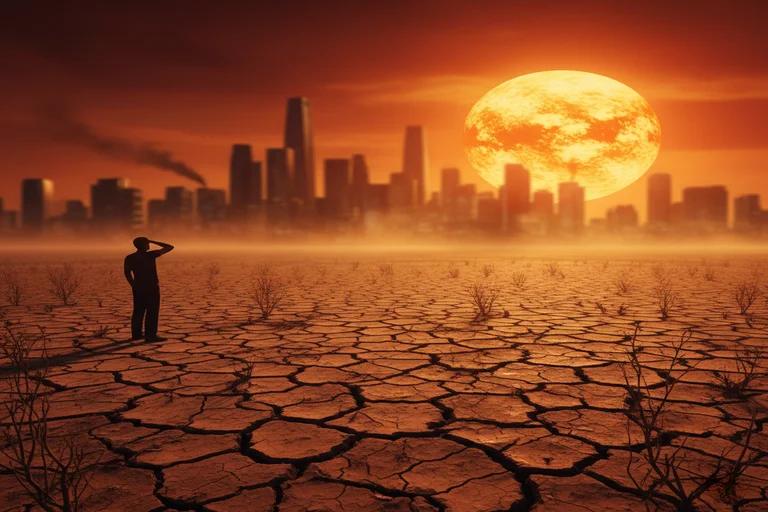
Global Warming And Human Health: A Risks And Survival Guide
The relationship between global warming and human health has shifted from a distant scientific prediction to a daily reality. We often talk about the planet’s temperature, but we rarely discuss the biological toll it takes on us. As carbon emissions trap heat in our atmosphere, the human body is being forced to adapt to conditions it wasn’t designed to handle.
In this guide, we will explore how the rising mercury affects our health, our minds, and our future, and what steps you can take to survive this shifting climate.
The Direct Link: Global Warming and Human Health
At our core, humans are thermal machines. We operate best at a very narrow internal temperature. When we discuss global warming and human biology, we are talking about the struggle to maintain that 98.6°F (37°C) balance.
The Mechanism of Heat Stress
When the ambient temperature rises, your heart pumps faster to move blood toward your skin, where heat can escape through sweat. However, when humidity is high or temperatures exceed 40°C, this cooling mechanism fails. This leads to heat exhaustion and, in severe cases, heatstroke. For the modern human-induced climate change era, these heatwaves are becoming longer and more frequent. We aren’t just looking at uncomfortably hot days; we are looking at a fundamental threat to our cardiovascular systems.
Extreme Heat: The Fastest Growing Threat
Heat is currently the leading cause of weather-related deaths worldwide. Health data shows that approximately 489,000 heat-related deaths occur each year, with Asia accounting for nearly half of them. Older adults are particularly vulnerable. Heat-related mortality among people over 65 has increased dramatically in recent decades, reflecting how rising temperatures push the human body beyond safe limits.
According to the WHO report, global assessments reveal another alarming trend: heat-related deaths have risen by about 23% since the 1990s, averaging more than 546,000 deaths annually.Heat stress doesn’t just cause dehydration or heatstroke; it worsens cardiovascular disease, diabetes, respiratory conditions, and even mental health disorders.
As warming intensifies, extreme heat is expected to become one of the defining health challenges of this century.
Why Global Warming and Human Health are Growing Crises
The impact of a warming planet goes far beyond just feeling “too hot.” It triggers a domino effect across various bodily systems.
Cardiovascular and Respiratory Strain
Extreme heat makes the heart work twice as hard. For those with underlying conditions, this is a silent killer. Furthermore, rising global temperatures worsen air quality. Ground-level ozone, the main component of smog increases with heat, leading to higher rates of asthma and chronic obstructive pulmonary disease (COPD).
Kidney Function and Dehydration
One of the most overlooked aspects of global warming and human health is kidney health. Chronic dehydration from extreme heat causes Heat Stress Nephropathy. In many parts of the world, we are already seeing a rise in kidney stones and chronic kidney disease among outdoor workers who cannot escape the sun.
The Psychological Impact: Heat and the Human Mind
Climate change isn’t just a physical battle; it’s a mental one. Emerging research shows a direct correlation between high temperatures and increased rates of anxiety, depression, and even workplace aggression.
When we examine the connection between global warming and human psychology, we see that extreme heat disrupts sleep patterns and increases cortisol (the stress hormone). A warming planet is, quite literally, a more stressed planet.
How Diseases Evolve & Pose New Human Health Risks in a Warming World
As the climate shifts, so do the habitats of insects and animals that carry diseases. This is a critical pillar of the environmental health impact of our era.
- Vector-borne Diseases: Mosquitoes carrying Malaria,Dengue, and Zika are moving into previously cooler regions.
- Water-borne Pathogens: Warmer water allows bacteria like Vibrio to thrive, increasing the risk of infections from seafood and recreational swimming.
The synergy between global warming and human vulnerability means that our healthcare systems must prepare for outbreaks that were once considered tropical.
The Economic and Social Survival Cost
Our health is deeply linked to our ability to work, eat, and sustain daily life. Humanity’s growing ecological footprint has pushed food systems to the brink, putting food security and nutrition at risk.
Heatwaves and extreme weather destroy crops and livestock, causing malnutrition and driving up food prices while lowering the nutritional quality of what’s available. As environments become uninhabitable, more people are forced to migrate, creating climate refugees and triggering social displacement, overcrowding, and the health crises that often follow mass migrations. This highlights how global warming directly impacts human health and survival on both economic and social levels.
How Can Humans Survive During Global Warming? (An Essential Guide)
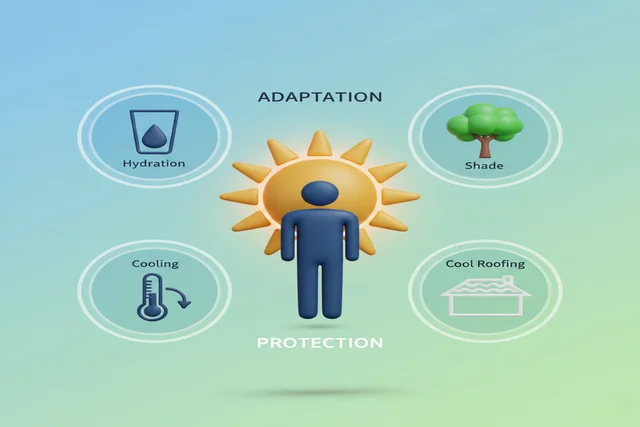
Surviving global warming and its impact on human health requires much more than simply staying indoors. As climate change continues to intensify, rising temperatures, extreme weather events, air pollution, and the spread of infectious diseases are putting millions of lives at risk.
According to the latest reports from the Lancet Countdown on Health and Climate Change, heat-related deaths are rising because people underestimate “wet-bulb temperatures,” a state where the air is so humid that sweat no longer cools the body. This condition happens when extreme heat and high humidity combine, stopping sweat from evaporating and preventing the body from cooling itself. As a result, the body overheats quickly, increasing the risk of serious heat-related illnesses like heatstroke and dehydration. When this happens, the risk of heatstroke, dehydration, and cardiovascular stress increases dramatically, turning extreme heatwaves into life-threatening events.
Here is a modern, science-backed survival framework designed for the era of climate change:
1. Master the Art of Micro-Cooling to Beat Heatwaves
While air conditioning is a luxury, it isn’t always sustainable. The most effective human adaptation is targeting your body’s pulse points.
- The Science: Applying cold water or ice packs to your wrists, neck, and temples can lower your body temperature more effectively than a fan. This directly reduces the effects of climate change on human health by preventing core overheating.
2. Adaptive Hydration (Beyond Just Water)
Drinking water isn’t enough; you need electrolytes. When you sweat, you lose salt and minerals.
- The Strategy: During extreme heat, plain water can sometimes dilute your natural electrolytes, leading to hyponatremia. The survival guide secret is pre-hydration. Drink coconut water or water with a pinch of sea salt before you head out into the heat to maintain cellular balance.
3. Smart Urban Living: Cool Habitats for Climate Change Survival
To survive global warming and its growing health risks, we must fundamentally change the way we interact with our environment and adopt climate-friendly lifestyle easy daily habits.
- Home Hacks: Install cool roofing by painting your roof white or using reflective tiles, which can lower indoor temperatures by up to 30% and reduce heat-related health risks during extreme heatwaves.
- Strategic Greenery: Plant broad-leafed trees on the west side of your home. They act as natural heat shields, filtering the most intense UV rays before they hit your walls.
4. Recognizing “Silent” Signs of Heat Stress
Most people wait for a headache to seek shade, but by then, the damage has started.
- The Red Flag: If your heart rate rises while resting or you feel sudden irritability, these are early warning signs of how global warming affects human health internally. Stop all activity immediately and focus on cooling your body’s core to prevent heat-related illnesses.
A Call to Action
The data is clear: global warming and human survival are now inextricably linked. We can no longer view this as an outside problem; the effects of climate change on human health are already inside our lungs, our hearts, and our cells.
By understanding how global warming affects human health and following a structured survival guide, we can mitigate the damage. However, addressing the causes and effects of climate change is the only permanent solution. The ultimate cure for this global warming and its health impact is a healthy planet. Visit ClimateChallenge.com to learn how to reduce your ecological footprint and join the movement for a cooler, safer world.
Read more related articles: https://www.climatechallange.com/types-of-pollution-causes-effects-and-urgent-climate-solutions/
FAQS
Q1. What are the main health risks of extreme heat?
Ans. The primary risks include heat exhaustion, heatstroke, severe dehydration, and increased strain on the heart and kidneys as the body struggles to maintain its internal temperature.
Q2. Can humans survive in 50 degrees Celsius?
Ans. While humans can survive short periods at 50°C with high hydration, prolonged exposure is dangerous. Our natural cooling system (sweat) becomes ineffective if the humidity is also high.
Q3. How can I protect myself from rising global temperatures?
Ans. Stay hydrated with electrolytes, avoid outdoor activities during peak sun hours (11 AM – 4 PM), wear breathable clothing, and create green spaces around your home to lower local heat.