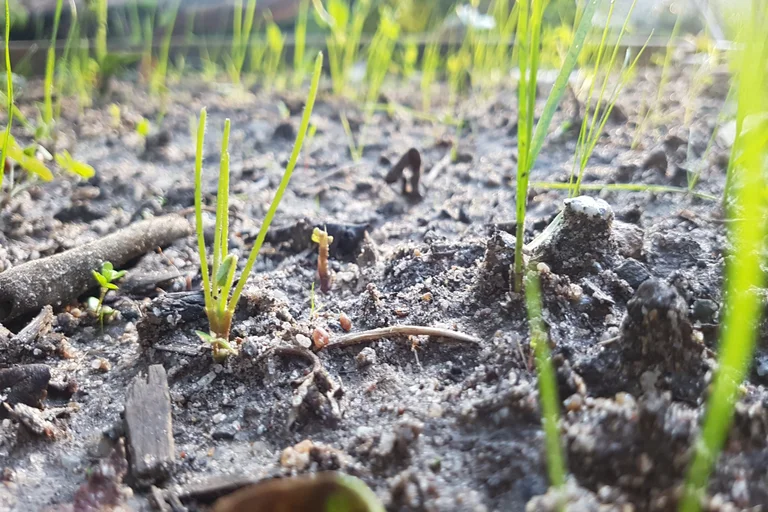
How Microclimates Are Quietly Changes Agriculture
When it comes to agriculture, most people think of large weather patterns. such as rain, sunshine, or drought. But what if we told you that small, local climate change has a major impact on how food is grown? These are called microclimates, and they quietly change future agriculture. At ClimateChallenge, we explore how small-scale climate shifts are making a big impact on farming.
What Is a Microclimate?
Microclimates refer to small, localized variations in climate that exist within a larger area. These unique zones can arise from various environmental factors, creating different conditions even within a single agricultural field. Temperature can vary remarkably from one location to another due to changes in elevation, proximity to water bodies, and vegetation density. For instance, a field may have areas that are significantly warmer due to exposure to sunlight, while shaded locations may remain cooler.
Why Microclimates in Agriculture Matter:
Microclimates in agriculture have the power to determine which crops thrive in a given location. Farmers are becoming more adept at closely examining their property, focusing on areas that are windier, wetter, cooler, or warmer. They can produce healthier plants and better harvests by growing the appropriate crops in the appropriate microclimates. Additionally, less water and pesticides are used, which benefits the environment.
How Microclimates Help Farmers:
Warm spots are preferred by bees since they mean more food!
According to a study conducted in blueberry fields in Maine, bees, both honeybees and wild bees, favor warmer areas with more blossoms. These locations varied by up to 20°F within the same field.
.More flowers = More bees = More berries
.In order to attract pollinators, farmers may now map these hotspots and put additional flowers there.
2. Smarter Water Use:
Wet areas: Plant crops that require water, such as celery.
Dry ridges: Perfect for herbs like rosemary that can withstand drought.
Reduces irrigation waste: This saves up to 30% of water and reduces irrigation waste.
Responding to Climate Change with Microclimates:
Since global climate change brings unexpected weather, microclimates allow peasants give a way to stay flexible. If an area of a farm becomes very dry or hot, the other area nearby may still be suitable for crops. Some farmers also plant trees or use fences to make their own microclimate to provide shelter against air or shade under the heat.
Technology Meets Nature:
Farmers now have a better understanding of microclimates because to new tools like satellite mapping and weather sensors. They are now able to monitor the moisture and temperature in various areas of a field. They use this information to help them decide when to plant, water, and harvest. It combines contemporary technology with traditional observation.
The Future of Smart Farming:
Microclimates in agriculture remind us that small changes can lead to big results, helping farmers adapt to climate change and grow food more sustainably.
Microclimates prove that small changes make big impacts. By paying attention to these hidden weather patterns, Farmers are growing more food with fewer resources by observing these hidden weather patterns, and that’s a quiet revolution worth applauding.
FAQs
Q1. What causes a microclimate to form?
Ans. Microclimates are caused by factors such as terrain, vegetation, elevation, and proximity to bodies of water that influence temperature, humidity, and sunlight in small areas.
Q2. How do microclimates benefit farmers?
Ans. They help farmers identify the best areas for certain crops, manage water use efficiently, and reduce pesticide reliance, leading to healthier and more sustainable yields.
Q3. What role does technology play in managing microclimates?
Ans. Advanced sensors and mapping tools enable farmers to monitor microclimate data in real time, allowing them to make more informed decisions about planting, irrigation, and harvesting.
Q4. Are microclimates important for organic farming?
Ans. Yes, microclimates play a key role in organic farming because they allow farmers to grow crops naturally suited to their environment. This reduces the need for synthetic fertilizers and pesticides, promoting healthier soil and crops.
For more related Articles, visit our website: https://www.climatechallange.com/the-role-of-insect-waste-in-the-future-of-agriculture/