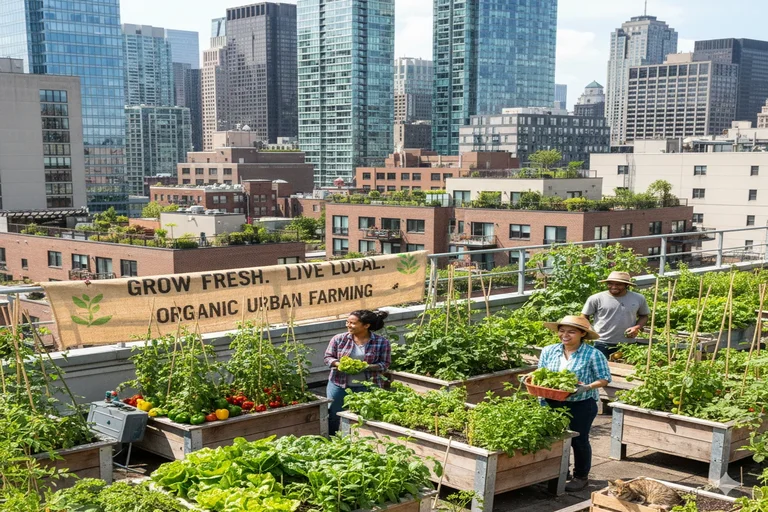
Organic Urban Farming Grow Fresh Food In Small City Spaces
Urban life often makes it difficult to access fresh, chemical-free produce. Organic urban farming provides city residents with a way to cultivate their own vegetables, fruits, and herbs in small spaces, from balconies to rooftops. With rising food costs and environmental concerns, this trend is becoming more than just a hobby, it’s a lifestyle choice.
When you practice organic urban farming, you not only enjoy healthier, fresher food but also help create a greener, more sustainable city. This guide will walk you through practical tips, popular methods, and the key benefits of growing your own organic produce even in small urban spaces.
Why Organic Urban Farming Is Trending in 2026
Several factors contribute to the growing popularity of urban farming. First, consumers are increasingly concerned about chemical residues in supermarket produce. Growing vegetables and herbs at home ensures that the food is fresh, safe, and free from harmful chemicals. Second, home farming can be cost-effective. A small balcony or rooftop can yield enough herbs, leafy greens, and small vegetables to save money on grocery bills.
Moreover, organic urban agriculture supports sustainable living. It reduces food miles, lowers carbon emissions, and encourages recycling of kitchen waste through composting. Urban plants also improve air quality, reduce heat in dense city areas, and provide green spaces that enhance the overall urban environment. For many residents, farming in small spaces has become both a lifestyle choice and a way to promote environmental awareness in the community.
What Is Organic Urban Farming?
Organic urban farming is the practice of cultivating plants in city environments using natural, eco-friendly methods. Unlike traditional farming, it avoids the use of chemical fertilizers, pesticides, & herbicides, relying instead on compost, natural soil enhancers, and biological pest control. The goal is to grow food that’s safe, nutritious, and fresh while making the best use of limited urban spaces.
With more people becoming health-conscious and environmentally aware, organic urban farming is gaining popularity. It offers a sustainable way to reduce dependence on packaged and processed foods, giving urban residents control over their food choices. Additionally, it encourages mindfulness, reduces food waste, and helps reconnect people with nature even in concrete-heavy environments.
Benefits of Organic Urban Agriculture
Urban farming provides many benefits, as follows:
- Better Health: Fresh, chemical-free vegetables improve nutrition and immunity.
- Lower Cost: Homegrown produce reduces grocery bills.
- Mental Wellness: Gardening is a proven therapeutic activity that reduces stress, enhances focus, and provides a peaceful retreat from city noise.
- Climate Action: Urban gardens mitigate the Urban Heat Island effect, manage stormwater runoff, and lower carbon footprints by reducing food miles.
- Community Engagement: Shared gardens strengthen social bonds in neighborhoods.
- Biodiversity Support: Small-scale organic plots create vital habitats for pollinators like bees and butterflies, strengthening local ecosystems.
How to Start Organic Urban Farming in a Small Space (2026 Guide)
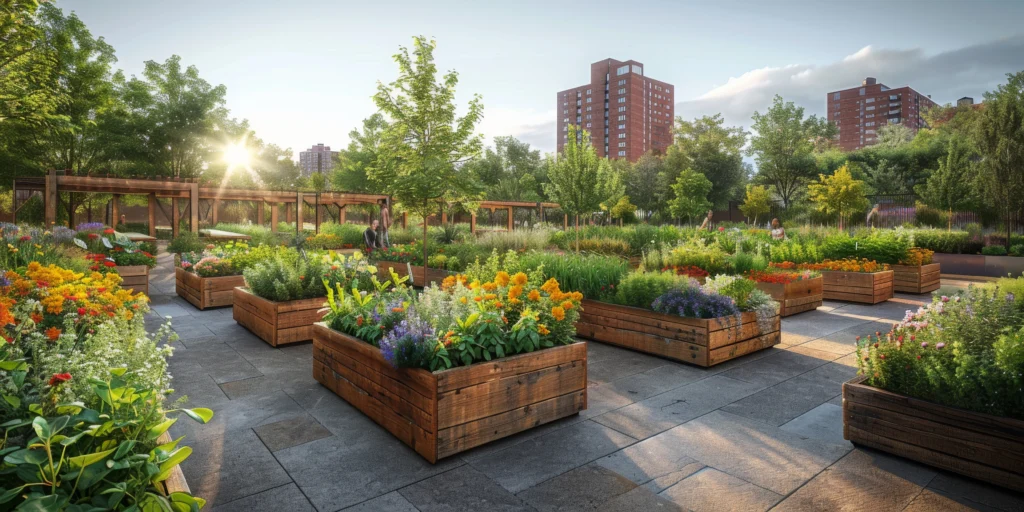
Starting organic urban farming in a small city space is both practical and rewarding. It means turning any available area a balcony, rooftop, window ledge, or even a corner inside your apartment into a mini garden where you grow vegetables, herbs, and greens without synthetic chemicals. This method focuses on using natural compost, organic potting soil, and eco-friendly pest control to cultivate healthy, chemical free food within your limited space.
Step by Step Guide + Realistic Cost Estimates
Step 1. Identify Your Growing Zone (Sunlight)
Evaluate your space carefully. Most edible organic plants need at least 4–6 hours of direct sunlight. However, sunlight isn’t the only factor; understanding your local climate is crucial for long-term success. Before planting, it is highly recommended to check the USDA Plant Hardiness Zone Map to see which plants are best suited for your specific region’s temperature.
- Pro Tip: If you have low light, focus on leafy greens like spinach or kale. For sunny spots, go for tomatoes and peppers.
Step 2. Choose the Best Containers & Organic Soil
Don’t just use regular mud. For a successful urban balcony garden, you need a lightweight, nutrient-rich mix.
- The Mix: Use a blend of organic compost, cocopeat, and vermicompost.
- Containers: Use breathable fabric pots or recycled plastic containers with proper drainage holes.
Step 3. Setup Costs (Budget-Friendly Estimates)
Urban farming doesn’t have to be expensive. Here is a realistic breakdown for a basic 4-6 pot setup
- Organic Potting Mix & Compost: $30–$50 (essential for chemical-free growth).
- Durable Planters/Pots: $5–$15 per piece (look for UV-treated plastic pots for longevity).
- Basic Gardening Tool Kit: $15–$25 (includes a trowel, hand fork, and gloves).
- Total Initial Investment: Roughly $60–$130 (depending on local prices).
Step 4. Select Beginner-Friendly Organic Seeds
Start with fast-growing vegetables to build confidence. We recommend:
- Herbs: Basil, Mint, Coriander.
- Greens: Lettuce, Spinach, and Fenugreek.
Vegetables: Cherry tomatoes, chilies, and radishes.
Search Tip: Always look for Non-GMO Organic Seeds for the best results.
Step 5. Natural Pest Control & Fertilizing
Avoid synthetic chemicals at all costs.
- Pest Control: Use Neem Oil spray or a homemade garlic-soap solution to keep aphids away.
- Feeding: Use kitchen waste composting or organic seaweed liquid fertilizer once a month.
Step 6. Smart Watering (Irrigation)
Consistency is key. For small setups, a simple manual watering can works best. For larger balconies, consider a DIY Drip Irrigation Kit (cost: $20–$40) to save water and time.
Top 7 Methods for Organic Urban Farming in 2026
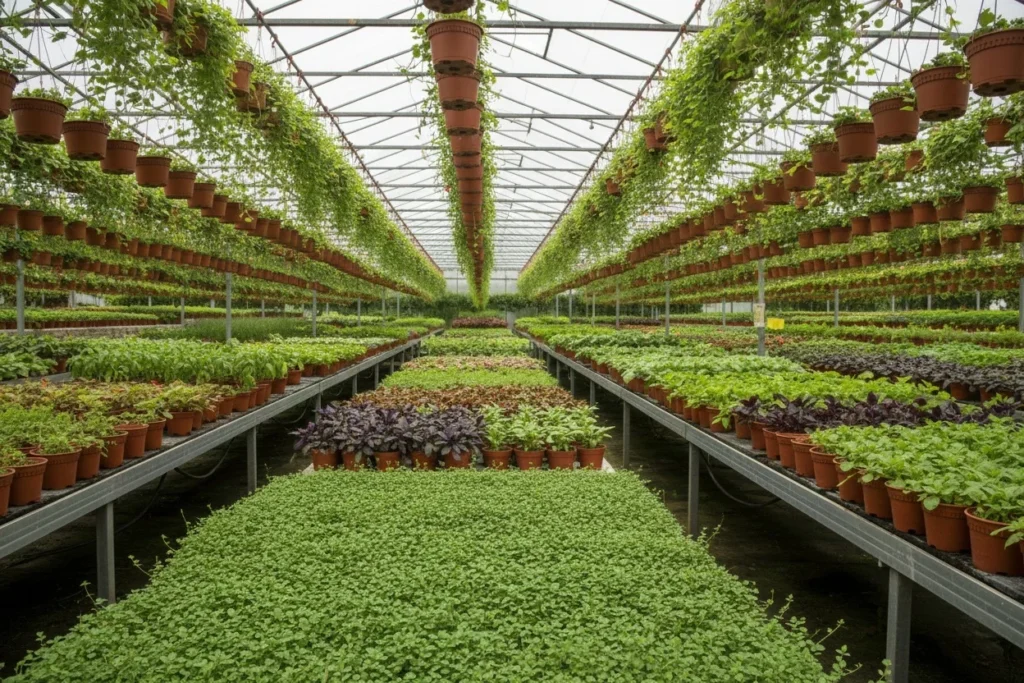
Not all urban farms look the same. Depending on your space, budget, and goals, you can choose from several eco friendly urban gardening methods. These techniques are designed to reduce waste and maximize yield in limited environments.
1. Container Gardening
This is the most accessible way to start small space vegetable gardening. By using pots, crates, or recycled planters on your windowsill, you can grow organic tomatoes, chilies, and leafy greens. It allows you to move plants easily to catch the best sunlight.
2. Vertical Farming
When horizontal space is limited, vertical farming system can make a big difference. Using shelves, stacked planters, or wall-mounted systems, you can grow a surprisingly large number of plants in a small area. Vertical setups work especially well in small apartments, where the only space left is upward.
3. Rooftop Gardens
If you have a terrace or rooftop garden, you can turn it into a micro farm. The open space provides your plants with good sunlight and airflow, allowing you to grow not just herbs but also vegetables and even small fruit plants.
4. Community Organic Gardens
This approach involves shared land where neighbors plant together. Urban community gardening is a great way to grow food collectively. It allows neighbors to pool resources like organic compost and tools while strengthening social bonds.
5. Hydroponic Farming & Soil-Free Systems
Indoor hydroponic farming uses nutrient-rich water instead of soil. This method is incredibly water efficient and perfect for growing herbs and microgreens year-round inside your kitchen or living room without the mess of soil. If you are interested in setting up your own system, check out our detailed guide on How To Start A Hydroponic Garden At Home A Beginner’s Guide to learn everything from choosing equipment to maintaining your plants.
6. Aquaponics
A more advanced but highly sustainable model where fish and plants grow together. The fish waste provides natural organic fertilizer for the plants, while the plants clean the water for the fish. It’s a perfect closed-loop ecosystem for urban dwellers.
7. Building-Integrated Agriculture (BIA)
Some modern buildings are being designed with integrated farming systems, such as greenhouses or vertical farms built into the architecture. This smart design uses graywater recycling and integrated lighting to make urban food production seamless.
Sustainable Practices in Organic Urban Farming
Organic urban farming emphasizes the cultivation of food, it’s about resource conservation. Simple practices such as composting kitchen waste, collecting rainwater, and using eco-friendly pots can help reduce waste. Companion planting and crop rotation naturally prevent pests without the use of chemicals. These steps help city gardeners produce healthy food while supporting cleaner air and greener urban spaces.
- Kitchen Waste Composting: Don’t throw away veggie peels! Use a small indoor compost bin to turn kitchen scraps into “Black Gold” for your plants. This is the ultimate zero-waste gardening technique.
- Rainwater Harvesting: Place small buckets on your balcony to collect rainwater. It’s free of chlorine and much better for organic soil health than tap water.
- Companion Planting: Grow basil next to tomatoes to naturally repel pests. This reduces the need for even organic pesticides.
- Eco-Friendly Materials: Use biodegradable pots or upcycle old plastic bottles into planters to reduce your plastic footprint in the city.
Common Mistakes to Avoid in Organic Urban Farming
Starting organic urban farming is simple, but a few common errors can limit your success. Avoid these mistakes to keep your urban garden healthy and productive.
- Overcrowding plants: Too many plants compete for sunlight and nutrients. Give them space to grow properly.
- Ignoring sunlight: Most edible crops need 5–6 hours of light. Always check the exposure before setting up your city garden.
- Poor-quality soil: Rich, compost-based soil is the backbone of successful organic gardening.
- Overwatering: Soggy soil damages roots. Keep moisture balanced for better small-space gardening results.
- Wrong plant choices: Pick climate-suitable crops to build a stronger, sustainable garden.
Avoid these early mistakes, and even a small space can turn into a reliable source of fresh food.
Start Your Urban Green Journey Today
Small space organic urban farming is a powerful tool for city dwellers to regain control over their food. Whether you have a massive rooftop or just a tiny window ledge, you can grow fresh, chemical-free produce with minimal investment.
This approach strengthens your connection with nature, promotes a healthier lifestyle, and helps create a greener, more sustainable urban environment. By starting small, caring for your plants, and composting your waste, you contribute not just to your own well-being but also to the well-being of your city.
So why not begin today? Grab a pot or two, mix your soil, sow some seeds, and watch your small city space transform into a thriving urban organic farm.
Read More related articles> https://www.climatechallange.com/urban-farming-a-growing-trend-in-malmo-and-beyond/
FAQs
Q1. What are the 4 principles of organic farming?
Ans. The four pillars are Health, Ecology, Fairness, and Care. In an urban setting, this means growing food that sustains the soil’s health and provides safe nutrition without harming the city’s ecosystem.
Q2. What are the best vegetables to grow in small city apartments?
Ans. If you have limited space, focus on high-yield, small-footprint plants like cherry tomatoes, chilies, spinach, kale, and herbs like mint and basil. These grow perfectly in balcony container gardens.
Q3. How much space do I need for an urban garden?
Ans. You can begin with just 2–3 square feet on a balcony or windowsill. Even a small container garden or vertical setup can produce fresh vegetables and herbs, making it perfect for city apartments with limited space.
Q4. Is urban farming cost-effective in the long run?
Ans. Yes! While the initial setup for organic urban farming (pots, soil, seeds) might cost between $60–$130, the long-term savings on organic grocery bills and the health benefits of eating pesticide-free food make it a great investment.