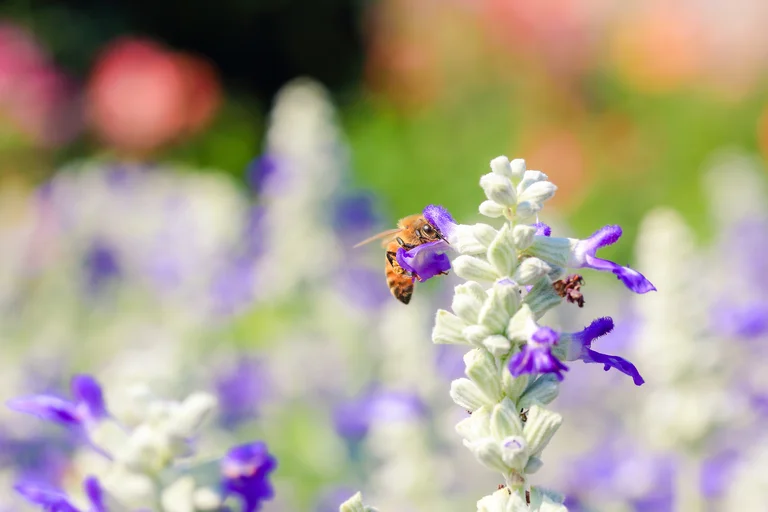
Pollinator Friendly Garden 10 Native Plants For Bees And Butterflies
A pollinator friendly garden is a sustainable landscape designed to provide essential nectar, pollen, and habitat for bees, butterflies, and birds. By integrating native plants and climate resilient techniques, homeowners can support biodiversity while building a garden that thrives despite extreme weather shifts in 2026.
In 2026, the global gardening trend is moving beyond purely aesthetic designs and focusing on real, practical impact. Climate change is no longer just a headline, it’s something we can see and feel in our own backyards. As temperatures shift, flowering seasons and pollinator activity are falling out of sync. That’s why creating a pollinator-friendly garden isn’t just a relaxing hobby anymore it’s a direct response to the climate challenge and a meaningful step toward protecting our ecosystem.
Whether you are in a high-rise apartment in New York or a suburban home in the UK, your soil has the power to become a biodiversity haven.
Why Native Plants are the Keystone of Your Sanctuary
To rank native plants for bees and butterflies, we first need to understand the keystone concept. Native plants grow naturally in a specific region and have adapted there over thousands of years. Unlike ornamental exotic plants, they thrive in local soil and weather because nature has already designed them for those exact conditions.
- Drought Tolerance: Most native perennials have deep root systems that reach groundwater, reducing your water bill.
- Specialist Support: The Specialist Connection: Many pollinators are specialists, meaning they can only feed on specific plants. For example, without Milkweed, the Monarch butterfly cannot survive its migration across North America.
10 Best Native Plants for Bees And Butterflies (The 2026 Global List)
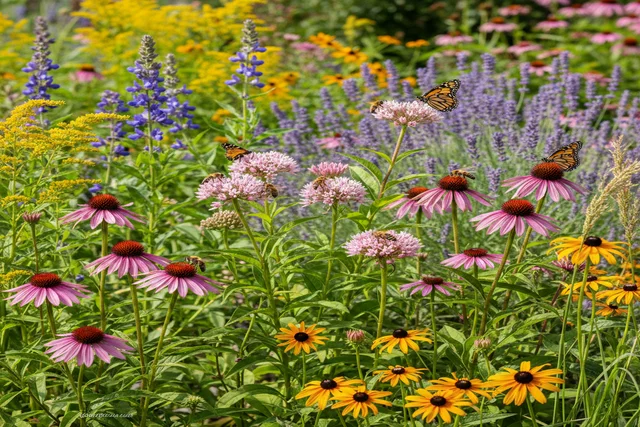
Here are the top 10 plants selected for their high search volume and climate resilience across the USA, UK, and Canada:
1. Milkweed (Asclepias spp.)
Milkweed stands out as the gold standard of larval host plants. Monarch butterflies rely on it completely for reproduction, as they lay their eggs only on milkweed and their caterpillars feed exclusively on its leaves.
Across North America, the monarch migration is under threat due to habitat loss and climate change. By planting milkweed, you are providing a critical pit stop for these butterflies. According to the World Wildlife Fund (WWF), restoring milkweed in home gardens is one of the most effective ways individuals can combat the decline of this iconic species.
Why it is climate-smart
Milkweed tolerates poor soils and increasing temperature swings. Its deep taproots help it survive drought conditions, making it ideal for climate resilient landscaping. Once established, it thrives with minimal care while delivering high nectar value.
2. Purple Coneflower (Echinacea)
A classic nectar-rich perennial, coneflower supports bees throughout summer and feeds birds later with its seed heads.
Climate advantage: Its prairie origins make it exceptionally heat tolerant. It handles erratic rainfall better than many ornamentals and fits beautifully into biodiversity-focused gardens.
3. Bee Balm (Monarda)
Bee balm produces aromatic foliage and vibrant blooms that act like neon signs for pollinators.
Why gardeners trust it:
It adapts well across USDA hardiness zones and shows good resistance to short dry spells. New mildew-resistant cultivars further strengthen its reliability in humid climates.
4. Goldenrod (Solidago)
People often misunderstand goldenrod and blame it for allergies, but ragweed the plant that releases airborne pollen, actually causes them. What goldenrod truly offers is a rich source of late season nectar, giving pollinators the energy they need before winter.
Climate strength: As autumn temperatures fluctuate, goldenrod ensures pollinators store enough energy before winter. It is one of the most dependable keystone plants for seasonal continuity.
5. Salvia (Native Sage)
Salvia’s tubular flowers are engineered for efficient nectar access.
Climate edge: Many native sages handle heat with ease and require little irrigation once rooted, aligning perfectly with climate-resilient landscaping principles.
6. Aster
Asters bloom when most plants fade, extending feeding opportunities deep into fall.
Strategic value: They stabilize pollinator populations by filling seasonal nectar gaps an increasingly important as weather patterns grow less predictable.
7. Joe Pye Weed (Eutrochium)
The Role: A favorite for large butterflies like Swallowtails. Its vanilla scented clusters can attract dozens of pollinators at once.
Climate Benefit: Ideal for Rain Gardens. If your region is experiencing increased rainfall due to climate shifts, Joe Pye Weed helps manage water runoff while staying upright.
8. Black-Eyed Susans (Rudbeckia)
These cheerful flowers deliver prolonged blooming windows a key feature in chemical-free habitat design.
Why they matter now:
Highly drought-tolerant and heat-resistant. They are the definition of plant it and forget it for the climate conscious gardener.
9. Lavender
The Role: According to the 2026 ecological data, sunflowers are Keystone Plants. They support hundreds of bee species and provide seeds for birds later in the season.
Climate Benefit: Their deep taproots improve soil structure and can withstand intense sun exposure.
Recent ecological studies by the National Wildlife Federation (NWF) show that ‘Keystone Plants’ like Sunflowers and Goldenrod are responsible for feeding up to 90% of local caterpillar species
How to Design Your Pollinator Sanctuary
To rank for pollinator-friendly garden design, we need to provide a practical framework. Here is how you can transform any space be it a suburban backyard in Canada or a small patio in London.
1. Layer Your Blooms (The Seasonal Bridge)
Pollinators need a steady food supply from early spring all the way through late autumn. So instead of planting only for June and July, choose a variety of plants that bloom at different times throughout the season.
- Spring: Plant willow or violets.
- Summer: Echinacea and Milkweed.
- Fall: Asters and Goldenrod.
2. Skip the Perfectly Clean Garden Look
In 2026, the Wilder garden is the Smarter garden.
- Leave the Leaves: Many bees nest in hollow stems or under leaf litter.
- Avoid Pesticides: To truly support bees and butterflies, your garden must be a 100% chemical-free zone. Neonicotinoids are a major contributor to pollinator decline.
3. Provide Water and Shelter
A pollinator-friendly garden isn’t just about food; it’s about a home.
- Bee Hotels: Install small wooden structures for solitary bees.
- Pebble Water Bowls: Fill a shallow dish with water and pebbles so bees can land and drink without drowning.
Common Mistakes in Pollinator Gardening (And How to Fix Them)
Even with the best intentions, many gardeners fall into “ecological traps.” To ensure your pollinator-friendly garden is actually doing its job, avoid these three common pitfalls that are often searched by homeowners in the USA and Europe:
Avoid Modern Hybrids with Double Blooms: Many of the flashy flowers sold in big-box stores are bred for appearance, not nectar. These double flowered varieties often produce little to no pollen or block bees from reaching the center. Always choose native species over showy hybrids to truly support pollinators.
Skip Modern Double-Bloom Hybrids: Many eye-catching flowers from big-box stores are bred for looks rather than nectar. These “double-flowered” varieties often offer little to no pollen or make it hard for bees to reach the center. Stick with native species instead; they provide real nourishment and support for pollinators.
The Over-Cleanliness Trap: In the fall, don’t clean up your garden too early. Many native bees spend the winter as larvae in the hollow stems of plants or under fallen leaves. By leaving your garden “messy” until late spring, you are protecting the next generation of pollinators.
Maintenance Tips for 2026: Water Wise and Chemical Free
Modern pollinator gardening is shifting from reactive care to predictive resilience.
Prioritize soil health. Compost improves moisture retention and reduces irrigation frequency.
Skip synthetic pesticides. Even low-dose exposure can impair bee navigation.
Practice strategic neglect. Leaving stems through winter provides nesting shelter.
Plant densely. Living mulch shades soil, lowering evaporation rates.
The lemonading mindset encourages gardeners to see drought not as failure, but as guidance toward smarter plant selection.
When gardens cooperate with climate realities, maintenance actually declines over time.
Creating a Pollinator Friendly Garden is a journey, not a destination. Whether you start with a single pot of milkweed on a balcony or a full acre meadow, you are making a difference. As weather patterns become more unpredictable, these small sanctuaries will become the lifeboats for the creatures that keep our world blooming.
Ready to take the challenge? Start by identifying your local native plants today and watch as your garden transforms into a buzzing, fluttering haven of life.
Read more related articles: https://www.climatechallange.com/native-plants-and-nativars-best-for-low-maintenance-gardens/
FAQS
Q1. What is the best month to start a pollinator garden?
Ans. For most regions in the USA and Europe, early spring or late fall are the best times. Planting in fall allows native perennials to establish their root systems during the dormant season, while spring planting takes advantage of the natural growth cycle and rainfall.
Q2. Do pollinator gardens attract wasps or pests?
Ans. Natural Pest Control: Pollinator gardens don’t just attract bees and butterflies; they also help keep pests in check. By welcoming beneficial insects like ladybugs and predatory wasps (which rarely sting humans), you create a balanced ecosystem that naturally controls garden pests like aphids, no chemicals needed.
Q3. Can I have a pollinator garden in a small apartment balcony?
Ans. Absolutely! You can use container gardening with native plants like lavender, salvia, or dwarf sunflowers. Even a few pots of nectar-rich flowers can provide a much needed refueling station for bees and butterflies in urban environments.