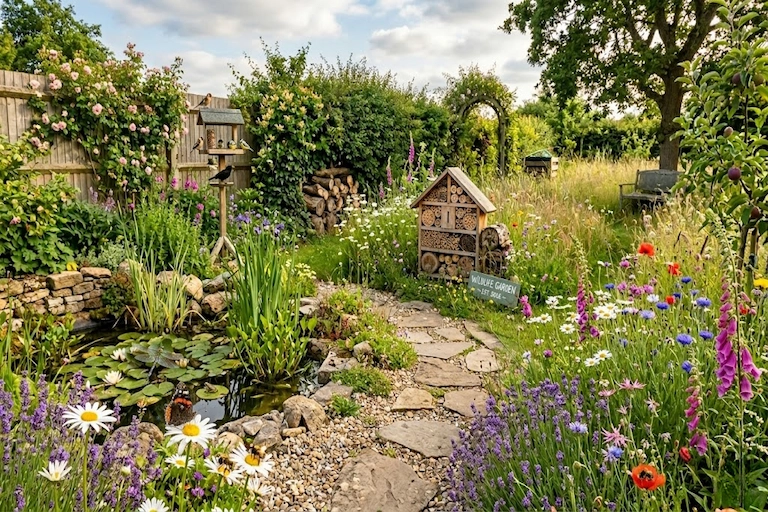
Rewilding Garden Ideas 2026 Create A Wildlife Friendly Garden
Most lawns look great from the street but offer almost nothing to the wildlife living around them. No food, no shelter, no habitat, just grass that needs constant mowing, watering, and fertilizing. Rewilding changes that completely. More American gardeners are ditching the perfect lawn in 2026 and turning their outdoor spaces into thriving pollinator-friendly gardens and wildlife habitats. Whether you have a large backyard or a small city garden, these rewilding garden ideas for 2026 will help you get started.
Quick Answer:
Rewilding means creating a self-sustaining wildlife habitat by using native plants and reducing garden maintenance.
Top 3 2026 Trends: Native meadows, no-mow zones, and pollinator-friendly water stations.
Impact: Even a small rewilded corner can support over 1,000 pollinators annually.
What Is Garden Rewilding?
Garden rewilding means returning parts of your outdoor space to a more natural state, letting native plants establish, creating small habitats, and reducing the constant maintenance that keeps wildlife out. It does not mean abandoning your garden. Think of it as intentional wildness, designed for biodiversity rather than appearances. The result is a wildlife-friendly backyard that supports bees, butterflies, birds, and beneficial insects while becoming easier to manage over time.
Why Rewilding Matters in 2026
Rewilding garden ideas in 2026 are gaining serious momentum, and the data backs it up. The Royal Horticultural Society confirmed that climate is now the main driver of new gardening activity, with rewilding and nature-friendly practices at the top of their 2026 recommendations.
In the US, Illinois became the first state to pass a rewilding law in 2026, reflecting a growing recognition that private gardens and yards play a real role in protecting biodiversity. With 1 in 6 species now threatened with extinction globally, the Wildlife Trusts have stated that connectivity and community are the defining gardening buzzwords of the year.
The scale of impact is real. Pollinators are responsible for one in every three bites of food humans eat. When home gardeners choose native plants over manicured lawns, they directly support the insects and birds that keep ecosystems functioning. Even a small rewilded corner of a backyard can support over 1,000 pollinators annually.
Native Plants by US Region
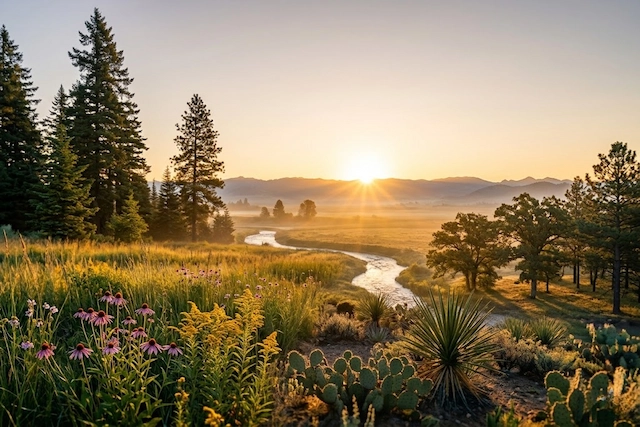
Choosing the right native plants is the most important decision in any rewilding project. Native species have evolved alongside local wildlife over thousands of years, which means they require less water, no synthetic fertilizer, and far less maintenance than non-native alternatives.
Northeast (USDA Zones 4–6)
Milkweed is essential for monarch butterflies and should be in every northeastern rewilding garden. Black-Eyed Susan attracts bees and goldfinches. Wild Bergamot supports bumblebees through summer. Purple Coneflower provides seeds for birds well into winter.
Southeast and South (USDA Zones 7–10)
Blazing Star, also known as Liatris, is a standout pollinator magnet in warmer climates. Passionflower supports Gulf Fritillary butterfly larvae specifically. Coneflower and native Salvia varieties thrive in heat and reliably attract hummingbirds.
Midwest (USDA Zones 4–6)
Little bluestem grass is one of the best choices for Midwest rewilding; it provides structure, winter interest, and habitat for overwintering insects. Swamp Milkweed works in wetter areas. Wild Columbine blooms early, supporting native bees before most other flowers open.
West Coast (USDA Zones 7–10)
Yarrow is drought-tolerant, fast-establishing, and supports over 100 insect species. The California poppy self-seeds easily and provides pollen for native bees. Lupine fixes nitrogen in the soil while supporting bumblebee populations.
Pacific Northwest (USDA Zones 6–9)
Red-flowering currant blooms early in the season when hummingbirds return. Oregon Grape provides early pollen and winter berries for birds. Native Ferns create ground-level habitat for beetles and amphibians.
5 Easy Rewilding Projects to Start This Weekend
Rewilding does not require a complete garden overhaul. These five projects take minimal time but deliver real results for local wildlife.
1. Create a No-Mow Zone
Choose 20% of your lawn, ideally a corner or border area, and simply stop mowing. Within one season, wildflowers and native grasses will begin to establish naturally. Leaving stems and seed heads through winter provides habitat for overwintering insects and food for birds in the lean months.
2. Build a deadwood beetle hotel.
Stack logs, branches, and hollow stems in a shaded corner. Dead wood supports over 2,000 species of insects in the US, including ground beetles that control garden pests naturally. It requires zero maintenance and improves every year as it decomposes.
3. Add a Water Feature
Even a small dish of water placed at ground level creates a habitat for frogs, insects, and birds. A proper rain garden, a shallow depression planted with native moisture-tolerant species, goes further by managing runoff and creating a thriving wet habitat.
4. Try Seed Bombing a Corner
Mix native wildflower seeds with clay and compost, roll into small balls, and scatter across a bare patch. Focus on native species suited to your region rather than generic wildflower mixes, which often include non-native varieties.
5. Install a Bird or Insect Box
Nest boxes for birds and insect hotels for solitary bees are among the highest-impact additions to a pollinator-friendly garden. Place bird boxes on north or east-facing walls away from direct sun. Insect hotels work best when filled with hollow stems, pine cones, and untreated wood with drilled holes.
Essential Rewilding Tools and Resources
The right tools make rewilding faster and more effective. These are the most useful items when starting your garden rewilding journey.
Native Seed Kits around $15: A good native seed kit tailored to your US region takes the guesswork out of plant selection. Look for mixes that specify regional native species rather than generic wildflower blends, which often include non-native varieties that offer little to local wildlife.
Insect Hotels around $25: Pre-built insect hotels provide instant habitat for solitary bees, beetles, and other beneficial insects. Place them on a south or east-facing wall at least one meter off the ground. You can also build a basic version for free using hollow stems, pine cones, and untreated wood.
Rain Barrels around $50: A rain barrel connected to a downspout collects runoff that would otherwise be wasted. Use it to water native plants during dry spells without touching the mains supply. It reduces your water bill and keeps your rewilding garden self-sufficient during summer drought periods.
Soil Moisture Sensors around $20: Smart sensors take the guesswork out of watering by alerting you when the soil actually needs moisture. Particularly useful during the establishment phase when native plants are getting their roots down.
Common Rewilding Mistakes to Avoid
Using non-native plants is the most common error when people rewild their lawn. Many wildflower seed mixes sold in garden centers contain non-native species that look attractive but offer little to local wildlife. Always check that plants are native to your specific region before planting.
Keeping things too tidy works against rewilding. Leaving some areas deliberately messy, with leaf litter, hollow stems, and unpruned growth, creates the microhabitats that insects and small mammals depend on.
Skipping the water source limits how much wildlife your garden can support. Even a small, shallow dish refreshed regularly makes a significant difference, particularly during dry summer months.
Expecting instant results leads to frustration. Rewilding is a process. Most gardens take one to three seasons before wildlife populations begin to visibly increase.
Read more related blogs here: https://www.climatechallange.com/botanical-gardens-how-they-preserve-plants-wildlife-and-nature/
FAQs
Q1. Is rewilding legal if I live in an HOA community?
Ans. It depends on your HOA rules. A practical approach is to keep front-facing areas tidier while rewilding back garden spaces more freely. Several US states are also passing laws that limit HOAs from banning native plant landscaping, so it’s worth checking your local regulations.
Q1. How long before I see more wildlife?
Ans. Most gardeners notice increased insect activity within the first season, particularly if they add a water source and stop using pesticides. Birds and larger wildlife typically follow within one to two years as the habitat becomes established.
Q3. What are the best plants for a complete beginner?
Ans. Start with Black-Eyed Susan, Purple Coneflower, and Milkweed. All three are low-maintenance, widely available, and effective across most US regions.