
Safest Countries For Vacation In 2026 Top 10 Climate Safe Picks
Searching for the safest countries for vacation in 2026 has become more than just looking for low crime rates; today, it’s about finding destinations that are resilient against the changing climate. As extreme weather patterns shift global travel trends, pick a spot that offers both security and peace of mind. It is essential for every traveler.
As a travel blogger, I’ve seen weather patterns change the way people plan their trips, so I can confidently say this shift is real. Things such as climate resilience, strong infrastructure, and smart sustainable tourism policies now matter just as much as beautiful landscapes or cultural attractions. Below, I’ve ranked the Top 10 safest countries for vacation in 2026 based on trusted global indices and the real travel conditions shaping this year’s trends.
Why Climate-Safe Travel Matters in 2026
Travel insurance is changing fast. In 2026, many policies now factor in climate risks and offer more flexible, weather-related coverage, especially for extreme events such as storms or heatwaves. Insurers are even rewarding travelers headed to low-risk holiday destinations with better pricing and broader protection, because destinations with stronger climate resilience tend to have fewer claims and disruptions.
Climate-resilient countries feel more relaxed. I notice it isn’t just about safety. It’s also about reliable infrastructure, quick emergency responses, and local communities that understand how to handle sudden weather shifts. These factors make a huge difference when I’m on the road.
Today’s travelers aren’t just chasing pretty views—they want peace of mind. Sustainable tourism and climate resilience now carry as much weight as sightseeing. Picking a climate-safe destination and robust travel insurance can be the difference between an unforgettable adventure and a logistical nightmare.
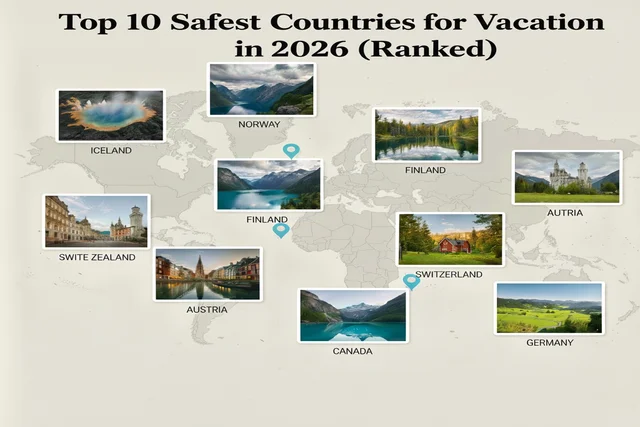
Top 10 Safest Countries for Vacation in 2026 (Ranked)
1. Netherlands
The Netherlands tops our list in 2026, making it the safest country in the world for travelers. Ranked #1 by multiple climate and safety indexes, its robust flood defenses, progressive sustainability policies, and high public safety scores make it a reliable choice. The Dutch lead the way as climate pioneers, and when you visit cities like Amsterdam or Rotterdam, you can clearly see how low-carbon living and climate-resilient urban planning work in real life. I personally love cycling along the canals—it feels safe, looks beautiful, and offers a calm, almost peaceful way to experience the city.
2. Denmark
Denmark takes the #2 spot and leads the CCPI 2026 rankings. With efficient renewable energy infrastructure and a high level of climate adaptation, Denmark is a model for sustainable travel. Copenhagen’s green spaces, bicycle-friendly streets, and eco-conscious accommodations make it a top spot for climate-conscious travelers. In 2026, the La Niña effect has only highlighted Denmark’s reliability—minimal disruptions and stable weather patterns make it perfect for worry-free holidays.
3. Iceland
Iceland remains a climate-safe haven thanks to its remote location and strong environmental policies. The country relies heavily on geothermal energy, and its low population density helps reduce overall climate risks. In 2026, Iceland’s dramatic landscapes—from geysers to glaciers—remain accessible and relatively low-risk for travelers. I always recommend checking local weather alerts, as sudden storms can still occur. Even so, hiking and nature tours here feel calm, immersive, quietly adventurous safest holiday spots for families 2026.
4. Norway
Norway offers both breathtaking scenery and climate resilience. Its northern areas are well-prepared for weather extremes, and sustainable tourism initiatives ensure that visitors enjoy safe and low-impact experiences. From breathtaking fjords to the glow of the Northern Lights, I’ve found that Norway blends adventure with a strong sense of security, making it an excellent choice for both families and solo travelers.
5. Switzerland
Switzerland remains one of the safest places to travel in 2026. Its alpine regions are carefully managed to handle climate hazards, and cities consistently maintain top-notch infrastructure, making travel smooth and worry-free. While the UK still ranks high in climate leadership (#5 in CCPI), Switzerland’s focus on overall safety—including political stability and disaster preparedness—edges it ahead. Ski resorts and lakeside towns are serene, well-maintained, and less likely to experience severe disruptions.
6. Morocco
Morocco is quickly emerging as a rising star in climate-safe travel, thanks to its growing focus on sustainable tourism and climate-resilient development. With adaptive strategies for drought and heatwaves, it offers travelers a mix of cultural richness and growing climate resilience. In 2026, visiting cities like Marrakech or Fes comes with the added benefit of fewer tourist congestion issues, as more travelers focus on traditional European destinations. Adventure seekers can enjoy desert excursions and coastal getaways with confidence, as these areas are carefully monitored for safety and climate risks.
7. New Zealand
New Zealand continues to feel like a low‑risk paradise for many travelers, thanks to its strong focus on sustainable tourism and long‑term disaster planning. The country has developed national strategies and emergency management systems to prepare for earthquakes and other natural hazards, and tourism operators and communities often work together to manage those risks. In 2026, eco‑friendly travel and regenerative tourism are growing trends here, with more local providers offering low‑impact hikes, wildlife tours, and urban experiences that respect the environment and community values.
I’ve personally felt confident trekking around Rotorua and other regions because New Zealand emphasizes climate resilience and clear communication about weather conditions and safety procedures—factors that help make hikes and wildlife tours both thrilling and responsible.
8. Austria
Austria ranks highly because its infrastructure is solid, and local authorities are actively preparing for climate change. In both Alpine regions and cities like Vienna, officials are improving public transport, expanding green infrastructure, and updating tourism plans through initiatives like the “Plan T” master plan, which focuses on sustainability and resilience.
Travelers can explore historical sites, world-class ski resorts, and tranquil lakeside towns with little concern about sudden disruptions. Even with climate challenges such as shifting snow patterns in the Alps, local communities and tourism operators work hard to keep services safe, reliable, and enjoyable.
9. Japan
Japan makes a notable return to the Top 10 in 2026 for Asian safety. Advanced early-warning systems, stringent building codes, and effective disaster response have grown its ranking. Although still susceptible to typhoons and occasional seismic activity, Japan’s preparedness makes it a safe destination for international visitors. From Tokyo’s bustling streets to Kyoto’s serene temples, you can experience vibrant culture with confidence.
10. Finland
Finland rounds out our top 10 because it’s one of the world’s safest travel destinations with very low crime and strong climate‑aware infrastructure. The best cities, such as Helsinki, consistently rank high for public safety and sustainable tourism practices, with reliable transport networks and efficient urban systems. Winter travelers benefit from stable weather forecasts and efficient services even in snowy conditions. Across the country, emergency systems and community preparedness help keep climate risks manageable. Sustainable tourism is part of everyday travel here, from eco‑friendly operators to destinations focused on environmental care. For anyone seeking safe, low‑risk holiday destinations with peace of mind, Finland is the best choice.
How We Ranked These Destinations
Our rankings are based on the latest 2026 data from three key sources:
- ND-GAIN Index: Measures climate vulnerability and readiness for adaptation. Countries with high scores show strong resilience against climate hazards.
- CCPI 2026 (Climate Change Performance Index): Assesses nations’ climate policies and actions. Denmark, the Netherlands, and Switzerland lead here.
- Global Peace Index: Evaluates political stability, crime, and conflict risk. Safety rankings were balanced between climate resilience and societal stability.
By combining these indices, we focus on holistic safety—not just natural disasters, but infrastructure, preparedness, and social stability. This approach highlights countries where travelers can explore freely without constant worry about climate or safety risks.
Tips for Climate-Conscious Travelers in 2026

Traveling safely in 2026 means more than choosing the right country—it’s about preparation and mindfulness. Here are some tips I always follow:
- Check climate advisories: Keep an eye on local weather trends and La Niña updates.
- Invest in eco-friendly accommodations: Prioritize hotels and lodges with sustainable practices.
- Plan travel insurance wisely: Look for coverage that includes extreme weather scenarios.
- Pack smart for the climate: from waterproof gear to sun protection, being prepared ensures comfort.
- Support local resilience initiatives: Engaging in responsible tourism strengthens communities and ecosystems.
By taking these steps, your travels become not only safer but also more rewarding. I’ve found that small, mindful choices—like opting for low-impact transport or eco-friendly tours—can boost both safety and enjoyment, making every trip feel more intentional and memorable.
In 2026, choosing the Safest Countries for Vacation 2026 is about blending adventure with assurance. From the Netherlands’ innovative flood management to Japan’s technological resilience and Morocco’s rising climate readiness, these destinations prove that safety and sustainability can go hand in hand.
Travelers are increasingly aware of climate risks, and selecting destinations with strong climate resilience ensures worry-free, enjoyable holidays. Whether you’re planning a family vacation, solo adventure, or eco-tour, these 10 countries are the Best countries to visit during climate change.
.
Ready to explore confidently? Pack your bags, check your climate updates, and make your next holiday both memorable and safe. Your adventure awaits in a world that’s prepared for you.
Check out how these rankings have changed since our 2025 report: https://www.climatechallange.com/best-countries-to-survive-in-climate-change-2025-top-10-list/
FAQS
Q1. Which is the safest country for vacation in 2026?
Ans. According to the latest 2026 safety indices and travel reports, the Netherlands is ranked as the safest country for vacation in 2026. It leads the world due to its low crime rates, advanced healthcare, and exceptional climate-resilient infrastructure.
Q2. Which countries are best prepared for climate change in 2026?
Ans. The countries best prepared for climate change in 2026 are Denmark, Norway, and Switzerland. These nations rank highest on the ND-GAIN Index and CCPI 2026 due to their aggressive renewable energy goals and superior disaster management systems.
Q3. Is Japan safe for travel in 2026?
Ans. Yes, Japan has officially returned to the top 10 list of safest countries in 2026. It remains the top-ranked destination in Asia for safety, combining low crime with high-tech early warning systems for natural events, making it a secure choice for travelers.
Q4. Why is climate safety important for travel in 2026?
Ans. In 2026, climate safety is crucial because extreme weather events such as heatwaves and floods have become more frequent. Choosing a climate-safe destination ensures minimal travel disruptions, better insurance coverage, and a safer environment for outdoor activities.