What Are The Methods Of Natural Propagation In Plants
Plants have unique ways of reproducing without human help. These natural methods allow them to multiply, adapt, and survive in different environments. Understanding the methods of natural propagation in plants helps gardeners and students learn how nature sustains plant life effortlessly.
What Is Natural Propagation
The natural way plants reproduce and grow new individuals without any human help. It happens when parts of a plant—such as roots, stems, leaves, or seeds—develop into new plants.
In simple terms, it’s nature’s built-in system for plants to grow. For instance, a potato can sprout new plants from its tubers, a strawberry spreads using runners, and a mango tree grows from its seed.
These natural plant propagation methods differ from artificial techniques such as cutting, layering, budding, and grafting, which humans use to reproduce plants quickly.
Below are six common and easy methods of natural propagation in plants, with simple examples for each.
6 Easy Methods of Natural Propagation in Plants:
Plants have evolved several methods to reproduce naturally. These methods are generally divided into vegetative propagation (using plant parts) and sexual propagation (using seeds).
Let’s explore the main natural propagation methods in detail:
1. By Seeds
2. By Runners (Stolons)
3. By Rhizomes
4. By Tubers and Bulbs
5. By Suckers
6. By Offsets
7. By Spores or Fragmentation
1. Propagation by Seeds:
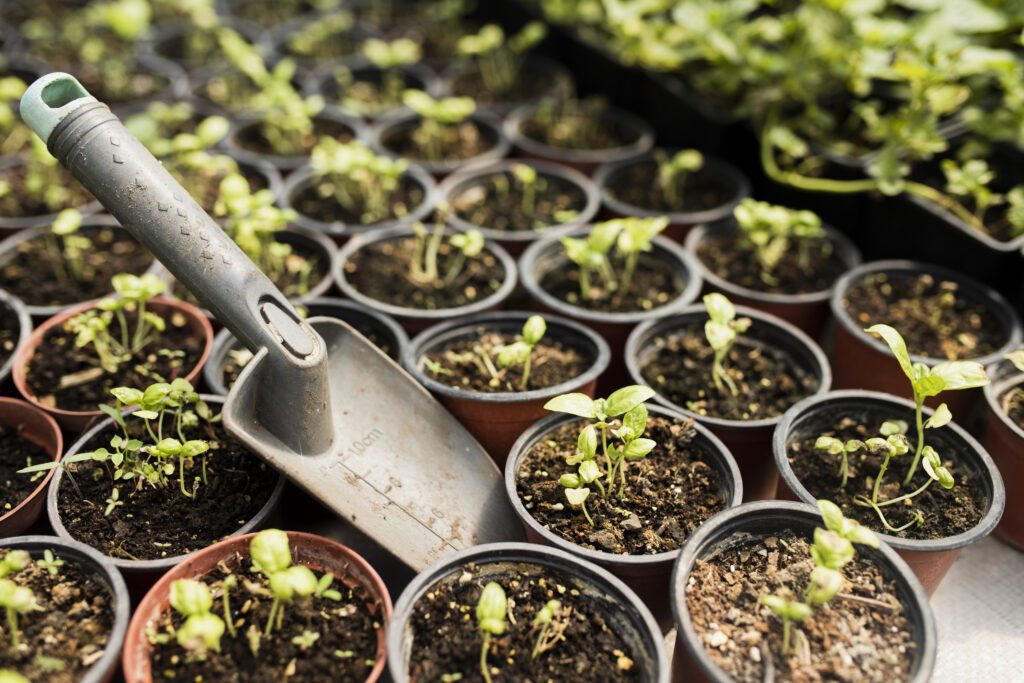
One of the most common and natural methods of plant propagation is through seeds. When a flower is pollinated, it produces seeds that carry genetic traits from the parent plant. These seeds are dispersed by wind, water, or animals, and under suitable conditions, they germinate to form new plants. This process allows plants to grow naturally without any human effort, ensuring the continuity of different species.
Examples: Mango, Apple, Tomato, and Wheat.
2. By Runners (Stolons):
Some plants grow long, thin stems called runners or stolons that spread horizontally above the ground. When these runners touch moist soil, they form roots and develop into new plants while staying attached to the parent for some time. Especially for ground-covering species, this is one of the simplest and fastest methods of natural propagation in plants. It spreads quickly, increasing plant growth and natural coverage.
Examples: Strawberry, Grass, and Spider Plant.
3. By Spores or Fragmentation:
Spores
Spore formation is another natural method plants reproduce, especially in non-flowering plants like ferns, mosses, and fungi.
Under the right conditions, spores—tiny, single-celled structures—grow into new plants, typically in damp, shaded areas.
Spores need favorable conditions to germinate because, unlike seeds, they do not have stored food and protective coverings.
Examples: Ferns produce spores on the underside of their leaves in small clusters called sori.
Fragmentation
A part of the plant, such as a stem, branch, or body fragment, breaks off and develops into a new plant during fragmentation. It is prevalent in aquatic plants, fungi, and algae.
Examples: Spirogyra, Hydrilla
These methods help plants survive in environments where seed production is not possible, keeping natural biodiversity alive.
4. By Rhizomes:
Thick underground stems called rhizomes produce new shoots by growing horizontally. They act as organs for storing food, which helps the plant survive harsh seasons and regrow when conditions improves. One of the most efficient natural propagation methods is the ability of rhizomes to grow into new plants from each section.
Examples: Ginger, Turmeric, and Banana.
5. By Tubers and Bulbs:
Many plants reproduce naturally through swollen underground structures such as tubers and bulbs. Tubers are thickened stems that store nutrients and can grow new plants from buds or “eyes.” Bulbs, on the other hand, are short underground stems surrounded by fleshy leaves that contain food for the developing plant. These underground parts allow plants to survive unfavorable weather and regrow each season without external help.
Examples: Potato (tuber), Onion, and Garlic (bulbs).
6. Propagation by Suckers or Offsets:
The method involves the natural growth of small baby plants, also known as offsets or suckers, from the roots of the parent plant. While still attached, these new shoots form their own roots, and after being split off, they can develop into mature plants on their own. This is one of the simplest and most reliable methods of natural propagation in plants, often used by species that grow in clumps or colonies.
Examples: Banana, Rose, Pineapple, and Aloe Vera.
These six methods of natural propagation in plants show how nature ensures the survival of plant life in simple yet powerful ways.
Why Natural Propagation Matters:
Natural propagation isn’t just about new plants—it’s about the health of our planet. Here’s why it’s so important:
Preserves biodiversity: Different propagation methods help maintain plant variety.
Ensures survival: If conditions change, plants can still adapt and regrow.
Maintains soil fertility: More plants mean richer soil and less erosion.
Sustains ecosystems: Every new plant supports insects, birds, and other living organisms.
How Gardeners Use Natural Propagation:
Gardeners often use these same techniques to increase the number of plants. In addition to natural propagation, they also use plant propagation methods like cutting, layering, budding, and grafting to multiply desirable species more efficiently. You can explore practical examples in this Royal Horticultural Society propagation guide.
For example:
- Cutting a strawberry runner and planting it separately.
- Dividing root bulbs of onions or garlic.
- Allowing tubers like potatoes to sprout before planting.
In addition to saving money and promoting sustainability, using natural propagation techniques maintains plant health without the use of chemicals or genetic modification.
Practical Benefits for Gardeners and Nature Lovers:
Natural propagation makes plant growing easier and more affordable. Gardeners can multiply their favorite plants without using seeds, tools, or chemicals. It helps maintain healthy, identical plants year after year. Plus, it supports a greener, self-sustaining garden that requires less effort.
Difference Between Natural and Artificial Propagation:
| Aspect | Natural Propagation | Artificial Propagation |
|---|---|---|
| Human Involvement | None | Controlled by humans |
| Methods Used | Roots, stems, leaves, seeds, spores | Cuttings, grafting, layering, tissue culture |
| Speed of Reproduction | Naturally timed | Faster, depending on the method |
| Cost | Free and self-sustaining | Requires effort and care |
| Examples | Ginger, Bryophyllum, Strawberry | Rose, Mango (grafting), Apple |
Both natural & artificial methods have their benefits, but natural propagation is essential for maintaining balance in the environment.
Nature never stops growing—and natural propagation is one of the main reasons why. Through roots, stems, leaves, seeds, and spores, plants have developed smart and efficient ways to reproduce and survive on their own.
These six methods of natural propagation in plants show how nature ensures the survival of plant life in simple yet powerful ways. Whether through seeds, rhizomes, or spores, each method supports the growth of new plants without human interference. Understanding these natural processes helps us appreciate how efficiently plants reproduce and maintain life on Earth—completely on their own.
Read more related articles > https://www.climatechallange.com/8-plants-that-naturally-boost-soil-health/
FAQs
Q1. What are the main types of natural propagation?
Ans. The main methods include propagation by roots, stems, leaves, seeds, spores, offsets, bulbils, and fragmentation.
Q2. Why is natural propagation important for the environment?
Ans. It supports biodiversity, aids in restoring damaged ecosystems, and allows plants to grow naturally without relying on external inputs such as fertilizers or seeds.
Q3. Can natural propagation be used in home gardening?
Ans. These natural methods, such as growing from tubers, planting runners, or dividing bulbs, are frequently used by gardeners to economically and naturally multiply plants.
Q4. What are the two methods of plant propagation?
Ans. The two primary methods are asexual propagation, which uses vegetative parts like roots, stems, or leaves, and sexual propagation, which uses seeds. Asexual propagation produces identical plants, whereas sexual propagation produces variety.
Q5. What are the most common plant propagation methods used by gardeners?
Ans. Gardeners propagate plants using a variety of techniques, such as grafting, layering, cutting, and budding. Compared to natural propagation, these methods enable them to produce healthy plants more rapidly.