Blog
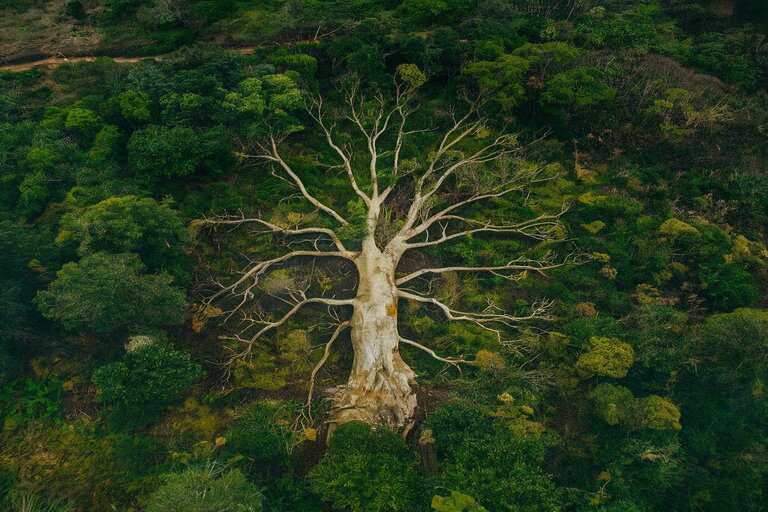
Amazon Forest Destruction What Will Happen To The Planet
The Amazon Forest destruction isn’t just an environmental concern—it’s a looming global crisis. Spanning over 5.5 million square kilometers and home to more than 10% of the world’s known species, the Amazon regulates climate, stores massive amounts of carbon, and sustains millions of people. But illegal logging, deforestation, and climate change are driving Amazon Forest destruction at an alarming pace.
The Amazon Forest Destruction isn’t just an environmental concern — it’s a looming global crisis. Spanning over 5.5 million square kilometers and home to more than 10% of the world’s known species, the Amazon regulates climate, stores massive amounts of carbon, and sustains millions of people. But illegal logging, deforestation, and climate change are driving Amazon Forest destruction at an alarming pace.
Current State of the Amazon Forest (2025)
In recent years, the Amazon Forest has faced mounting pressures from multiple fronts. Satellite data shows approximately 17% of the forest has already been lost to deforestation, with another portion degraded through logging, fire, and fragmentation
Although some recent reports indicate deforestation rates dropped slightly in Brazil between 2024 and 2025, the overall picture remains alarming. Fires fueled by severe droughts have surged, contributing to record tropical forest loss, and degradation rates have spiked in several regions.
Scientists and environmental organizations warn that if current trends continue, the forest could approach a “tipping point”—a stage at which large‑scale ecological collapse becomes increasingly likely. Some research suggests that once roughly 20–25% of the forest is lost, the Amazon could transition from a moist, thriving rainforest into a drier, savanna‑like ecosystem.
These changes aren’t distant predictions—they’re measurable trends rooted in ongoing land‑use change, climate disruption, and economic pressures that prioritize short‑term exploitation over long‑term ecological stability.
Why the Amazon Forest Matters: More Than Just Trees
1. Climate Regulation
Trees in the Amazon are among Earth’s most powerful natural systems for absorbing carbon dioxide (CO₂). They act as a massive carbon sink, helping to slow the pace of global warming. But deforestation and fires release that stored carbon back into the atmosphere, accelerating climate change and destabilizing weather patterns worldwide.
The forest also generates atmospheric moisture through a process called transpiration, contributing to rainfall not just locally but across South America. Without this “flying river” of moisture, drought risk and heat stress would rise dramatically
2. Biodiversity and Ecosystem Services
The Amazon shelters an astonishing array of life—including mammals, birds, fish, insects, and countless plant species, many of which exist nowhere else on Earth. Some studies estimate that millions of species remain undiscovered, and a growing number of known species are now classified as endangered due to habitat loss.
Losing habitat due to forest destruction directly threatens this biodiversity. Scientists estimate that combined pressures from climate change and land clearing could reduce Amazon tree species richness by as much as 58% by 2050, dramatically reshaping the region’s ecological tapestry.
Biodiversity loss doesn’t just mean fewer iconic animals—it weakens the entire ecosystem’s resilience, undermining services like pollination, soil enrichment, and disease regulation that humans rely on every day.
3. Water Cycles and Rainfall Patterns
The Amazon isn’t just a carbon storehouse—it functions like a giant “water pump,” moving moisture from its forests into the atmosphere. This moisture is essential for rain across large parts of South America. Without it, many regions could experience severe drought and agricultural disruption.
Reduced moisture recycling from Amazon Forest Destruction would not only affect local rainfall but could disrupt global weather patterns — meaning places far from the rainforest could face unpredictable precipitation, threatening food production and water availability.
4. Human Communities and Indigenous Peoples
Approximately 47 million people, including Indigenous communities from hundreds of different groups, depend on the Amazon for their livelihoods, culture, and sustenance. Forest destruction threatens not only biodiversity but the very fabric of human societies that have lived sustainably in the region for generations. Loss of food sources, medicinal plants, and access to clean water directly impacts these communities, pushing many toward economic insecurity, health risks, and displacement.
The Impact of Ongoing Amazon Forest Destruction
1. Accelerating Global Climate Change
As more forest disappears, the Amazon’s ability to absorb CO₂ weakens—and in some regions, it may even release more carbon than it absorbs. This transition from carbon sink to carbon source would accelerate global warming, intensifying extreme heat, sea‑level rise, and climate instability.
2. Increasing Drought and Wildfires
With continued forest loss and higher global temperatures, drought frequency and severity are rising across the region. Reduced moisture fuels more wildfires, creating a feedback loop where fire increases forest degradation and contributes to further carbon emissions.
Can the Amazon Recover?
Experts believe that parts of the Amazon can recover if decisive action is taken now, but the scale of recovery depends on several factors. Areas that have been moderately degraded or logged can regenerate naturally over time, especially if fires are controlled and soil quality is maintained. Reforestation programs, where native trees are replanted, can accelerate this process and help restore habitats for wildlife.
However, recovery is not guaranteed. Large-scale forest destruction, combined with climate change effects like rising temperatures and prolonged droughts, can push the ecosystem past a tipping point. Once this threshold is crossed, some regions could permanently shift from dense rainforest to drier savanna-like landscapes, making full recovery extremely difficult or even impossible.
Community-driven conservation, Indigenous stewardship, and international cooperation play a crucial role in promoting recovery. Protecting existing forest areas, enforcing anti-logging regulations, and supporting sustainable land use practices are essential. While the Amazon’s resilience is remarkable, the longer deforestation continues, the more challenging and slow the recovery will become—emphasizing the urgent need for immediate and sustained action.
Read more related articles: https://www.climatechallange.com/endangered-amazon-trees-why-protected-areas-arent-enough/
FAQS
Q1. How much of the Amazon has been destroyed so far?
Ans. Around 17% of the Amazon Basin has been cleared, with additional areas degraded by logging, fire, and drought. This ongoing destruction is pushing the forest closer to critical ecological thresholds. Even small increases in deforestation could have long-term consequences for the ecosystem and global climate.
Q2. What happens if the Amazon reaches a tipping point?
Ans. Scientists warn that losing around 20–25% of the forest could trigger major ecological changes. The rainforest may shift toward a drier, savanna-like ecosystem, which is much harder to recover. Such a transformation would also severely impact regional rainfall and biodiversity.
Q3. Is the Amazon still a carbon sink?
Ans. While undisturbed areas continue to absorb more CO₂ than they emit, increasing deforestation and wildfires are reducing this capacity. Some regions could eventually release more carbon than they store. This change would accelerate global warming and destabilize climate systems worldwide.
admin
0