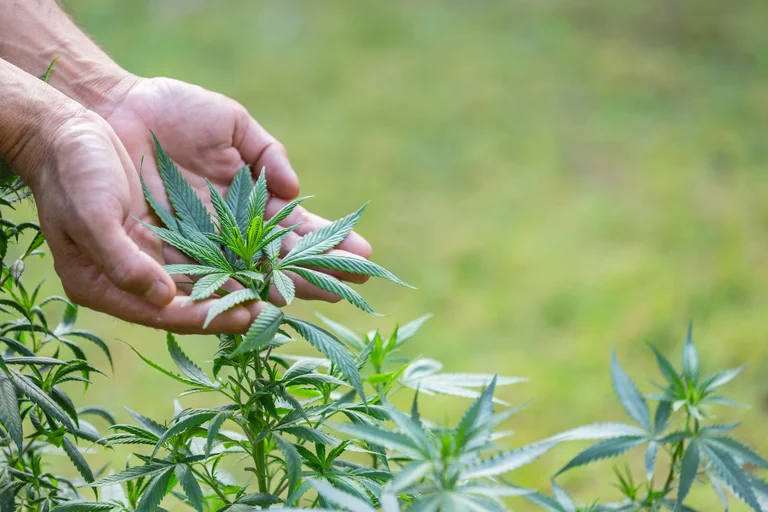
8 Environmental Factors To Avoid For Growing Cannabis
Growing cannabis can be an incredibly rewarding experience, but only if the environment supports healthy plant development. Even the smallest mistakes can slow growth, reduce yields, and lower the overall quality of your harvest. Understanding the environmental factors to avoid for growing cannabis is essential for every grower—whether you’re cultivating indoors, outdoors, or in a greenhouse.
In this guide, we’ll explore the most common environmental mistakes that can harm your plants and share practical ways to fix them. Let’s make sure your cannabis grows healthy, strong, and stress-free.
1. Extreme Temperatures:
Temperature plays one of the biggest roles in cannabis growth. Cannabis plants are sensitive to temperature changes, and both heat stress and cold shock can lead to serious problems.
When the temperature drops too low, plants can slow down their growth, suffer nutrient lockout, or even develop mold. On the other hand, excessive heat can cause leaf burn, dehydration, and weak bud formation.
Tip: Use a thermometer to monitor your grow space. If it gets too warm, turn on fans or air conditioning. If it gets cold, use a small heater to balance the temperature.
Ideal temperature for growing cannabis
Keep it between 65°F and 80°F (18°C–27°C).
For greenhouse growers, use ventilation fans, shading nets, or cooling systems to stabilize the temperature. At night, you can use heaters or insulation blankets if your climate is cold.
Tip: Use a thermometer to monitor your grow space. If it gets too warm, turn on fans or air conditioning. If it gets cold, use a small heater to balance the temperature.
2. Inconsistent Humidity Levels:
Water plays an important role in marijuana production. Too much water breeds mold and mildew, while too little leads to water quality and nutrient deficiencies. Aim for 40-60% humidity at the vegetative stage, and reduce this to 40-50% at the flowering stage. A hygrometer can help monitor and adjust heat levels as needed.
Grower’s Tip: Use a humidifier or dehumidifier with a digital meter to keep humidity consistent. In 2025, many growers use smart sensors that adjust humidity automatically — a great upgrade for stable growing conditions.
3. Poor Air Circulation:
Cannabis plants need oxygen to combat issues like stagnant air, which can lead to mold and nutrient malabsorption. Make sure your grow area is properly ventilated through a proper fan or HVAC system to circulate air and maintain healthy growing conditions.
Quick Tip: Set up intake and exhaust fans at opposite ends of the room or greenhouse. This creates steady airflow and keeps your plants fresh and mold-free.
4. Low-Quality Soil:
The quality of your soil or growing medium directly affects plant health. Avoid using soil that is too hard or impervious to water, as it can cause issues such as root rot.
Choose well-aerated soil that drains water properly but still holds enough moisture. Mixing organic compost, coco coir, or perlite gives your soil a better texture and nutrients.
Grower’s Tip: Check your soil pH regularly. The ideal range is 6.0–7.0 for soil and 5.5–6.5 for hydroponics. Balanced pH helps plants absorb nutrients efficiently.
5. Inadequate Lighting:
Light is one of the most important factors for cannabis growth. Without enough light, your plants stretch too tall and produce small, weak buds.
Whether you grow indoors or in a greenhouse, make sure your plants get enough light every day. In 2025, most growers prefer full-spectrum LED lights because they use less energy and produce strong, healthy plants.
Quick Fix: Keep your lights about 12–24 inches above the canopy. Give plants 18 hours of light during vegetative growth and 12 hours during flowering. Use timers to maintain a regular light cycle.
6. Overwatering or Underwatering:
Watering mistakes are very common. Too much water causes root rot, while too little makes plants dry and weak. Water only when the top layer of soil feels dry. Good drainage is key—always use pots with holes so extra water can escape.
Grower’s Tip: Consider utilizing a smart irrigation system or a moisture meter. It tracks soil moisture and helps you water your plants only when they actually need it.
7. Pest Infestations:
Insects such as spider mites, aphids, fungus worms, and others can damage your cannabis plants. Avoid pest entry by maintaining a clean growing environment and monitoring plants regularly for signs of infestation. Use organic pest control methods and make sure your growing area is free of pest sources.
Tip: Use natural pest control methods like neem oil spray or sticky traps. Adding beneficial insects, such as ladybugs, also helps protect your plants without chemicals.
8. Neglecting Plant Care:
Finally, don’t neglect regular plant care. Cannabis plants need regular maintenance, including pruning, picking, and checking for signs of stress or disease. Inspect your plants regularly and address any problems immediately to ensure they remain healthy and productive.
By understanding these environmental factors to avoid when growing cannabis, you can keep your plants strong and resilient. Stay consistent with temperature, humidity, airflow, and lighting—and consider modern automation tools to keep your plants thriving year-round.
Tip: Keep a grow diary. Note your daily temperature, humidity, and watering schedule. This helps you spot problems early and fix them before they spread.
2025 Environmental Challenges in Cannabis Growing
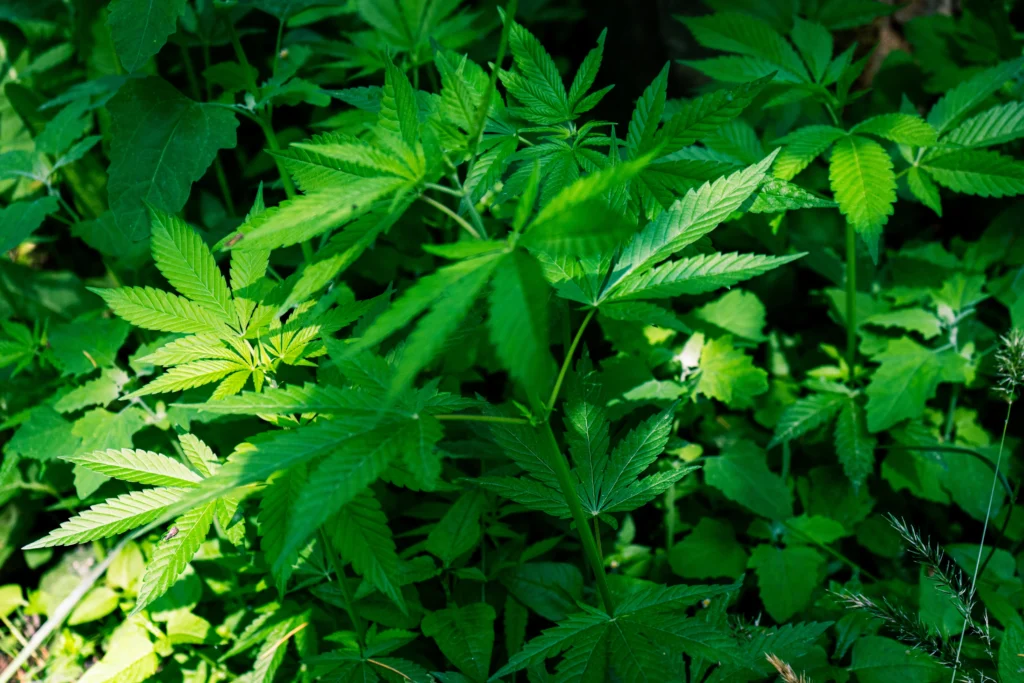
Growing cannabis is changing fast. With new technology and climate challenges, growers now focus more on sustainability and precision control.
Smart Growing Systems
AI-based smart climate systems that automatically regulate humidity, lighting, and temperature are used by many modern growers. Without requiring manual labor, this helps maintain ideal conditions.
Sustainable Practices
In 2025, eco-friendly cultivation has become a top priority for cannabis growers. Many are adopting solar-powered lighting, rainwater harvesting, and energy-efficient LED systems to cut down on energy use. These sustainable methods not only reduce costs but also help lower the overall carbon footprint of greenhouse operations.
Climate Change Impact:
As global temperatures continue to rise, unpredictable weather poses new challenges for cannabis cultivation. Greenhouse growing now offers better control and protection against extreme conditions. Growers are installing smart climate sensors, ventilation backups, and automated systems to defend plants from heatwaves, humidity spikes, and environmental stress.
Avoiding these eight environmental factors can make a big difference in your cannabis growth journey. From temperature control to pest management, each step builds a foundation for stronger, healthier plants.
Whether you grow indoors, outdoors, or in a greenhouse, focus on maintaining the right balance of temperature, humidity, airflow, and light. With a stable environment, your cannabis plants will reward you with vibrant growth and a high-quality yield.
Read more related blogs> https://www.climatechallange.com/10-harmful-plants-you-should-avoid-growing-in-your-garden/
FAQs
Q1. What are the main environmental factors to avoid when growing cannabis?
Ans. Extreme temperatures, humidity fluctuations, poor airflow, and low-quality soil are the biggest environmental issues that reduce yield and plant health.
Q2. What’s the ideal temperature for cannabis growth?
Ans. Between 65°F and 80°F (18°C–27°C) depending on the stage. Flowering plants prefer slightly lower nighttime temperatures.
Q3. Is 70% humidity too high for cannabis?
Ans. 70% humidity is too high, especially during the flowering stage. Such moisture levels can cause mold, bud rot, and mildew on cannabis plants. Keep humidity around 40–60% in vegetative growth and reduce it to 40–50% during flowering for best results.