Costa Rica’s Cloud Forests A Disappearing Paradise In 2026
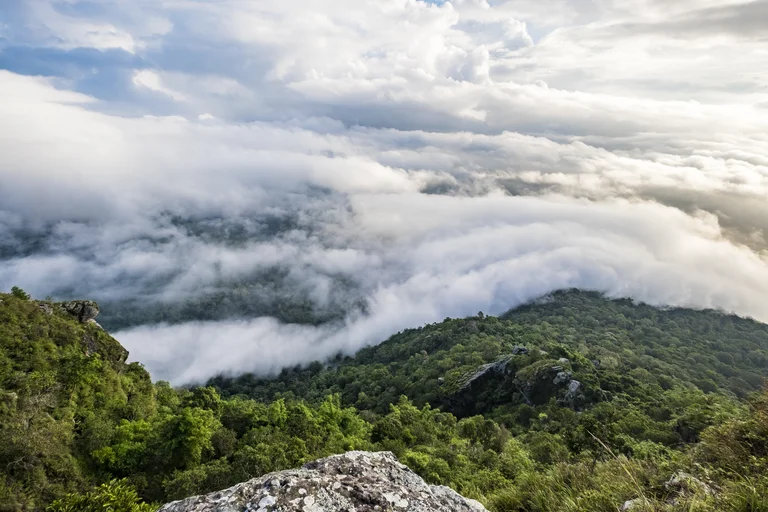
High in the misty mountains of Costa Rica lies a world that feels almost magical. Clouds cling to moss-draped trees, orchids hang like jewels from branches, and the vibrant calls of the resplendent quetzal echo through the canopy. These are Costa Rica’s cloud forests, where every morning begins with soft fog wrapping the mountains in a serene, living tapestry.
Yet in 2026, this paradise faces a growing threat. Monteverde, one of the most iconic cloud forest regions, has seen the number of sunny days rise from about 30 to over 130 per year. The fog that once nourished streams, mosses, and epiphytes is lifting, leaving the forest drier and more vulnerable than ever.
Walking through these highlands today, subtle changes are impossible to miss. Mosses cling desperately to trunks, orchids struggle to bloom, and the forest feels quieter, almost hollow. Costa Rica’s cloud forests are not just stunning landscapes; they are living ecosystems that depend on a delicate balance of moisture, fog, and temperature—and in 2026, their story urgently calls for action.
What Are Costa Rica’s Cloud Forests?
Costa Rica’s cloud forests are tropical montane forests found at high elevations, usually between 1,000 and 2,500 meters above sea level. These ecosystems are defined by constant mist and low-hanging clouds, which provide moisture even when rainfall is scarce.
Key characteristics:
- Persistent cloud cover: Clouds and fog regularly blanket the forest canopy, creating a cool, humid, and shaded environment.
- Horizontal precipitation: Trees and plants trap moisture directly from fog, providing a vital water source in addition to rainfall.
- Rich biodiversity: These forests support thousands of plant and animal species, many of which exist nowhere else on Earth.
- Unique ecosystem structure: Epiphytes such as orchids, mosses, ferns, and bromeliads grow on tree trunks and branches, drawing moisture from the humid air instead of the soil.
Unlike lowland rainforests such as the Amazon, which depend mostly on rainfall from the sky, cloud forests get a substantial portion of their water from mist and fog. This makes Costa Rica’s cloud forests particularly sensitive to changes in temperature and cloud formation.
Why Are Costa Rica’s Cloud Forests Disappearing?
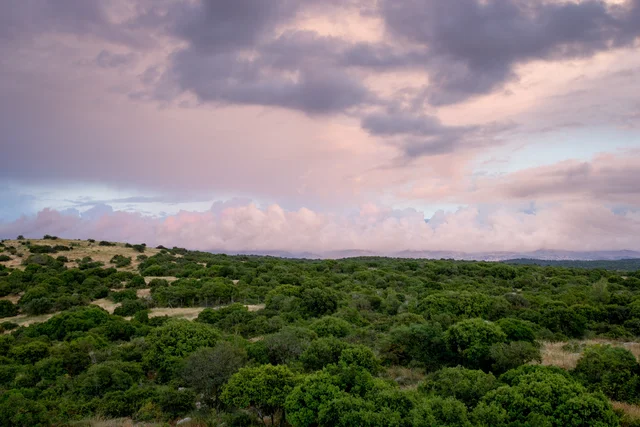
Climate change is the main cause. Rising temperatures, changing rainfall patterns, and longer dry seasons are lifting the cloud base higher, cutting off the vital fog these forests depend on to survive.
- Rising cloud base: As temperatures increase, warm air forces clouds to form at higher elevations. This leaves lower mountain cloud forests without regular fog cover, exposing them to direct sunlight, drier conditions, and increased water stress.
- Longer dry seasons: Extended periods without sufficient rainfall reduce overall moisture in the ecosystem. Trees struggle to retain water, epiphytes dry out quickly, and soil organisms that support nutrient cycling begin to decline.
- Shifting wind and humidity patterns: Changes in wind direction and humidity levels interfere with the natural process of cloud formation. As a result, fog becomes less frequent and less predictable, weakening the delicate balance that cloud forests depend on to survive.
What Makes Cloud Forests Unique?
Altitude and Climate
Cloud forests exist at cooler, higher elevations, unlike the warm, lowland Amazon rainforest. The constant moisture from fog creates a delicate balance that supports species adapted specifically to this environment.
Horizontal Precipitation
Cloud forests rely heavily on horizontal precipitation. Water droplets in fog condense on leaves and branches, adding up to 40% of the forest’s total water supply. This is essential for epiphytes and helps sustain streams that flow into rivers below.
Epiphytes and Flora
The abundance of epiphytes is one of the defining features of Costa Rica’s cloud forests:
- Mosses cover trees like green velvet.
- Orchids hang delicately from branches.
- Bromeliads form natural reservoirs that store water for insects and birds.
These plants are highly sensitive to even minor changes in moisture, making them early indicators of climate stress.
The Rising Cloud Base: A Growing Threat
One of the most critical threats to Costa Rica’s cloud forests is the lifting of the cloud base. This occurs when warmer temperatures cause the clouds to form at higher altitudes, leaving the lower mountain forests without the fog they rely on.
Effects of the lifting cloud base:
- Trees and mosses receive less moisture.
- Epiphytes dry out or die, disrupting the delicate ecological network.
- The soil dries out, leaving less water available for plants and the streams that depend on it.
Over time, these conditions reduce forest density and biodiversity, making Costa Rica’s cloud forests less resilient to climate change and natural disturbances like storms or fires.
Wildlife and Plant Life in Danger
Costa Rica’s cloud forests are home to thousands of species, many of which are endemic. But climate change is forcing wildlife and plants to migrate higher, leaving limited space and creating risks of extinction.
Key examples include
Resplendent Quetzal: This vibrant bird relies on the cool, misty canopy for nesting and finding food. As the forest dries, its habitat is increasingly at risk.
Epiphytes: Mosses, orchids, and ferns are losing habitat as the fog that provides their essential moisture declines, making it harder for them to survive.
Golden Toad: Once native to cloud forests, its extinction highlights the vulnerability of species to climate change.
Species Migration: Plants and animals attempting to move upward often encounter mountaintop limits, creating isolated populations and potential local extinctions.
The loss of biodiversity also affects ecosystem services, such as pollination, water retention, and nutrient cycling, further destabilizing the forest.
Cloud Forests’ Impact on People and Communities
Water Supply and Agriculture
Cloud forests act as living water towers. Their mosses and epiphytes function like sponges, absorbing fog and rain, storing it, and releasing it gradually into streams and rivers. This sponge effect maintains steady water flow throughout the year—even during dry periods.
- Hydroelectric power: Costa Rica relies heavily on rivers fed by cloud forests to generate electricity. Reduced stream flow threatens energy security.
- Agriculture: Irrigation for crops, including coffee and vegetables, depends on water regulated by the forests.
- Domestic supply: Towns and cities downstream receive less water during dry periods, creating scarcity for households.
When these natural sponges dry out, the ripple effect is immediate. Energy grids are stressed, crops falter, and communities feel the pinch, demonstrating how intimately human life is tied to the health of Costa Rica’s cloud forests.
Tourism and Livelihoods
Ecotourism is a major source of revenue for Costa Rica. The unique beauty of Costa Rica’s cloud forests draws visitors for bird watching, hiking, and nature experiences. As forests dry and iconic wildlife declines, tourism revenue and local livelihoods face significant risks.
The Coffee Crisis: Why Your Morning Cup is at Risk
Costa Rican coffee is famous worldwide for its unique flavor & high quality. Most people don’t realize that your morning cup is directly linked to Costa Rica’s cloud forests. These forests act like natural air conditioners, providing the cool, humid conditions that coffee plantations need to thrive.
1. Microclimate Regulation:
Cloud forests reduce intense sunlight and maintain humidity in the air. The cooler conditions help coffee beans ripen slowly, bringing out the rich flavors and balanced acidity that make Costa Rican coffee so highly valued around the world. When the forests dry out, this natural process is disrupted.
2. The Impact of Rising Heat:
As reports from January 2026 (The National News) note, Monteverde is seeing more sunny, hot days. Excess heat is harmful to coffee plants. Beans ripen too quickly, losing their nuanced flavor, and the coffee can turn bitter or lower in quality.
3. Water Scarcity and Soil Health:
Cloud forests act as mountain “water towers,” feeding small streams that supply coffee plantations. When these forests dry, the soil loses its ability to absorb water, and rain can wash away nutrients, causing soil erosion. This threatens the health of coffee crops and reduces yields.
4. Economic Uncertainty for Farmers:
Thousands of small-scale Costa Rican farmers rely on these forests. When coffee crops fail, farmers lose years of hard work. If the cloud forests continue to disappear, coffee prices may skyrocket, and countless families could lose their livelihoods.
Costa Rica’s Conservation Strategy
Costa Rica is taking proactive steps to protect its cloud forests through its 2025-2035 Climate Plan:
- Protected areas and corridors: Linking reserves allows species to move in response to changing conditions.
- Carbon credits and payments for ecosystem services: Landowners are incentivized to maintain forested land, creating sustainable economic support.
- Reforestation and restoration: Degraded areas are replanted with native species to enhance resilience.
- Scientific monitoring: Long-term studies track cloud base shifts, species migration, and ecosystem health to inform adaptive conservation.
These measures aim to preserve both biodiversity and the ecosystem services, including water storage, climate stabilization, and agricultural support.
The fate of Costa Rica’s cloud forests in 2026 serves as a powerful reminder that our planet’s most fragile ecosystems are at a breaking point. As rising temperatures push the life-giving mist higher into the atmosphere, we risk losing not just a breathtaking landscape but also a vital source of water and biodiversity. Protecting these forests is no longer just a local conservation effort; it is a global necessity that requires immediate climate action from all of us. We must support sustainable policies and reforestation today to ensure these mystical emerald peaks do not vanish forever. The time to act is now, before the clouds disappear and take our forests with them.
Read more related articles: https://www.climatechallange.com/amazon-forest-destruction-what-will-happen-to-the-planet/
FAQS
Q1. What is the main threat to Costa Rica’s cloud forests in 2026?
Ans. The primary threat is the “lifting cloud base” caused by global warming. Rising temperatures force mist and clouds to form at higher altitudes, leaving lower forest zones dry. This disrupts the moisture-dependent ecosystem, threatening rare species and water supplies.
Q2. How do cloud forests differ from the Amazon rainforest?
Ans. Unlike the lowland Amazon, cloud forests are high-altitude ecosystems (1,000–2,500 m) that rely on persistent fog. While the Amazon depends on rainfall, cloud forests use “horizontal precipitation,” where trees capture moisture directly from clouds and mist.
Q3. Are Costa Rica’s cloud forests disappearing?
Ans. Yes, research in 2026 confirms they are shrinking. Increased sunny days—rising from 30 to over 130 days annually in areas like Monteverde—are drying out the mosses and epiphytes, forcing wildlife to migrate to higher, limited peaks.