Billion Dollar Disasters Why The U.S Faces One Every 10 Days
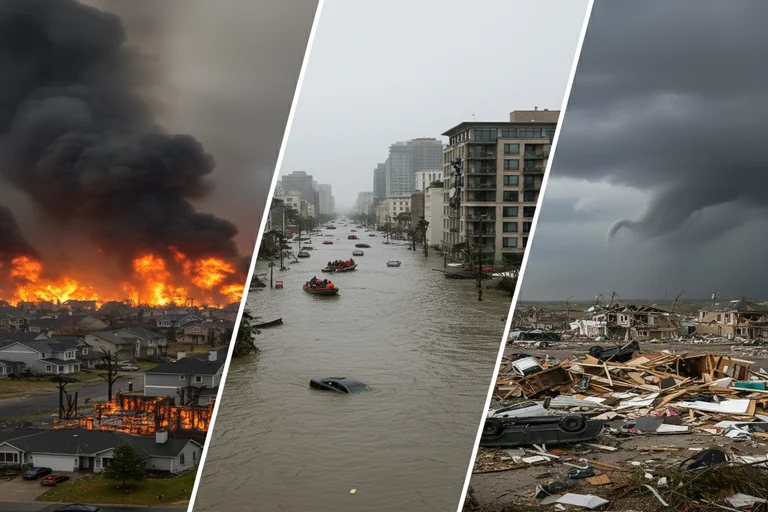
Billion-dollar climate disasters are no longer rare events in the United States. In 2025, the country faced a major climate disaster every 10 days, each causing immense damage to communities, infrastructure, and the economy. From hurricanes flooding coastal cities to wildfires scorching western states, these extreme weather events have become a stark reminder that climate change is not a distant threat—it’s happening now. This article explores why the U.S. is experiencing such frequent disasters, the economic and social impact, and what it means for the future.
Experts link this increase to rising global temperatures, shifting weather patterns, and urban development in high-risk areas. Warmer oceans fuel stronger hurricanes, prolonged droughts worsen wildfire risks, and heavy rainfall triggers flash floods. All of these factors contribute to the billion-dollar price tag we see today.
What Counts as a Billion‑Dollar Climate Disaster?
A billion‑dollar climate disaster is defined as any weather or climate‑related event that causes at least $1 billion in economic losses (inflation‑adjusted) in the U.S. These losses include:
- Property damage
- Business and infrastructure losses
- Emergency response costs
- Agricultural disruption
This measure enables scientists, policymakers, and the public to comprehend the economic weight of extreme weather beyond headlines. In 2025, these disasters included wildfires, tornado outbreaks, severe storms, drought, and flooding.
Latest Data: 23 Devastating Events in 2025
According to a new analysis by Climate Central—the authoritative database tracking U.S. weather disasters—there were 23 separate billion-dollar climate and weather disasters in 2025. These events resulted in an estimated $115 billion in total damage and at least 276 fatalities, making 2025 one of the most expensive years on record for climate‑driven disasters.
Here are the key takeaways:
- 23 events reached $1 billion or more in damage.
- 2025 ranks third-highest historically, behind only 2023 and 2024.
- The total cost, $115 billion, far exceeds the long‑term average of about $67.6 billion per year.
- At least 276 people lost their lives in these events.
This frequency means the U.S. averaged a billion‑dollar disaster roughly every 10 days — a dramatic rise compared to past decades.
Major Disasters That Defined 2025
Record Wildfire Losses in Southern California
One of the most dramatic and costly events of 2025 was the January California wildfires. Fueled by extreme Santa Ana winds, prolonged drought conditions, and dry vegetation, these fires became the costliest wildfire event in U.S. history, with losses exceeding $60 billion.
This event alone accounted for more than half of the year’s total disaster costs and destroyed thousands of homes and businesses.
Severe Weather and Tornado Outbreaks
Severe weather—including intense thunderstorms, hail, and tornadoes—was responsible for at least 21 of the 23 disasters in 2025. These events caused tens of billions in damage and dozens of deaths, particularly during spring storm outbreaks.
In March 2025, a historic tornado outbreak swept across the central and eastern U.S., with more than 100 confirmed tornadoes and damage estimates over $10 billion.
Why Are These Disasters Happening More Often?
Several factors explain the dramatic increase in frequency and cost of climate disasters in the U.S.:
1. Rising Temperatures and Climate Change
Scientific evidence shows that global warming—driven by greenhouse gas emissions—increases the intensity and frequency of extreme weather. Warmer air holds more moisture, which causes heavier rainfall and increases the risk of flooding. Higher temperatures also contribute to longer droughts and more intense wildfire seasons. Increasing ocean heat fuels stronger storms and exacerbates weather extremes.
2. Population Growth in Vulnerable Areas
More Americans now live in climate-risk regions such as coastal areas, wildfire-prone landscapes, and floodplains. As homes and infrastructure face greater exposure to extreme weather, the human and financial costs rise sharply.
3. Aging and Inadequate Infrastructure
Many U.S. buildings, roads, and utilities were not designed to withstand today’s climate extremes. Storm surge, flooding, and high winds can overwhelm outdated systems, turning manageable weather events into billion‑dollar disasters.
4. Reduced Federal Tracking and Preparedness Resources
In recent years, federal climate and disaster preparedness programs—including critical data tracking systems — have faced budget cuts and restructuring. This has challenged the country’s ability to monitor evolving risk and plan more effectively for future events.
Economic and Social Impact Across the Nation
When disasters strike, the effects ripple far beyond the immediate damage:
- Local economies suffer as businesses close and workers lose livelihoods.
- Insurance premiums rise, and homeowners face greater costs.
- Displacement and housing shortages increase, especially in low‑income communities.
- Public health risks grow, from heat stress to mental health trauma.
- Emergency response systems strain often at local cost.
The EPA estimates that climate‑driven disasters add billions in long‑term recovery and health costs not fully captured in initial damage estimates.
Can Preparedness Reduce Future Costs?
Yes—and it’s urgent. Actions that help reduce the severity and cost of disasters include:
- Improving building codes in high‑risk areas
- Upgrading infrastructure to withstand extreme weather
- Strengthening early warning systems
- Investing in natural climate solutions like wetlands and forests.
Communities that prioritize resilience can significantly lower both human and economic losses.
Read more related articles: https://www.climatechallange.com/fossil-fuel-environmental-damage-5-billion-lost-every-hour/
FAQS
Q1: How often do billion-dollar climate disasters occur?
Ans. In 2025, the U.S. averaged one billion-dollar disaster every 10 days, showing a dramatic increase compared to previous decades. Extreme weather is becoming more frequent due to climate change. Communities need to stay prepared for these recurring threats.
Q2: What was the costliest disaster in 2025?
Ans. The Southern California wildfires in January 2025 were the most expensive event, with damages exceeding $61 billion. Thousands of homes were destroyed, and hundreds of thousands were forced to evacuate. It became the costliest wildfire in U.S. history.
Q3: Are hurricanes the main cause of these disasters?
Ans. Interestingly, 2025 had no major hurricane landfalls, yet the U.S. still faced multiple billion-dollar disasters. Most damages came from wildfires, tornadoes, and flooding. This shows extreme weather isn’t limited to hurricanes alone.
Q4: Why do experts link these disasters to climate change?
Ans. Climate change increases extreme heat, strengthens storms, and alters rainfall patterns. This makes events like wildfires, tornado outbreaks, and floods more severe. Rising global temperatures amplify both the frequency and the cost of disasters.