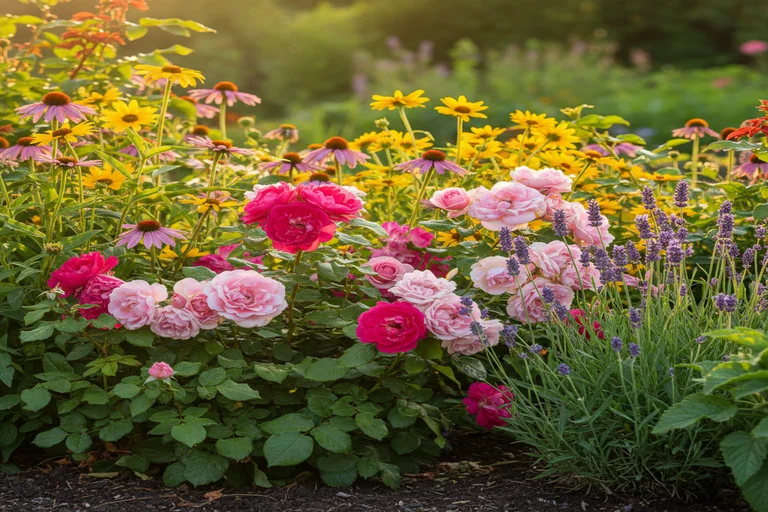
Blooming Flowers 7 Secrets Most Gardeners Never Tell You
Have you ever walked past a garden and wondered how it looks so alive, colorful, and full of blooming flowers while yours struggles to keep up? The truth is, thriving gardens aren’t built on luck. They are the result of small, smart techniques that experienced gardeners quietly follow year after year.
Blooming flowers don’t just happen because of good weather or expensive plants. They bloom because the gardener understands soil balance, watering depth, sunlight behavior, and how plants actually grow. When these basics are done right, flowers respond with stronger stems, richer colors, and longer blooming cycles.
In this guide, you’ll discover seven proven secrets that most gardeners never talk about. These are practical, easy-to-apply methods that help turn ordinary gardens into spaces filled with healthy, long-lasting blooming flowers.
The Hidden Secrets Behind Healthy Blooming Flowers
Beautiful blooming flowers are not the result of chance or expensive gardening tools. They grow consistently when gardeners follow a few proven techniques that support plant health from the roots up. In the sections below, you are about to discover seven practical secrets that experienced gardeners quietly rely on. These tips focus on maintaining soil balance, using proper watering methods, placing plants in the right sunlight, and following natural care practices. When applied together, they help blooming flowers grow stronger and brighter and last much longer throughout the season.
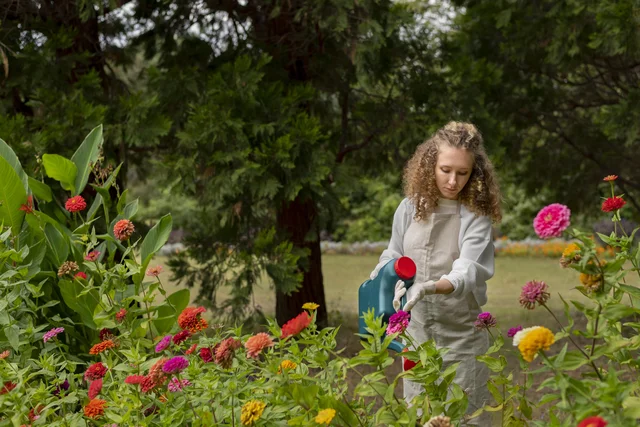
Secret 1: The Golden Ratio Soil Mix
Healthy soil is the foundation of blooming flowers. Many gardeners focus on fertilizers but forget that soil structure matters just as much. Flowers need soil that holds moisture while still allowing roots to breathe.
The golden ratio most professionals follow is a balanced mix of:
- Organic compost for nutrients
- Garden soil for stability
- Sand or perlite for drainage
This combination prevents waterlogging and root rot, two major reasons flowers fail to bloom properly. Compost also feeds beneficial microbes, which naturally improve soil health over time.
To understand more about the science of plant growth, you can check out the Royal Horticultural Society’s guide on plant care.
When soil is alive and balanced, blooming flowers become stronger, brighter, and more resilient against disease.
Science-Backed Care Makes Blooming Flowers Stronger
Successful gardening is not based on guesswork; it is rooted in plant science. When gardeners understand how soil structure, moisture levels, and nutrients work together, blooming flowers grow stronger and last longer. Scientific research shows that healthy soil microbes help plant roots absorb nutrients more efficiently, directly supporting stronger growth and better flower production. Proper watering techniques also reduce plant stress and improve blooming cycles. To understand more about the science of plant growth, you can check out the Royal Horticultural Society’s guide on plant care. Following science-based practices helps gardeners avoid common mistakes and achieve more vibrant, reliable blooms.
Secret 2: Deep Watering Techniques
One of the biggest mistakes home gardeners make is shallow watering. Light daily watering encourages weak roots that stay near the surface. Deep watering, on the other hand, trains roots to grow downward, making plants more stable and drought-resistant.
For blooming flowers, it’s better to water slowly and deeply two to three times a week instead of watering lightly every day. Early morning watering works best because it reduces evaporation and fungal risks.
Deep watering helps flowers handle heat stress and supports consistent blooming throughout the season. Strong roots mean more energy goes into flowers instead of survival.
Secret 3: The Magic of Deadheading
Deadheading sounds harsh, but it’s one of the most powerful techniques for encouraging blooming flowers. When old or faded flowers remain on the plant, energy is diverted toward seed production instead of new blooms.
By removing spent flowers regularly, you signal the plant to keep blooming. This is especially effective for roses, petunias, marigolds, and geraniums.
Deadheading also improves the plant’s appearance and reduces pest attraction. A few minutes each week can extend your flowering season by several weeks, sometimes even months.
Secret 4: Feed the Soil, Not Just Plants
Chemical fertilizers can give plants a quick boost, but depending on them alone doesn’t work well in the long run. Experienced gardeners focus on improving soil health so plants can receive nutrients naturally and consistently over time.
Organic matter, such as compost tea, leaf mold, or aged manure, enriches the soil slowly. This prevents nutrient burn and promotes steady growth.
When soil organisms thrive, blooming flowers receive balanced nutrition without stress. Over time, plants become healthier, require less maintenance, and produce more reliable blooms.
Secret 5: Strategic Sunlight Placement
Not all flowers require full sun, yet many gardeners place them in the wrong location. Understanding sunlight patterns in your garden can dramatically improve blooming performance.
Sun-loving flowers such as roses and zinnias thrive when they receive at least six hours of direct sunlight each day. Shade-tolerant plants such as begonias and impatiens prefer filtered or indirect light.
Observing how sunlight moves across your garden during the day helps you place plants where they naturally thrive. Proper sunlight exposure leads to stronger stems, richer colors, and longer-lasting blooming flowers.
Secret 6: Natural Fertilizer Hacks
Natural fertilizers are often overlooked, yet they are gentle, effective, and environmentally friendly. Items already in your kitchen can support blooming flowers without harming soil life.
Used coffee grounds improve soil texture and add nitrogen. Banana peels provide potassium, which supports flower formation. Crushed eggshells add calcium, strengthening plant cell walls.
These natural options work slowly, reducing the risk of overfeeding. When used consistently, they support healthier plants and more vibrant blooms throughout the growing season.
Secret 7: Mulching for Moisture
Mulching is one of the simplest ways to protect blooming flowers, yet it’s often underestimated. A layer of organic mulch helps retain soil moisture, regulate temperature, and suppress weeds.
Mulch also breaks down over time, enriching the soil naturally. Bark chips, straw, or dried leaves all work well, depending on your garden style.
By reducing water stress and soil erosion, mulching allows flowers to focus energy on blooming rather than survival. Gardens with proper mulch often bloom longer and require less watering overall.
Why These Secrets Actually Work Together
The real power behind blooming flowers comes from combining these techniques rather than using them in isolation. Healthy soil supports deep roots. Deep roots handle sunlight and heat better. Proper feeding and deadheading ensure energy flows toward new blooms.
When these elements work together, plants stay healthier for longer periods. This creates a garden that looks full, vibrant, and professionally maintained without constant effort.
Growing beautiful, blooming flowers isn’t about secret chemicals or expensive tools. It’s about understanding how plants live and responding to their basic needs in smart ways. When soil, water, light, and care are balanced, flowers naturally reward you.
These seven secrets are used quietly by experienced gardeners around the world, and now you can apply them too. Start with one or two changes, and you’ll quickly notice stronger plants and more consistent blooms.
Read more related articles: https://www.climatechallange.com/10-expert-secrets-to-growing-your-own-veggie-garden/
FAQS
Q1. What helps blooming flowers bloom more frequently?
Ans. Blooming flowers need healthy soil, deep watering, and proper sunlight to bloom consistently. Removing faded flowers and improving soil nutrients also encourages continuous flowering. When plants are stress-free, they focus more energy on producing new blooms.
Q2. How often should blooming flowers be watered?
Ans. Most blooming flowers grow best with deep watering two to three times a week. This allows roots to grow deeper and become stronger over time. Shallow daily watering can weaken plants and reduce blooming.
Q3. Why do blooming flowers suddenly stop blooming?
Ans. Blooming flowers may stop flowering due to nutrient imbalance, poor soil drainage, or lack of sunlight. Extreme heat or improper watering can also stress plants. Fixing these issues usually helps restore healthy blooms.
Q4. Is fertilizer necessary for blooming flowers?
Ans. Fertilizer helps, but feeding the soil is more important than feeding the plant directly. Organic compost and natural fertilizers release nutrients slowly. This supports long-term blooming without damaging roots.