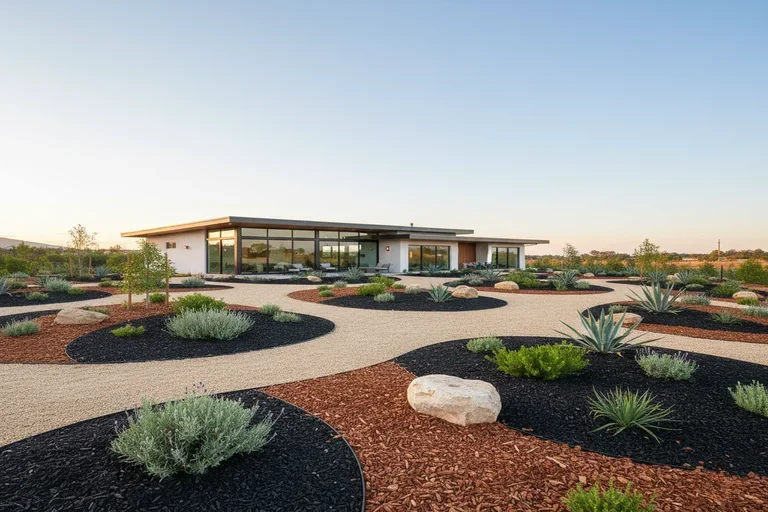
Fire Resistant Landscaping 10 Safe Garden Tips For Wildfire Areas
Wildfires are becoming more frequent and intense across the US and Australia, posing serious risks to homes and gardens. In response, homeowners are seeking ways to protect their properties without sacrificing beauty or functionality. Fire-resistant landscaping offers a practical and aesthetically pleasing solution. By choosing the right plants, designing defensible zones, and maintaining proper garden care, you can reduce fire risk while keeping your outdoor spaces vibrant and safe. In this blog, we’ll explore 10 essential tips, plant recommendations, and design strategies to create a garden that can withstand wildfires.
What is Fire-Resistant Landscaping?
Fire-Resistant Landscaping is the practice of designing outdoor spaces to minimize the risk of fire spreading to your home and property. Unlike traditional landscaping, it focuses on plant selection, spacing, moisture management, and the use of fire-resistant materials. This type of landscaping is crucial in wildfire-prone regions such as California, Australia, and parts of the Mediterranean, where dry conditions and high temperatures can turn gardens into potential fire hazards.
Why It Matters
- Protects property and family: Fire-resistant gardens act as a first line of defense, slowing the spread of flames near your home.
- Reduces insurance risks: Well-maintained, fire-safe landscaping can lower insurance premiums in high-risk areas.
- Supports climate-adapted gardening: Choosing drought-tolerant and fire-resistant plants aligns with sustainable gardening practices in hot, dry climates.
Top 10 Safe Garden Tips for Fire-Resistant Landscaping
Here’s a detailed guide to help homeowners in the US/Australia wildfire-prone regions create a safer garden:
1. Create Defensible Zones Around Your Home
This is the most critical area. Remove all plants, wood mulch, and other combustible materials—such as wooden patio furniture, firewood, and garbage bins—from this zone. Instead, use non-combustible hardscaping materials like gravel, concrete, pavers, or stone to build a clean, lean, and safe barrier. This setup gives firefighters safer access during emergencies.
2. Choose Fire-Resistant Plants
Choose plants that naturally hold more moisture, because they ignite much more slowly during wildfire heat. Options like lavender, aloe, agave, and rosemary work well in the USA and Australia fire zones. These plants reduce flame intensity and slow the spread of fire across the garden. Avoid highly flammable species such as juniper, pine, and eucalyptus near your home.
3. Space Plants Appropriately (5-30 feet from home)
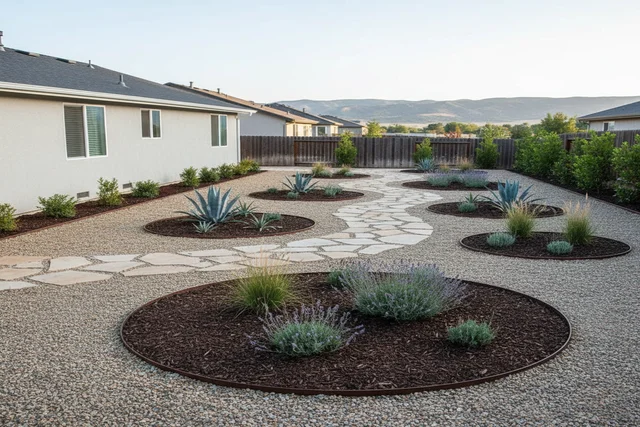
In this “reduced-fuel” zone, plants should be well-spaced so fire cannot easily jump from one to another. As a guideline, allow at least 10 feet between the crowns of mature trees. For shrubs, leave horizontal spacing equal to two to three times their mature height, and avoid dense clusters or solid hedges of vegetation. Avoid mass plantings or continuous rows—instead, opt for isolated plants or small “islands” separated by non-combustible hardscape (like gravel, stone, or bare soil) to break potential fuel continuity
4. Remove Dead and Dry Vegetation
Dry leaves, weeds, fallen branches, and dead shrubs act as fuel for wildfires. Clear them regularly to prevent flames from spreading quickly across your yard. Pay extra attention during summer and long-drought months when vegetation dries faster. Clean landscapes significantly increase home survival rates in fire-prone areas.
5. Use Hardscaping to Protect Property
Non-flammable elements such as stone walls, gravel pathways, driveways, and patios act as effective firebreaks, breaking up the continuity of vegetation and slowing fire spread. Use these features to create “islands” of plants rather than continuous garden beds. This layout also gives emergency teams better maneuvering space during wildfires.
6. Maintain a “Lean and Clean” Environment.
Regular maintenance is often more important than the exact choice of plants. Consistently clear out all dead leaves, pine needles, branches, and dry grass from your yard, roof, and gutters—especially during fire season—to minimize fire fuel. Also, remove dry mulch, dead wood, and any combustible debris around decks, fences, and other structures. Keep plants healthy and well-watered, prune overgrown or dead branches, and ensure no dry debris accumulates near or under plants
7. Keep Plants Well-Watered
Healthy, well-hydrated plants are far less likely to ignite than dry, drought-stressed ones. Installing a drip irrigation system helps water plants efficiently and keep soil moisture steady. Especially during peak fire season, make sure plants get extra water so their leaves and stems remain moist, which reduces their flammability and lowers fire risk.
8. Avoid Highly Flammable Trees Near Your Home
Trees like eucalyptus, pine, and cypress release oils that ignite rapidly when heated. Plant them only at safe distances, far from roofs and walls. If you want shade, choose lower-risk trees like maple or oak. Proper tree placement prevents crown fires from reaching your home.
8. Store Flammable Items Safely.
Keep firewood, propane tanks, and containers of flammable liquids at least 30 feet away from any building or structure. Also store plastic garbage bins, recycling bins, and other combustible containers away from the house—ideally in a non-combustible enclosure or at a safe distance. Doing so prevents embers or stray flames from easily igniting those materials and lowers the risk of fire spreading to your home.
9. Prune Regularly and Remove Lower Branches
Pruning reduces fuel buildup and prevents flames from climbing into tree canopies. Remove lower branches so ground fires can’t reach the upper sections of trees. Trim shrubs, hedges, and overgrown plants throughout the year, especially before fire season. Good pruning keeps your garden safer and more manageable during emergencies.
10. Maintain a Low-Height Lawn
Keeping your lawn short reduces how quickly fire can travel across your yard. Tall or dry grass ignites quickly and can produce strong flames that spread in seconds. Mow your grass regularly so it stays under 4–6 inches (or as recommended for your area)—especially during fire season. A well‑maintained, low lawn can act as a protective barrier around your home and reduce fire risk.
List Of Fire-Resistant Landscaping Plants
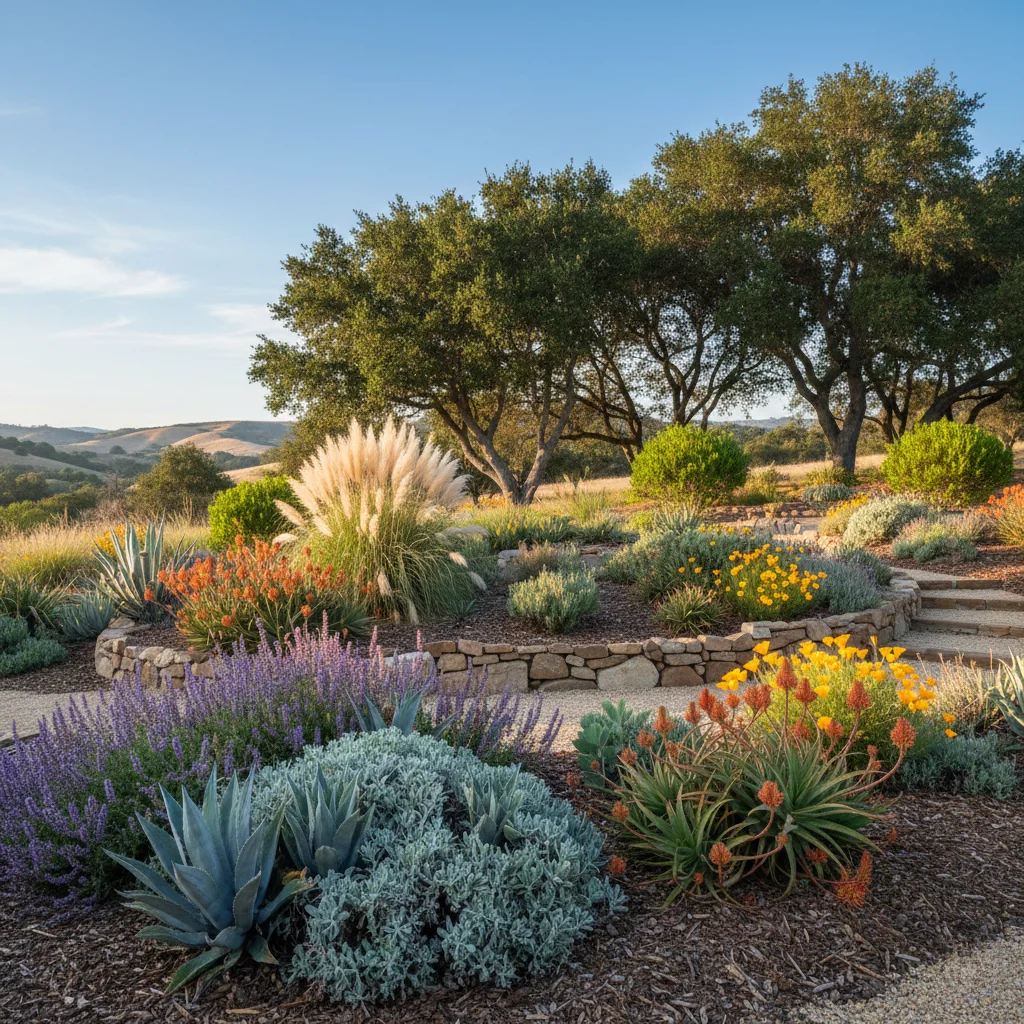
- Agave—Thick, moisture-rich leaves slow flame spread and stay stable in heat.
- Aloe Vera—High water content makes it one of the safest choices for fire-prone areas.
- Lavender—Low resin levels and aromatic yet fire-tolerant foliage make it a strong option.
- Rosemary (controlled)—Stays green year-round and burns slower when kept pruned and hydrated.
- Ice Plant—Groundcover that holds significant moisture and acts as a natural fire barrier.
- Rockrose (Cistus)—Performs well in dry climates and resists ignition when maintained properly.
- Sage (Salvia)—Soft, moist leaves reduce flame intensity and support pollinators.
- Boxwood – Dense, low-flammable shrub often used near defensible space zones.
- Maple (selected species)—Many maple types ignite more slowly than resin-heavy trees.
- Oak (selected species)—Strong hardwood structure resists fire better than softwoods.
- Succulents (general)—Perfect for borders because their water-filled leaves block fire movement.
- Native Australian Bottlebrush (Callistemon)—Lower flammability when pruned and watered regularly.
Why Wildfires Are a Growing Threat
Wildfires have always been a part of natural ecosystems, but climate change is making them more frequent and severe. In the western USA, states like California, Oregon, and Colorado face intense wildfire seasons due to dry summers and high winds. Similarly, Australia experiences catastrophic fires every year, particularly in regions such as New South Wales and Victoria, where dry eucalyptus forests fuel flames.
Human activities also increase the risk of wildfires. As suburbs expand, discarded cigarettes, poorly managed landscapes near homes, and careless handling of flammable material make it easier for fires to start and spread. For homeowners, recognizing these risks is the first step toward protecting property—and smart landscaping can play a significant role in reducing those risks.
Maintaining Your Fire-Resistant Garden
The layout of your garden plays a crucial role in fire prevention. Follow these design strategies:
Creating a fire-resistant landscape is just the first step; ongoing maintenance is crucial. Regularly inspect your plants for dryness, remove debris, and check irrigation systems. Seasonal preparation, especially before dry summer months, helps your garden remain resilient. Homeowners in California and Australia also monitor local wildfire alerts and adapt their garden maintenance routines accordingly.
Common Mistakes to Avoid
Planting high-flammability species near the home
Many homeowners unknowingly place highly flammable plants—like pine, juniper, or eucalyptus—close to walls, windows, and decks. These plants ignite quickly and can carry flames straight to your home during a wildfire. Always keep such species away from the first defensible zone to reduce fire risk.
Ignoring spacing and defensible zones around structures
Crowded plants allow fire to travel easily from one area to another, especially in dry, windy weather. Without proper spacing, even fire-resistant plants can become hazardous. Maintaining defensible zones ensures flames slow down before reaching your home.
Using combustible mulch—or letting dead leaves
Dry grass and other debris build up around your garden—can greatly increase the fire risk. Fine mulches (like pine needles, shredded bark, or wood chips) and accumulated garden waste can easily ignite and help fire spread quickly across the ground.
Neglecting seasonal irrigation and pruning
Drought-stressed plants become brittle and highly flammable, especially during extreme heat. Skipping regular watering and pruning allows dry branches and leaves to build up. Seasonal care strengthens your plants and keeps your garden safer during wildfire season.
Wildfires are a real and increasing threat in many parts of the USA and Australia. By implementing fire-resistant landscaping principles and following the 10 safe garden tips, homeowners can protect their property, reduce fire risk, and maintain an attractive outdoor space. Proactive planning today not only safeguards your home but also contributes to community safety in wildfire-prone regions.
Read more related blog> https://www.climatechallange.com/prevention-and-control-of-plant-diseases-tips-for-healthy-plants/
FAQS
Q1: What makes a plant fire-resistant?
Ans. Fire-resistant plants have high moisture in their leaves and stems and low oils or resins, reducing flammability. Succulents, rosemary, and yarrow are excellent examples.
Q2. What is the best fire-resistant ground cover?
Ans. You can maintain or even improve fire‑resistance by watering appropriately and keeping plant irrigation consistent. Succulents such as Aloe, Agave, and various cactus species — along with drought‑tolerant plants like Yucca and certain low‑growing groundcovers from approved fire‑resistant plant lists — are among the best plant types for resisting wildfire. These plants store water in their leaves or stems, have low sap/resin/oil content, and are less likely to ignite or carry fire when properly handled.
Q3. Does fire-resistant landscaping eliminate the need for emergency planning?
Ans. While fire-resistant landscaping reduces risk, it should complement other safety measures, such as having an evacuation plan, emergency kits, and monitoring local wildfire alerts.