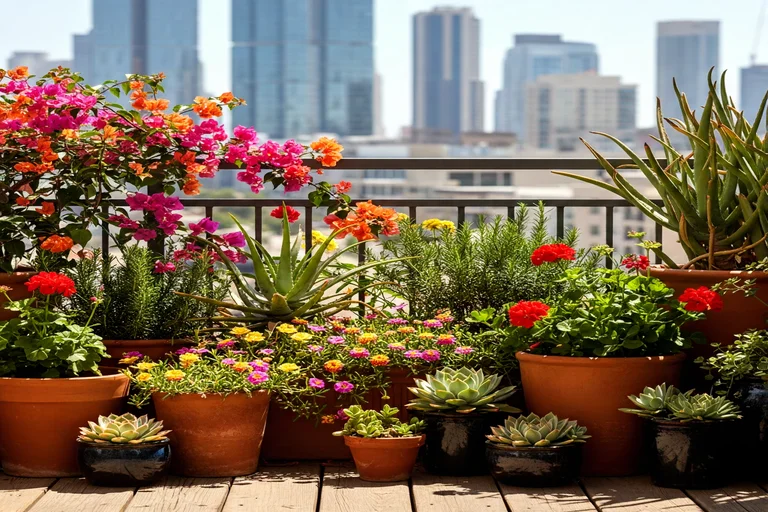
Heat Tolerant Plants For Balcony Gardening 10 Best Picks for 2026
Finding the right heat-tolerant plants for balcony gardening is essential for urban gardeners in 2026. Rising temperatures are reshaping how and what we grow, and 2025’s record-breaking heatwaves proved climate change affects home gardening now, not later.
Balconies heat up faster than ground-level gardens, soil dries quickly, and direct sunlight becomes harsh within hours. After watching my own balcony garden struggle through last summer’s extreme heat, I’ve personally tested which plants can actually withstand temperatures of 45°C.
The good news is that several hardy species don’t just survive intense conditions—they thrive in them. These 12 best picks are perfect for city dwellers who want to keep their spaces green despite a hotter future.
Why You Need Heat-Tolerant Plants for Your Balcony Garden
Balcony gardening comes with unique challenges that traditional gardens rarely face. Elevated spaces receive stronger sunlight, reflected heat from concrete, and limited airflow, all of which increase stress on plants. During summer, pots can heat up rapidly, causing moisture to evaporate much faster than expected. This makes daily maintenance difficult, especially for people with busy schedules.
Heat-tolerant plants are adapted to such conditions. They usually have deeper root systems, thicker leaves, or natural drought resistance that allows them to conserve water. For full-sun balcony plants and south-facing balconies, these qualities are essential. Choosing the right plants reduces water use, lowers plant loss, and makes balcony gardening more sustainable as extreme heat events become more frequent.
12 Best Heat-Tolerant Plants for Balcony Gardening (2026 List)
After experimenting with different species during the scorching summer of 2025, I discovered that these particular plants are true survivors. Each one on this list has impressed me with its ability to remain vibrant and healthy, even when my balcony felt like an oven.
1. Bougainvillea (The Sun-Loving King)
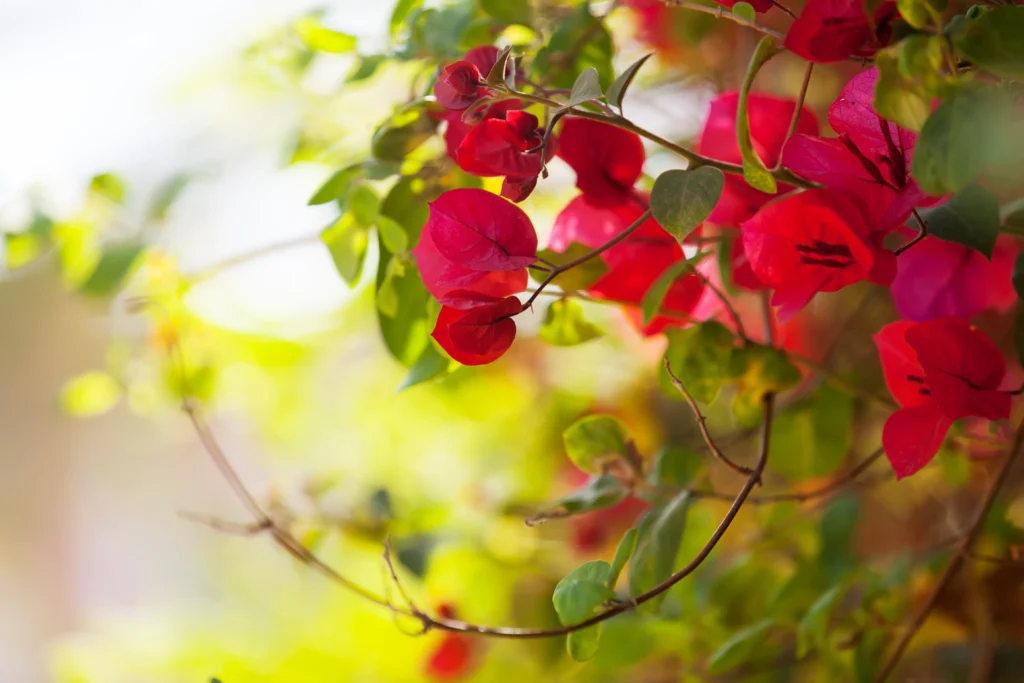
Bougainvillea is one of the most beloved heat‑loving plants for sunny balconies. Its vibrant, paper‑like bracts bloom abundantly in warm conditions and require very little water once established. This plant is perfect for south-facing balconies, where sunlight is intense throughout most of the day.
Plant Info:
- Heat Tolerance: Can comfortably withstand temperatures up to ~45–48°C and more in dry, sunny conditions.
- Commonly Found: Native to tropical South America; widely grown in Mediterranean climates, the Southwestern United States, Australia, and parts of Africa and Central America.
2. Adenium or Desert Rose (Drought‑Proof Beauty)
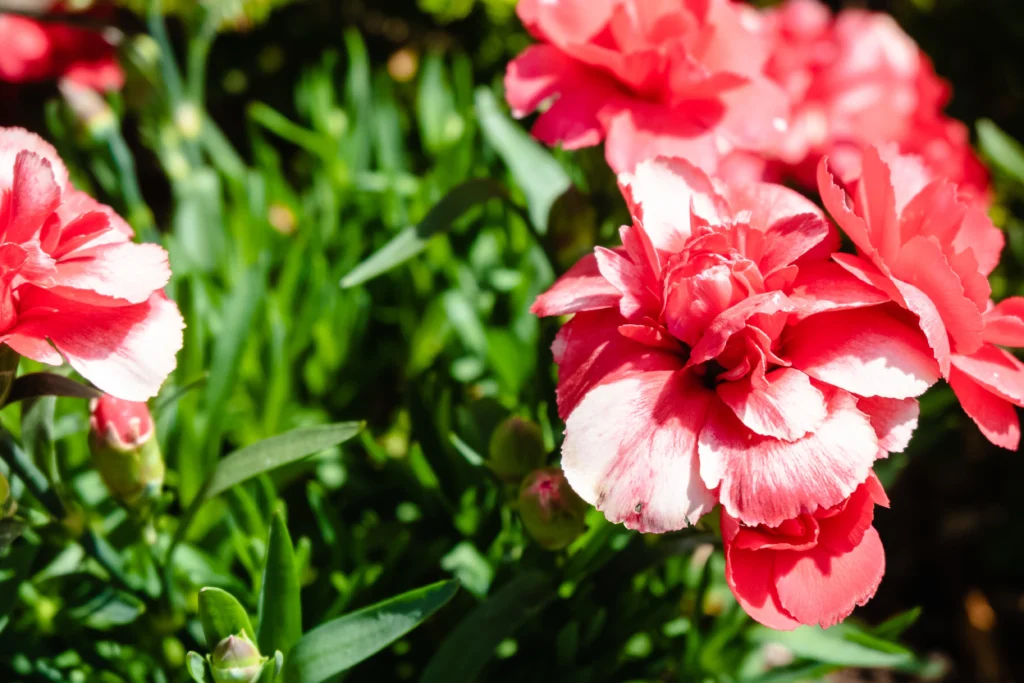
Adenium, known for its thick trunk and striking flowers, is built to withstand extreme heat. It stores water in its swollen stem, enabling it to survive long periods of drought. For balcony gardeners seeking low-maintenance summer plants, the Desert Rose is both beautiful and resilient.
Plant Info:
- Heat Tolerance: Very high; thrives in temperatures often exceeding 40–45°C with minimal water.
- Commonly Found: Native to arid regions of East and South Africa and parts of the Arabian Peninsula. Adapted to hot, dry environments, the desert rose thrives in conditions where many other plants would struggle.
3. Portulaca / Moss Rose (Ground Cover for Pots)
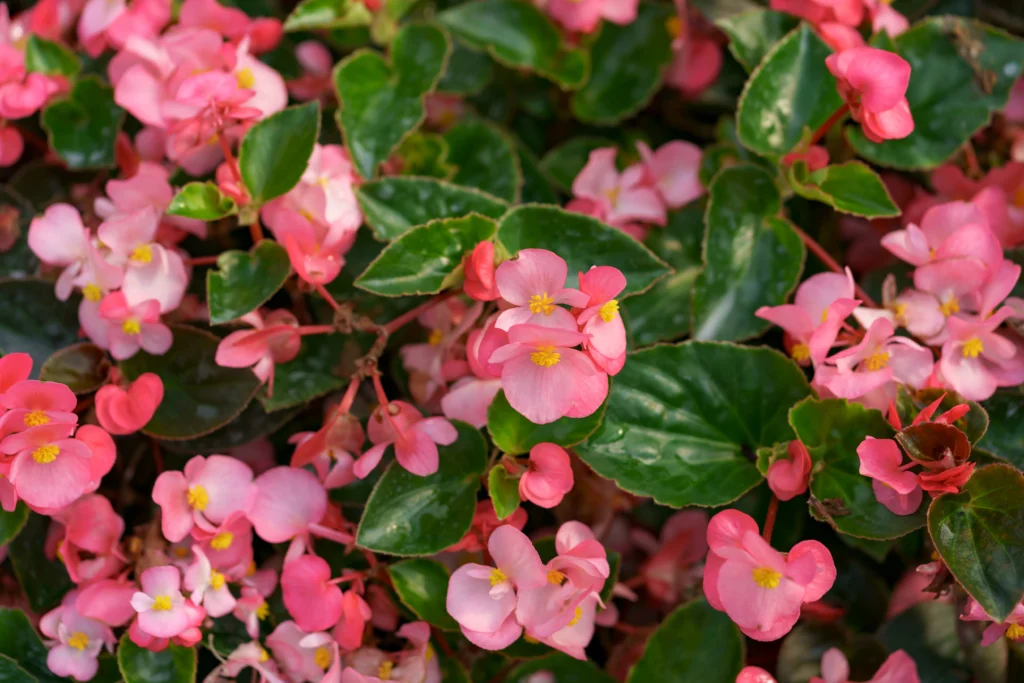
Portulaca is a low-growing, vibrant flowering plant that thrives in intense heat and full sun. Its succulent leaves help it retain water, and its bright blooms open during the day, making it an excellent choice for low-maintenance summer plants in balcony pots.
Plant Info:
- Heat Tolerance: Portulaca can often withstand sustained high heat in the low to mid-40°C range, as long as it is watered appropriately.
- Commonly Found: Native to Madagascar and tropical regions of Africa, Portulaca is widely cultivated in warm climates around the world.
4. Snake Plant (Tough and Air‑Purifying)
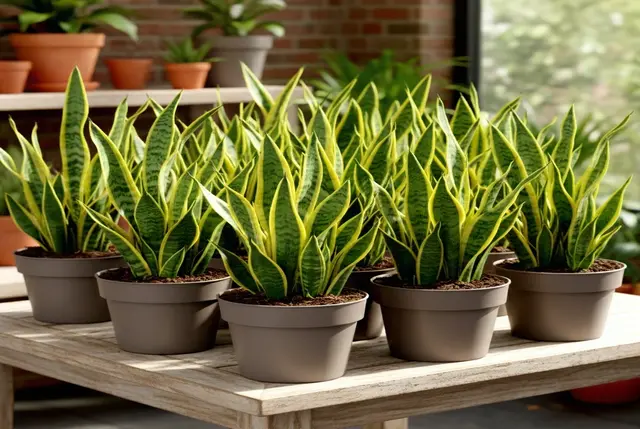
Snake Plant (Sansevieria) is nearly indestructible and perfect for urban balconies that receive blazing sun. It can withstand neglect, requires minimal water, and thrives in intense heat. Furthermore, it improves air quality, making it an excellent choice for apartment gardening.
Plant Info:
- Heat Tolerance: The Snake Plant survives well above 40°C and can endure heat stress that would cause many other houseplants to wilt.
- Commonly Found: Native to West Africa; extensively grown worldwide as a hardy ornamental and indoor plant.
5. Gaillardia (Blanket Flower)—Vibrant Heat Resister
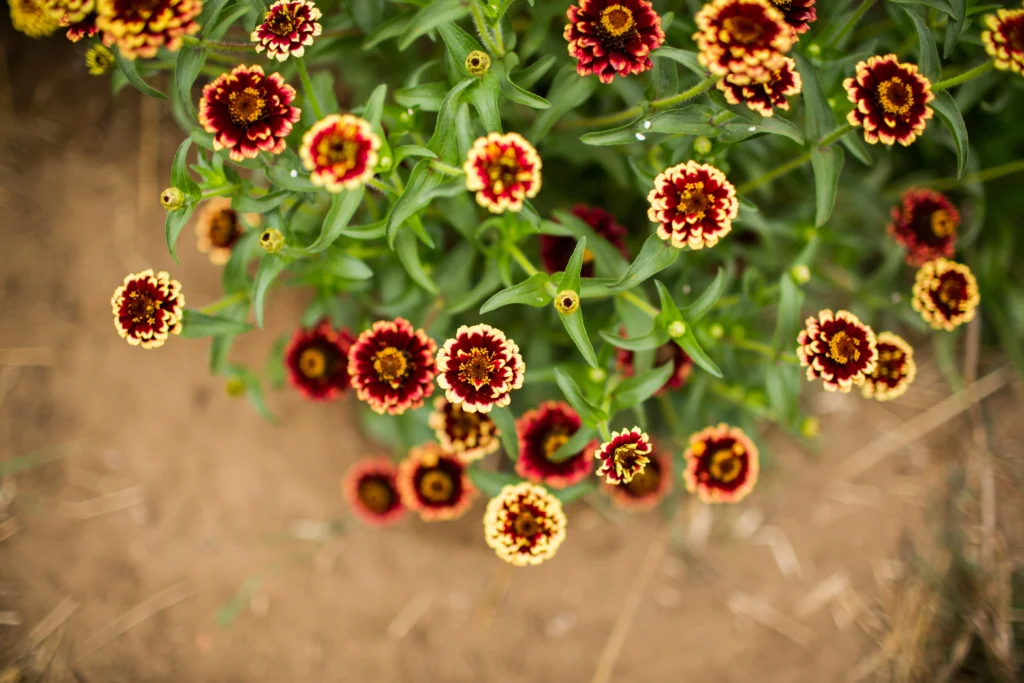
Gaillardia loves sun and heat, producing bright, daisy-like flowers throughout summer. It doesn’t require frequent watering and adapts well to containers. This makes it suitable for balconies exposed to prolonged sunlight.
Plant Info:
- Heat Tolerance: Gaillardia is adapted to withstand high summer heat, often above 35–40°C, and can thrive in poor soil and drought conditions.
- Commonly Found: Native to North and South America; popular in gardens across hot regions like the U.S. Southwest and Mediterranean climates.
6. Lantana (Butterfly Magnet)
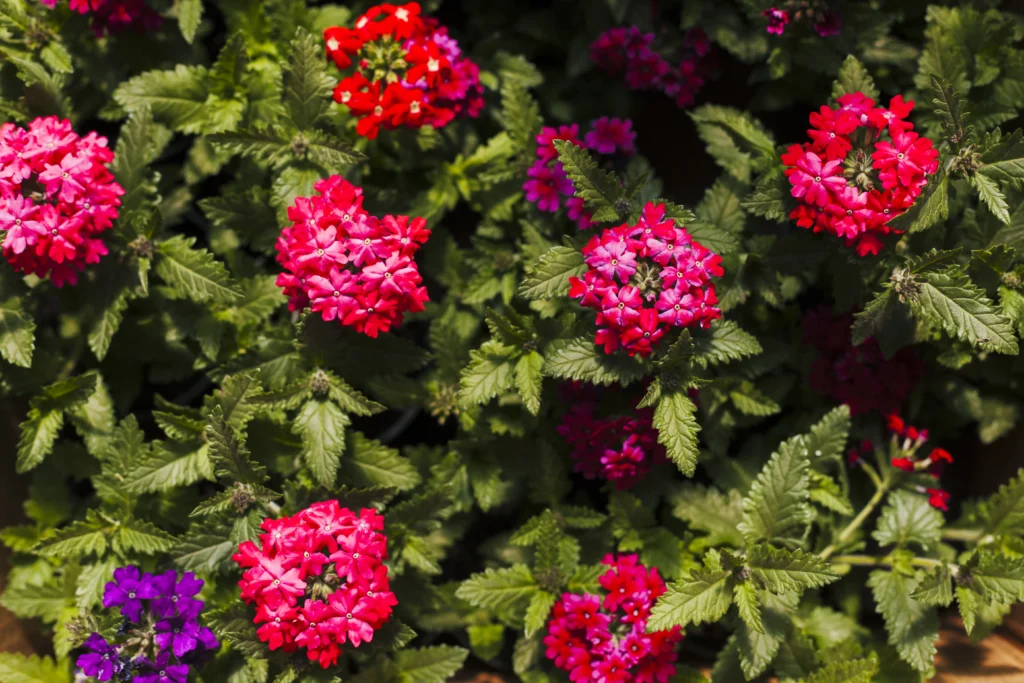
Lantana thrives in extreme heat and continues flowering when temperatures soar. Its colorful clusters attract pollinators and add movement to balcony gardens. Once established, it requires very little care.
Plant Info:
- Heat Tolerance: The plant handles extreme heat well, often thriving in temperatures above ~40°C.
- Commonly Found: Native to tropical regions of the Americas, it is widely cultivated in warm climates around the world.
7. Lavender (Fragrant and Hardy)
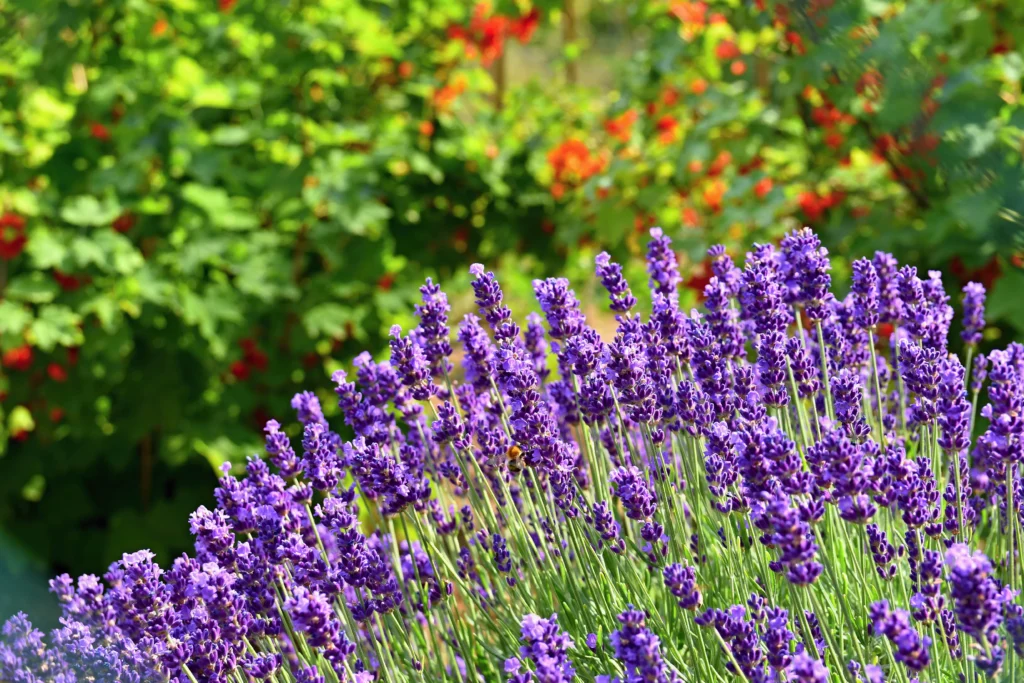
Lavender thrives in hot, dry conditions and full sunlight, making it best for balcony pots. Its fragrant blooms attract pollinators while adding visual charm. With well-drained soil and minimal watering, it handles summer heat effortlessly.
Plant Info:
- Heat Tolerance: Lavender flourishes under hot Mediterranean conditions, often tolerating temperatures up to ~35–40°C or higher in well-drained sites.
- Commonly Found: Native to the Mediterranean region, it is widely grown in warm parts of Europe, Australia, and North America.
8. Zinnia (Fast‑Growing Summer Bloomer)
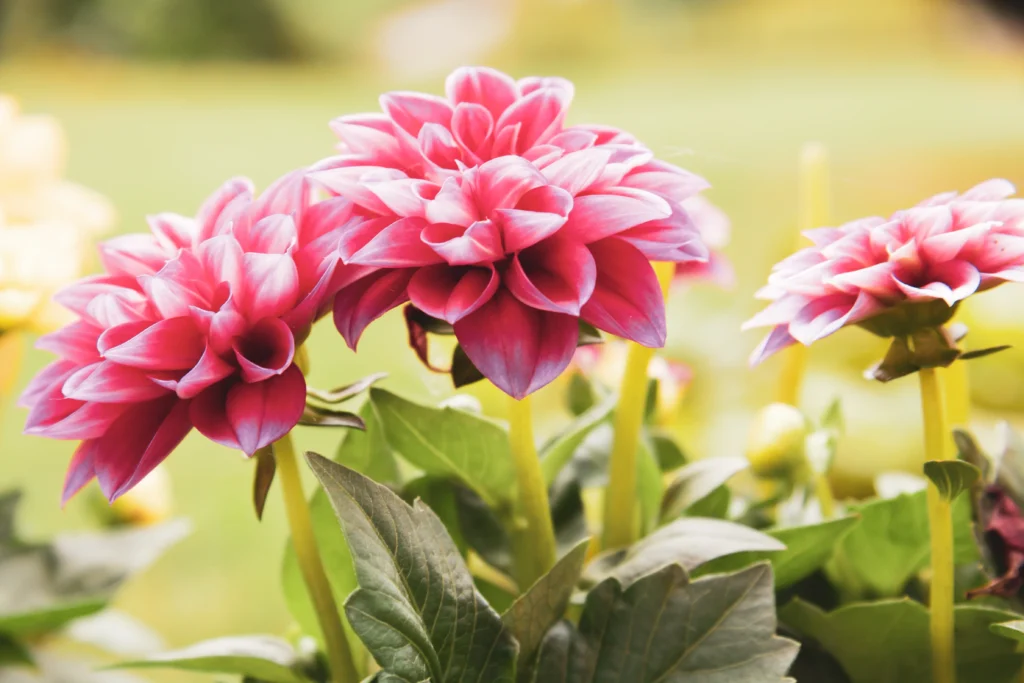
Zinnias are vibrant, fast-growing annuals that brighten any balcony garden. They thrive in full sun and withstand high temperatures without losing blooms. These low-maintenance plants grow quickly in containers and produce colorful flowers all summer. Their resilience makes them ideal for urban gardeners facing extreme heat.
Plant Info:
- Heat Tolerance: The plant performs well in hot weather, often thriving above ~35–40°C with adequate light and airflow.
- Commonly Found: Native to the Southwestern United States, Central, and South America, it is widely grown in warm seasonal climates.
9. Agave (Architectural and Tough)
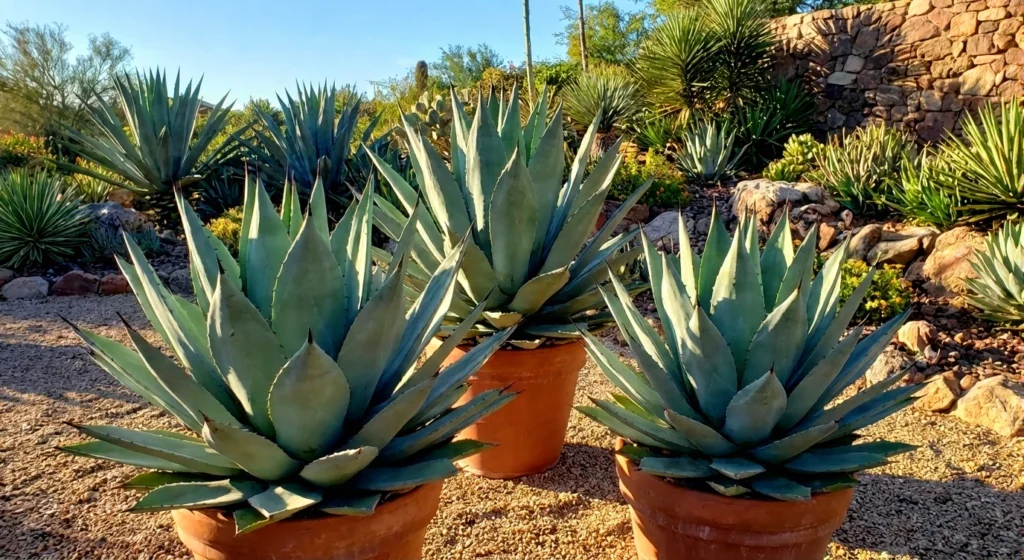
Agave is a striking succulent with thick, water-storing leaves built to thrive in extreme heat and drought. Once established, it requires minimal care and adds a bold, modern texture to balcony designs.
Plant Info:
- Heat Tolerance: Excellent; agave tolerates prolonged high temperatures well above 40°C with minimal water.
- Commonly Found: Native to the Americas, particularly Mexico and the southwestern United States, agave is a popular choice in desert landscaping.
10. Aloe Vera (Medicinal and Heat Friendly)
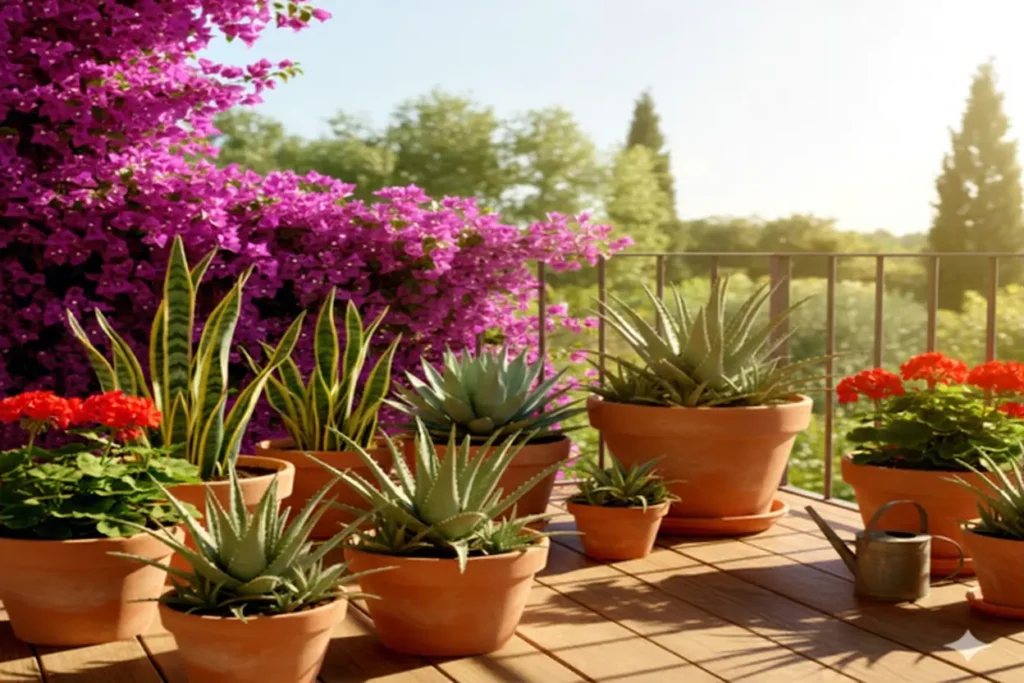
Aloe vera is a resilient succulent that thrives in hot, sunny conditions with minimal care. Its thick, water-storing leaves help it survive drought and extreme heat. Besides being heat-tolerant, it also provides medicinal benefits for skin and minor burns.
Plant Info:
- Heat Tolerance: Aloe vera handles temperatures above ~40°C with direct sun exposure.
- Commonly Found: Native to the Arabian Peninsula, Aloe Vera is cultivated in warm climates worldwide for both ornamental and medicinal use.
How to Care for Your Balcony Garden During Extreme Heatwaves
As summers grow hotter, proper care becomes just as important as plant selection. Following smart strategies helps plants survive prolonged heat stress.
Choosing the Right Pots (Terracotta vs Plastic)
Terracotta pots allow better airflow but dry out faster, while plastic pots retain moisture longer. During intense heatwaves, plastic or glazed pots often work better for balconies because they reduce rapid water loss.
Proper Mulching Techniques to Retain Moisture
Mulching helps regulate soil temperature and slows evaporation. A thin layer of organic mulch can greatly reduce water stress during peak summer months, especially during the heatwaves expected in 2026.
Best Time to Water Your Balcony Plants
Early morning watering is the most effective. It allows plants to absorb moisture before temperatures rise and reduces evaporation. Avoid watering during midday heat, as it can shock plant roots.
While protecting your plants from heat, you should also consider safety. Check out our guide on fire-resistant landscaping for wildfire protection to make your balcony greener and safer at the same time.
For detailed plant-specific heat tolerance guidance, horticulture experts at The Old Farmer’s Almanac provide reliable, research-backed growing advice.
As global temperatures continue to rise, balcony gardening in cities requires smarter plant choices. Finding the right heat-tolerant plants for balcony gardening is no longer optional—it’s essential for sustainable urban living in 2026 and beyond. By selecting plants that thrive in extreme heat and following simple care strategies, you can enjoy a vibrant, low-maintenance balcony garden even during harsh summers. These resilient plants prove that greenery can survive—and flourish—even in a warming world.
Read more related articles: https://www.climatechallange.com/low-water-plants-for-rooftop-gardens-in-dry-climates/
FAQs
Q1. Which plant can survive 45-degree heat on a balcony?
Ans. Plants like bougainvillea, adenium, portulaca, and snake plant can survive and even thrive in temperatures above 45°C. These plants are naturally adapted to conserve water and tolerate intense sunlight, making them ideal for hot balconies.
Q2. How can I protect my balcony plants from scorching sun?
Ans. Using heat-tolerant plants is just the first step. To further reduce heat stress, water early in the morning, use mulch, and opt for moisture-retaining pots. Creating temporary shade during the peak afternoon hours can also be beneficial during extreme heat waves.
Q3. What is the ideal temperature range for most horticultural plants?
Ans. To avoid excessively long production times, plants should generally be grown at warm temperatures between 70°F and 75°F. Growing cold-sensitive crops at these temperatures can actually reduce the amount of energy needed for heating on a per-crop basis compared to growing them at cooler temperatures.