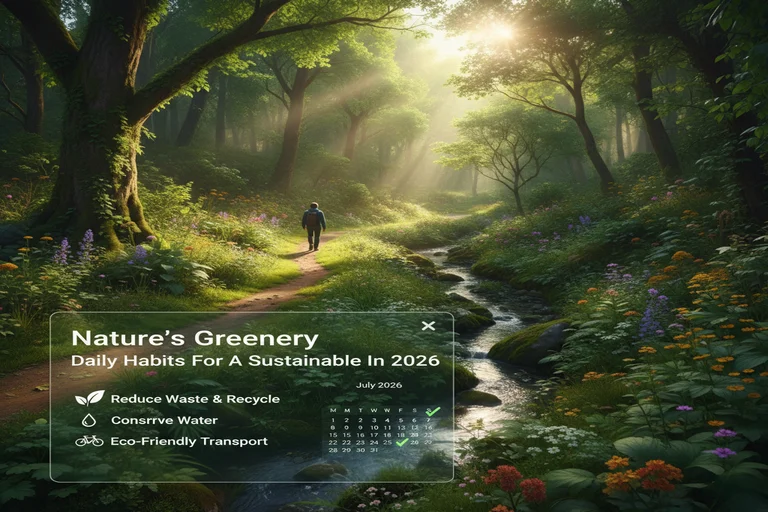
Daily Green Habits That Support a Sustainable 2026
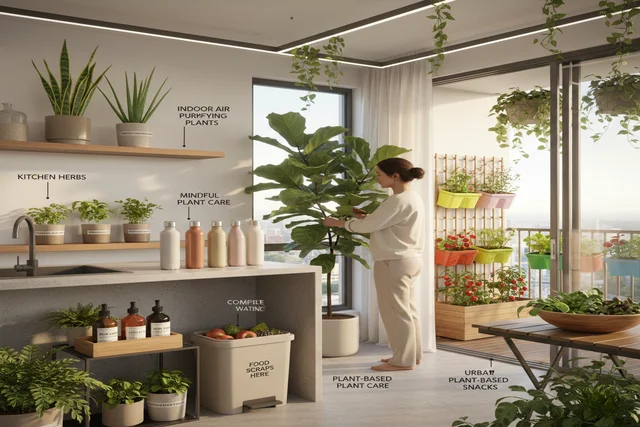
1. Indoor Air-Purifying Plants
Indoor air pollution is one of the hidden problems of modern living. Homes trap dust, chemicals, and toxins released from furniture, cleaners, and electronics. Nature’s Greenery offers a simple solution through indoor plants that naturally purify the air.
Snake plants and aloe vera are among the most effective and low-maintenance options. Snake plants absorb toxins like formaldehyde and carbon dioxide while releasing oxygen, even at night. This makes them ideal for bedrooms and workspaces. Aloe vera not only improves air quality but also provides a soothing gel that can be used for minor burns and skin care.
Adding just two or three air-purifying plants can make indoor spaces feel fresher and calmer. Over time, people often report fewer headaches, better sleep, and improved focus. These benefits make indoor plants a practical step toward sustainable living, especially for those who spend most of their day indoors.
2. Sustainable Kitchen Gardening
Kitchen gardening is gaining renewed attention in 2026 as food prices rise and people question where their food comes from. Growing small herbs at home is one of the easiest ways to practice Nature’s Greenery without needing a backyard.
Herbs like basil, mint, coriander, and rosemary thrive in small pots and require minimal care. A sunny window, light watering, and basic soil are enough to get started. These herbs reduce dependency on plastic-packed grocery items and cut down food waste, since you only harvest what you need.
Sustainable kitchen gardening also builds awareness about seasonal eating. When people grow their own herbs, they naturally start respecting growth cycles and resource limits. This habit fits perfectly into an eco-friendly lifestyle in 2026, where conscious consumption is becoming the norm rather than the exception.
3. Eco-friendly Balcony Decor
Balconies are often overlooked, but they have great potential for urban gardening. With a few simple and thoughtful changes, you can turn your balcony into a green retreat that boosts mental well-being while also supporting environmental sustainability.
Using recycled pots, old containers, or repurposed household items reduces waste while adding character to the space. Instead of buying new plastic planters, people are now turning buckets, jars, and wooden boxes into creative plant homes. This approach blends sustainability with personal expression.
Balcony plants also help cool surrounding areas, especially during hot months. Greenery absorbs heat and improves airflow, reducing the need for constant air conditioning. In crowded cities, these small green spaces collectively contribute to better urban climate resilience.
4. The Connection Between Greenery and Mental Health
The connection between greenery and mental health is no longer just a feeling; it is supported by growing research. Nature’s greenery plays a calming role in a world filled with screens, notifications, and constant noise. Even brief exposure to plants can reduce stress levels and improve mood.
Plants encourage slower, more mindful routines. Watering, pruning, or simply observing growth helps people pause and disconnect from digital overload. Daily interaction with nature helps restore the sense of balance that is often missing in modern urban lifestyles. Over time, these moments of calm can reduce anxiety and emotional fatigue.
In 2026, mental health is recognized as a core part of sustainable living. A healthy mind supports better decision-making, empathy, and long-term thinking. By bringing greenery into daily life, people are not just decorating spaces; they are building emotional resilience. Nature’s Greenery quietly supports well-being without demanding time, money, or drastic lifestyle changes.
In recent years, scientific research has strongly supported the role of greenery in creating healthier living environments. According to environmental studies, indoor plants help reduce airborne pollutants while also improving humidity levels, which is especially important in sealed urban homes. Global environmental organizations have highlighted how small-scale urban greenery, such as balcony plants and home gardens, can collectively reduce heat stress in cities and support local biodiversity. The United Nations Environment Programme has also highlighted that integrating nature into daily life is a key step toward building climate-resilient and sustainable communities in the coming years.
5. Choose Green Transportation Whenever Possible
Transportation remains a major source of emissions. While not everyone can switch entirely to electric vehicles, small daily transport choices matter.
Walking, cycling, or using public transport even a few times a week reduces fuel use and air pollution. Tree-lined walking paths and green streets also make these choices more inviting, creating a positive loop between greenery and sustainability.
In cities investing in urban greenery, people are naturally more likely to walk and bike.
6. Sustainable Food Choices Rooted in Green Living
Food decisions are among the most impactful daily sustainability choices.
Grow What You Can
Even small-scale gardening supports sustainability. Herbs on a windowsill, vegetables in containers, or community garden participation all reduce reliance on long supply chains.
Growing food:
Cuts packaging waste
Reduces transport emissions
Builds appreciation for natural resources
In 2026, urban gardening is emerging as a quiet yet powerful solution to climate challenges.
7. Nature’s Greenery and Urban Gardening in 2026
Urban gardening has evolved from a niche hobby into a practical response to modern challenges. As cities face rising temperatures and limited green zones, residents are turning rooftops, balconies, and shared spaces into small gardens. Nature’s Greenery is at the center of this shift.
Urban gardening improves local biodiversity by attracting birds, bees, and beneficial insects. Even a few flowering plants can support pollinators that struggle to survive in concrete-heavy environments. This creates a ripple effect, where individual actions contribute to healthier urban ecosystems.
Technology is also supporting this movement. Smart watering systems, composting solutions, and lightweight soil mixes make urban gardening more accessible than ever. These tools help people maintain plants efficiently while conserving resources, aligning perfectly with the values of sustainable living and eco-friendly lifestyles in 2026.
8. Green Living at Home: Practical Steps
Homes are where sustainability habits form and stick.
Reduce Energy With Natural Cooling
Plants shade buildings, cool the surrounding air, and reduce the need for air conditioning. Strategically placed greenery around homes can lower indoor temperatures during heatwaves.
Using curtains, natural airflow, and shaded outdoor areas complements this effect.
9. Save Water Through Smart Green Practices
Water is becoming a critical climate issue. Greenery promotes mindful water use, from harvesting rainwater for your plants to selecting drought-tolerant plants.
Efficient watering habits protect both plants and local water systems.
Impact on Local Communities and Environment
When individuals adopt green habits, communities change.
- Neighborhoods with trees experience lower heat stress
- Green spaces encourage social interaction
- Biodiversity improves even in urban areas
In a sustainable 2026, greenery becomes shared infrastructure—supporting both people and ecosystems.
10. Teaching the Next Generation Green Values
Teaching children to care for nature is one of the most powerful long-term steps toward a sustainable future. When children grow up surrounded by plants, trees, and green spaces, they naturally develop respect for the environment. These early experiences quietly shape how they think about waste, consumption, and responsibility as they grow older.
Simple daily activities like planting seeds, watering plants, or spending time in parks help children understand that nature is alive and needs care. This hands-on connection builds patience, empathy, and environmental awareness in a way that books and screens cannot. Children who regularly interact with greenery are more likely to value clean air, healthy soil, and sustainable food systems as adults.
In 2026, when digital screens dominate much of childhood, access to greenery provides a healthy balance. Schools and communities that include green spaces create better learning environments and encourage curiosity beyond technology. According to UNICEF’s research on children and climate change, early exposure to nature plays a critical role in shaping lifelong environmental values and resilience in young minds:
By weaving greenery into everyday routines at home and in schools, we nurture a generation that views sustainability not as a rule or duty, but as a natural and essential way of living.
Nature’s greenery reminds us that sustainability is not about dramatic gestures. It’s about daily habits repeated with intention. In 2026, the most powerful climate actions often happen quietly — through plants on balconies, trees on streets, and choices made at home.
By integrating greenery into everyday life, we support cleaner air, healthier communities, and a more resilient planet. Sustainability doesn’t start with policy alone. It starts with people — and it grows, one green habit at a time.
Read more related articles: https://www.climatechallange.com/10-ways-to-teach-kids-about-the-environment/
FAQs
Q1. Why is nature’s greenery important for a sustainable future?
Ans. Nature’s greenery helps absorb carbon dioxide, improve air quality, and reduce heat in cities. It also supports biodiversity and makes communities more resilient to climate change.
Q2. How can daily habits involving plants help the environment?
Ans. Caring for plants and embracing green spaces helps reduce energy consumption and pollution over time. These small habits collectively support long-term environmental balance.
Q3. Can small green actions really make a difference in 2026?
Ans. Yes, when many people adopt green habits together, the impact becomes significant. Collective action helps lower emissions and improve local climate resilience.