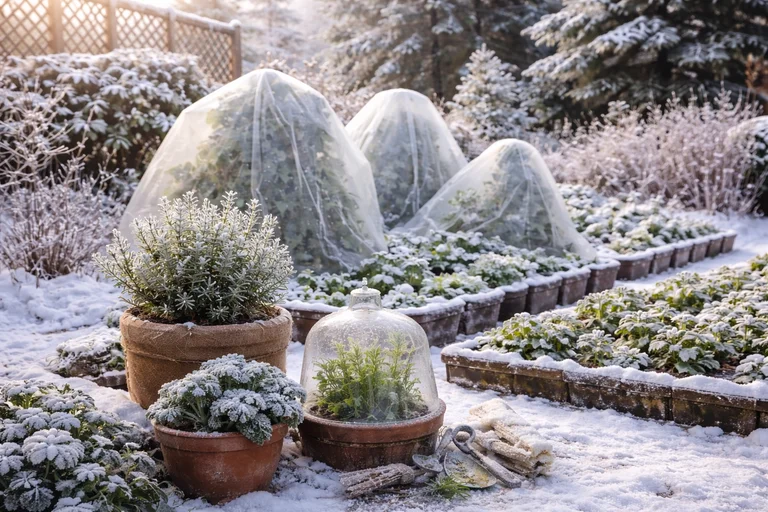
Winter Garden Protection Save Your Plants From Arctic Blast
The 2026 Arctic Blast has sent shockwaves across the United States, leaving backyard enthusiasts scrambling to save their green spaces. In this extreme climate shift, Winter Garden Protection is no longer just a seasonal chore; it is a critical survival strategy for your landscape. Whether you are dealing with delicate perennials or hardy shrubs, understanding how to shield your soil from sub-zero temperatures is the difference between a thriving spring bloom and a garden full of brown, brittle stems.
Many gardeners ask, “What plants need protection in winter?” While native trees might stand tall against the frost, succulent-leaved plants, young saplings, and tender perennials are at high risk. When the mercury drops rapidly, the water inside plant cells can freeze, causing the cell walls to burst. To prevent this, you need a multi-layered approach that goes beyond just throwing an old blanket over your flower bed.
Essential Winter Garden Protection Tips
Before the frost hardens the ground, you must implement a few professional winter garden protection tips to create a thermal barrier. The first step is deep hydration. It sounds counterintuitive, but moist soil stays warmer than dry soil. Water acts as an insulator; when the ground is wet, it radiates heat upward during the night, keeping the root zone several degrees warmer than the surrounding air.
Another common question from beginners is, “What to put in the garden for winter to ensure maximum safety?” The answer lies in high-quality insulation materials. Move away from thin plastics, which can actually conduct cold directly onto the foliage. Instead, opt for breathable fabrics or heavy-duty frost blankets. These materials trap the earth’s natural heat while allowing moisture and air to circulate, preventing moisture buildup that leads to rot.
What Plants Need Protection in Winter?
Not every plant requires the same level of intervention. To master winter garden protection, you must categorize your garden into three risk zones:
- Tender Perennials: Plants like fuchsias, geraniums, and certain lilies cannot survive a hard freeze. These require the most insulation or should be moved indoors.
- Young Trees and Shrubs: Even if a species is hardy, a young tree has thin bark that can split under “frost crack” conditions. Wrapping the trunks of saplings is vital.
- Broadleaf Evergreens: Plants like azaleas and camellias continue to lose moisture through their leaves even in winter. Without protection from biting winds, they suffer from “winter burn.”
What to Put in the Garden for Winter: The Material Guide
- Burlap and Frost Blankets: These are the gold standard. They provide a physical barrier against wind while allowing the plant to breathe.
- Mulch (The Ground Shield): Apply a 4-inch layer of wood chips, straw, or shredded leaves. This acts as a blanket for the root system, preventing the “freeze-thaw” cycle that pushes plants out of the ground.
- Cloches and Cold Frames: For smaller vegetables or delicate flowers, glass or plastic domes (cloches) create a mini-environment that stays significantly warmer than the outside air.
Strategic Windbreaks and Microclimates
The Arctic Blast isn’t just about the temperature; it’s about the wind chill. Shifting winds can strip moisture from plants faster than they can absorb it from the frozen ground. Creating temporary windbreaks using snow fencing or even stacked hay bales can redirect the freezing air away from your most prized specimens.
By understanding the microclimates in your yard, such as the south-facing wall of your house, which retains heat, you can strategically place your most sensitive plants in “warm spots” to enhance your winter garden protection efforts.
Long-Term Resilience: Thinking Beyond the 2026 Blast
While our immediate reaction to a freeze is often a panicked run for blankets, true Winter Garden Protection is actually a marathon, not a sprint. To build a garden that doesn’t just survive but thrives, you have to look at the “bones” of your landscape. It all starts with soil health. Healthy, organic-rich soil has a better structure, which allows it to trap air pockets that act as natural insulation for the roots.
Another pro tip is to pay close attention to your local USDA Hardiness Zones. I always tell fellow gardeners that planting a tropical palm in a Zone 6 backyard is a recipe for heartbreak. By choosing native species that have evolved to handle your specific regional temperature swings, you reduce your workload significantly. Also, let’s talk about timing: many people make the mistake of fertilizing late in the season. Avoid nitrogen-rich fertilizers in late autumn. Why? Because nitrogen encourages fresh, tender green growth. That new growth is like a magnet for frost; it has no “bark” or toughness, and the first freeze will turn it to mush, potentially killing the entire plant.
The Ultimate Checklist for Winter Garden Protection: Emergency Steps
1. Hydrate Early (The Noon Watering): Most people think plants need less water in winter. That’s a myth. Water your garden deeply in the early afternoon while the sun is still out. Moist soil absorbs more solar radiation than dry soil. This moisture then re-radiates heat throughout the night, keeping the air around your plants just a few degrees warmer—which is often the difference between life and death.
2. The “Doughnut” Mulching Method: Grab your wood chips, straw, or pine needles and apply a 4-inch thick layer around the base of your plants. But here is the secret: don’t let the mulch touch the stem. Create a “doughnut” shape where the mulch is thick around the root zone but has an inch of breathing room near the trunk. This prevents trapped moisture from causing bark rot or fungal issues.
3. The Sunset Cover-Up: Don’t wait until it’s dark and freezing to cover your plants. Head out just before sunset. By covering them while the ground is still warm from the afternoon sun, you “capture” that radiant heat inside your frost blanket.
4. Seal the Perimeter: A loose cover is useless if the wind gets underneath it. Use bricks, heavy stones, or landscape staples to pin your covers firmly to the ground. You want to create a “tent” effect where the heat coming out of the earth stays trapped around the plant’s foliage.
In conclusion, Winter Garden Protection is an investment in your home’s future beauty. By taking the time to understand what plants need protection in winter and knowing exactly what to put on garden for winter, you are acting as a steward of the environment. The 2026 Arctic Blast may be severe, but with these winter garden protection tips, your backyard will survive and thrive.
For more detailed regional data and weather-specific planting dates, always consult credible sources like the National Weather Service or the USDA Plant Hardiness Zone Map. These organizations provide the scientific data needed to make informed decisions for your climate-resilient garden.
Read more related articles: https://www.climatechallange.com/how-to-protect-your-garden-from-wildfire-smoke/
FAQS
Q1. How can I provide the best winter garden protection for my plants?
Ans. The most effective way to provide winter garden protection is by using a combination of deep mulching and breathable frost covers. Water your soil thoroughly before a freeze to help it retain heat and ensure you cover your plants before sunset to trap the ground’s natural warmth.
Q2. What to put on garden for winter to prevent frost damage?
Ans. When deciding what to put on the garden for winter, experts recommend using burlap, heavy-duty frost blankets, or even old bedsheets. Avoid using plastic that directly touches the foliage, as it can trap moisture and conduct cold, which may lead to plant rot or deeper freezing.
Q3. What plants need protection in winter during an Arctic Blast?
Ans. You should prioritize what plants need protection in winter based on their hardiness. Tender perennials, tropical plants, young saplings, and potted shrubs are the most vulnerable. Hardy native plants usually survive, but even they benefit from mulching during an extreme Arctic blast.