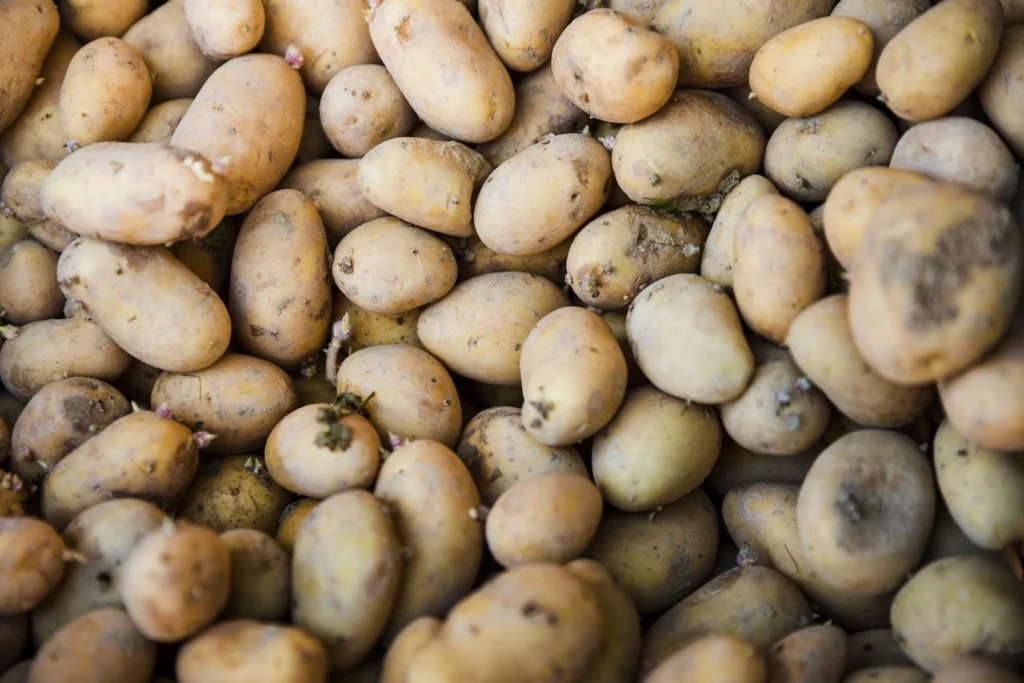
Europe’s Potato Shortage Explained Causes And Rising Prices
Europe’s potato shortage is becoming one of the clearest signs of how extreme weather is reshaping food supply. A brutal summer of heat and drought has cut harvests across several major growing countries. Prices are climbing fast, and farmers are warning the damage could reach into next year.
What’s Driving Europe’s Potato Shortage
The 2026 summer brought record heat across much of Europe. Great Britain, Germany, France, Belgium, and the Netherlands all saw potato harvests shrink under the strain. Combined production across these five countries is expected to fall by more than 3.5 million tonnes because of the extreme weather. Losses are estimated between 498 million and 818 million euros, according to the Energy and Climate Intelligence Unit.
Potatoes need consistent moisture to grow well, and this summer simply did not provide it. Analysts have called the potato one of Europe’s thirstiest crops, which made it especially vulnerable once the drought set in.
How Bad Are the Price Increases
The numbers tell the story clearly. Belgian free market potato prices rose from close to zero in April to more than 200 euros a tonne by late summer. German prices climbed even further, going from 15 euros a tonne in June to 240 euros just a few months later.
These jumps reflect how tight supply has become. When a staple crop like potatoes drops sharply in volume, prices react fast, especially in markets that rely heavily on fresh seasonal harvests.
The Netherlands Faces a Steep Decline
The Netherlands, one of Europe’s largest potato producers, is expecting one of its toughest years in recent memory. Production is forecast to fall from 27.3 million tonnes last year to somewhere between 19.5 and 20.5 million tonnes in 2026. That is a drop of nearly 30 percent in a single growing season.
For a country that exports potatoes and potato products across the continent, a decline this steep has ripple effects far beyond its own borders.
Why This Summer Was Different
This shortage did not come out of nowhere. It followed what has already been confirmed as Europe’s hottest summer on record. Persistent heat combined with long dry stretches left soil moisture levels far below what potato crops need during their key growing months.
Other summer crops were affected too. Yields across parts of Europe came in up to 14 percent below the five year average, based on assessments from the European Commission’s Joint Research Center. Potatoes were simply one of the most visible casualties because of how widely the crop is grown and consumed.
The Bigger Picture Across the EU
The shortage extends beyond the five hardest hit countries. World Potato Markets now forecasts the EU’s 2026 processing potato crop will fall below 40 million tonnes for the first time on record, roughly 15 million tonnes lower than the previous year. Germany, France, the Netherlands, Belgium, and Poland all recorded year on year reductions in planted area heading into the season.
Five separate heatwaves during the growing months added further strain on top of reduced plantings. Each heatwave pushed soil moisture lower at a time when potato plants needed it most for healthy tuber growth.
From Oversupply to Shortage in One Year
What makes this shift notable is how fast conditions changed. Just a year earlier, Europe’s potato market was dealing with the opposite problem. The 2025/26 season saw heavy oversupply, with Belgian processing prices briefly falling to zero euros per tonne due to weak demand and excess stock.
That oversupply pushed many growers to cut planted area for 2026, a normal market response to a bad pricing year. When heat and drought hit on top of those already reduced plantings, the combination turned a routine correction into a steeper shortfall than most in the industry expected. It is a reminder that potato supply now depends as much on weather patterns as it does on planting decisions.
What This Means for Consumers and Farmers
Quick Perspective: A single degree of sustained heat stress during the growing season can measurably reduce potato yields, since the crop is especially sensitive to soil moisture during tuber formation.
For consumers, the most immediate effect will likely show up as higher prices for potatoes and potato based products in grocery stores. For farmers, the pressure is more complicated. Many are already dealing with rising costs and, in some cases, added strain from trade tariffs affecting exports.
Industry analysts note that a stable climate is essential for growing potatoes reliably. Without it, growers face a cycle of unpredictable yields and financial strain that becomes harder to plan around each year.
How Europe Is Responding to the Shortage
European processors are adjusting where they sell as supply tightens at home. Exports of processed potato products to South America grew sharply this year, led by Brazil, Colombia, and Chile. Shipments to the Middle East and Africa also increased, even as overall supply became more limited.
At the same time, trade pressures from outside Europe are adding complexity. U.S. tariff policy has disrupted some supply chains, while proposed tariffs on Canadian frozen fries could push more international buyers toward European suppliers. This mix of tighter domestic supply and shifting global demand is reshaping how the industry plans for the months ahead.
Could This Happen Again Next Year
Some analysts expect the potato market to move toward a more balanced correction rather than a repeat shortage, depending heavily on how much land farmers choose to plant in the coming season. Planting area remains one of the few levers growers can adjust in response to a difficult year.
However, if reduced planting overlaps with another season of poor weather, the risk of a second tight year remains real. Climate patterns in recent summers suggest this is not a one time event but part of a broader trend affecting European agriculture.
Final Takeaway
Europe’s potato shortage shows how directly climate extremes can affect everyday food supply. A single hot, dry summer pushed harvests down by millions of tonnes and sent prices sharply higher across major producing countries. With the Netherlands and other top growers already bracing for lower output, the coming planting season will be critical. How farmers respond, and how the weather behaves next year, will determine whether this shortage is a one time shock or the start of a longer pattern.
Read more related articles: Europe’s Water Reserves Are Drying Up Fast: A Hidden Crisis
FAQs
Q1: What is causing Europe’s potato shortage?
Ans: Record summer heat and drought across the UK, Germany, France, Belgium, and the Netherlands sharply reduced potato yields in 2026.
Q2: How much has potato production dropped?
Ans: Combined production across five major countries is expected to fall by more than 3.5 million tonnes, with the Netherlands alone facing a drop of nearly 30 percent.
Q3: Will potato prices stay high?
Ans: Prices have already risen sharply in Belgium and Germany. Whether they stay elevated will depend on how next year’s planting and weather play out.
Q4: Is this shortage linked to climate change?
Ans: Yes. The shortage followed Europe’s hottest summer on record, and experts point to climate driven heat and drought as the main cause.