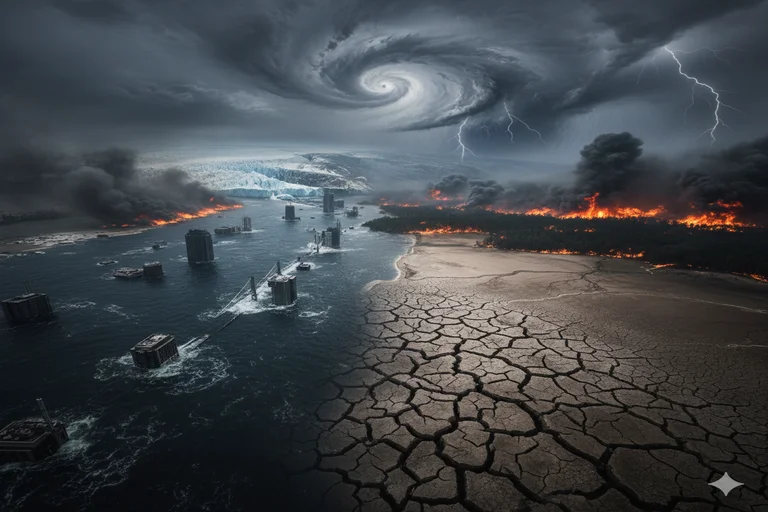
Different Types Of Climate Change And How They Affect Our Planet
Climate change is not a single event—it comes in different forms, each affecting the world in its own way. When we talk about the different types of climate change, we’re really looking at a mix of changes happening in temperature, weather patterns, oceans, and ecosystems. These shifts are becoming stronger and more visible every year, reshaping how we live, grow food, travel, and plan for the future. In this blog, we’ll break down each type in simple words so you can clearly understand what’s happening and why it matters today.
What Exactly Is Climate Change?
Climate change refers to long-term shifts in temperature, rainfall, wind patterns, and other natural events. While Earth’s climate has always changed gradually over thousands of years, the current rate of change is much faster due to human activities such as burning fossil fuels, deforestation, and industrial expansion.
Scientists confirm that the last decade was the warmest on record, with 2025 continuing this trend. These changes aren’t random; they follow distinct patterns, allowing us to grasp the full scale of the problem.
Major Types of Climate Change
1. Global Warming
Global warming refers to the long-term rise in Earth’s average surface temperature, mainly caused by greenhouse gases such as carbon dioxide and methane, which trap more of the Sun’s heat in our atmosphere. heat in the atmosphere. This warming disrupts climate systems: it melts glaciers and ice caps, raises sea levels, alters rainfall and weather patterns, and messes up ecosystems. Human actions—burning fossil fuels, cutting down forests, and growing industries—are the main cause of this rise. As a result, many parts of the world are experiencing hotter weather, more intense storms or droughts, and shifting environmental conditions.
2. Shifting Weather Patterns
Changes in weather patterns are another form of climate change. Regions that were once predictable in rainfall and seasonal cycles are now experiencing unusual conditions. Some areas face prolonged droughts, while others experience sudden and intense rainfall.
These unpredictable weather shifts affect agriculture, water resources, and infrastructure. Crops fail in areas that suddenly receive too little or too much rain, and cities struggle to cope with unexpected storms. The interaction of these changes demonstrates how the different types of climate change can combine to create complex challenges.
3. Rising Sea Levels
Rising sea levels happen when polar ice melts and oceans warm and expand—pushing water further inland. This threatens coastal zones with flooding and erosion, which can wash away land and homes. Saltwater then seeps into freshwater supplies, ruining drinking water and harming agriculture. As a result, coastal communities may lose land, face water shortages, and even be forced to relocate.
4. Ocean Acidification
As oceans absorb excess carbon dioxide, their chemistry changes, making the water more acidic. This process harms marine life and disrupts the balance of ocean ecosystems.
Coral reefs bleach and weaken, fish populations decline, and the marine food chain is destabilized. Communities that rely on seafood for their livelihood face serious challenges. Ocean acidification is a slower-moving but equally critical form of climate change, demonstrating that the effects extend beyond immediate weather events.
5. Melting Glaciers and Ice Sheets
Glaciers and ice sheets in polar regions are melting at unprecedented rates. This type of climate change not only contributes to rising sea levels but also reduces freshwater availability for millions of people worldwide.
The retreat of glaciers affects ecosystems that depend on cold water and impacts weather patterns globally. Data from 2025 shows record ice loss in regions like Greenland and Antarctica, making this a clear indicator of accelerating climate change.
6. Extreme Weather Events
Climate change is causing more frequent and intense extreme weather events, including hurricanes, floods, heatwaves, and winter storms. Unlike slow changes, these events are sudden and highly destructive, affecting lives, property, and economies.
For instance, stronger hurricanes can devastate coastal cities, while extended heatwaves stress health systems and agriculture. Extreme events show the immediate human impact of climate change and why adaptation strategies are critical.
7. Changes in Ecosystems and Wildlife
The impact of climate change on ecosystems is profound. Rising temperatures and altered rainfall patterns force species to migrate, adapt, or face extinction. Plants and animals that rely on specific conditions are struggling to survive.
This disruption affects human life indirectly as well. Pollination cycles change, fisheries decline, and new wildlife–human conflicts arise as animals search for new habitats. Recognizing this type of climate change highlights the interconnectedness of natural systems and human society. For the latest research and detailed climate data, visit NASA Climate Research.
Why It Matters
Understanding the different types of climate change matters because it helps us see the full scope of how our planet is being affected. Each type—whether it’s global warming, extreme weather, or ocean acidification—impacts people, wildlife, and ecosystems in unique ways. Knowing the differences allows governments, communities, and individuals to plan more effectively, protect vulnerable populations, adapt infrastructure, and take action to reduce future damage. It also raises awareness, encouraging lifestyle changes and global cooperation to tackle climate change before its effects become irreversible.
In short, understanding these types isn’t just scientific—it’s practical. It guides decision-making, policy, and daily choices that can safeguard our planet and future generations.
How These Types of Climate Change Affect Daily Life
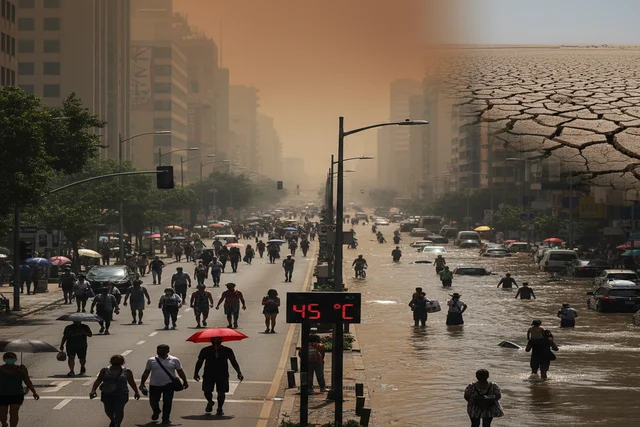
Climate change touches every aspect of daily life. Health is affected as heatwaves increase heat-related illnesses, and poor air quality worsens respiratory problems. Food and water are impacted by droughts, floods, and changing agricultural conditions, creating uncertainty and higher costs. Homes, cities, and infrastructure are damaged by floods and storms, requiring greater investment in protection and recovery. Economically, billions of dollars are lost annually due to disasters and disruptions, affecting industries such as farming, energy, and tourism.
Understanding the different types of climate change helps communities prepare, respond, and reduce future risks. It is a reminder that climate change is not a single problem but a combination of interlinked challenges.
What We Can Do
While climate change is a global issue, individual and community actions can make a difference. Renewable energy adoption, protecting forests, planting more trees, reducing waste, and choosing low-emission transportation are effective ways to contribute. Governments, organizations, and citizens must collaborate to create meaningful change, or the effects of the Different Types of Climate Change will continue to intensify.
Climate change affects the world in many ways. By understanding the different types of climate change, from global warming to ocean acidification, melting ice, and extreme weather events, we gain insight into the scope and urgency of the problem. Each type affects human life, ecosystems, and the economy differently, but together they form a global challenge that demands immediate action. While the situation is serious, understanding these changes empowers us to make informed decisions, adapt to new realities, and work toward a healthier, more resilient planet.
Read more related articles> https://www.climatechallange.com/how-cities-can-address-the-climate-challenge/
FAQS
Q1. What causes climate change the most?
Ans. Human activities such as burning fossil fuels, deforestation, and industrial emissions are the leading causes of rapid climate change. Natural processes also contribute, but at a much slower rate.
Q2. Are the effects of climate change reversible?
Ans. Some impacts can be slowed or partially reversed with strong global action, such as reducing emissions and protecting ecosystems. But other changes, like glacier loss, take centuries to recover.