Precision Gardening For Beginner Tools, Tips, And Real Benefits
Precision Gardening Trends 2026 are reshaping how people grow plants in a changing climate. According to Garden Media Group’s trend reports, precision-based and data-driven gardening practices are expected to rank among the top gardening movements in 2026. Gardeners today want better results with fewer resources, and that demand is driving smarter, more targeted gardening methods.
Precision gardening emphasizes accuracy over routine. Instead of watering, feeding, or pruning based on habit, gardeners respond to real plant needs by observing, using tools, and using environmental data. This approach reduces waste, protects soil health, and helps plants thrive even under challenging weather conditions.
For beginners, precision gardening offers clarity and confidence. You don’t need years of experience—just the right information and a practical mindset. This guide explains the tools, techniques, and real benefits that make precision gardening ideal for modern gardeners.
What Is Precision Gardening? (Simple Explanation for Beginners)
Precision gardening is a modern gardening approach that uses real-time information to guide plant care decisions. It considers factors such as soil moisture, sunlight exposure, temperature, and plant growth stages rather than following fixed schedules.
Traditional gardening often relies on guesswork, which can lead to overwatering, nutrient imbalance, and stressed plants. Precision gardening replaces assumptions with accuracy, helping plants receive exactly what they need.
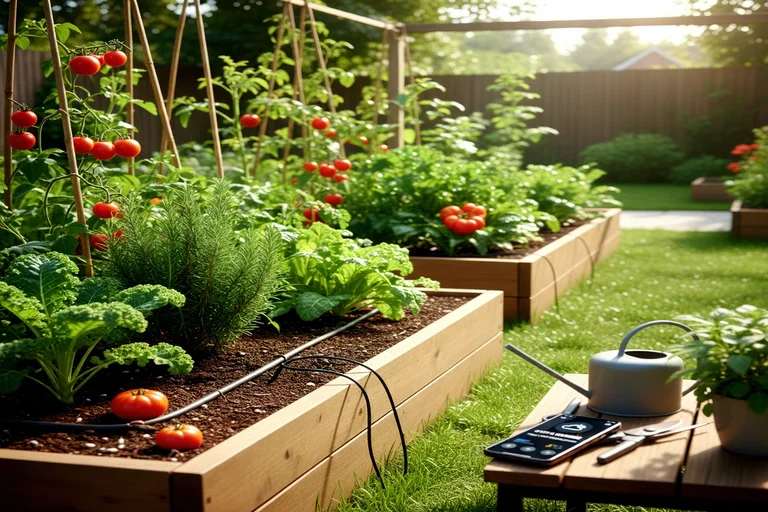
This method works across all spaces—home gardens, raised beds, rooftops, balconies, and even indoor plants—making it accessible for beginners and experienced gardeners.
Why Precision Gardening Is Gaining Popularity in the U.S.
Precision gardening is gaining popularity in the U.S. due to rising climate stress, water shortages, and unpredictable weather patterns. Many American states now face longer droughts and stricter water regulations, pushing gardeners to adopt more efficient watering and soil management practices.
Another major reason is the rapid adoption of smart home and garden technology. U.S. gardeners are increasingly comfortable using soil sensors, smart irrigation controllers, and weather-based apps to manage outdoor spaces with less effort and better results.
Urban gardening has also fueled this trend. As more Americans grow food in small backyards, balconies, and rooftops & raised beds, precision gardening helps maximize yields while minimizing water and fertilizer waste. Garden Media Group highlights that sustainability-driven gardening choices are becoming mainstream in the U.S. By 2026, data-guided gardening methods such as precision gardening are expected to be standard rather than optional.
Essential Precision Gardening Tools for Beginners
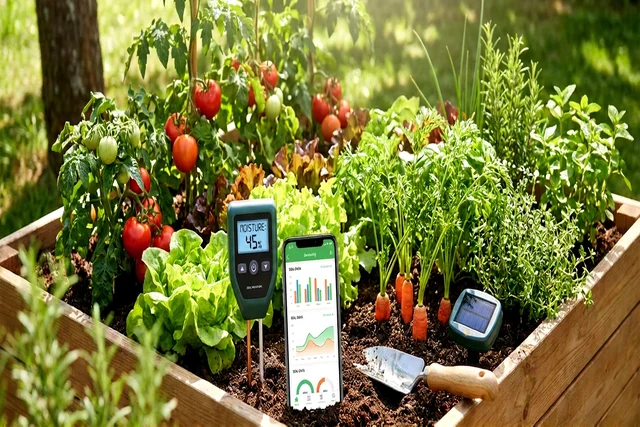
You don’t need advanced technology to start precision gardening. A few simple tools can significantly improve plant health and resource efficiency.
1. Smart Soil Sensors (IoT Integration)
Smart soil sensors are the most critical entry-level tools for precision gardening as we head into 2026. These devices utilize IoT technology to provide real-time data on soil moisture, temperature, and nutrient levels directly to your smartphone. By eliminating guesswork, beginners can ensure their plants receive the exact care required, preventing common issues like root rot or nutrient burn. Garden Media Group confirms that data-driven soil management is now a top priority for 64% of new tech-savvy gardeners.
2. AI-Powered Garden Assistants
Artificial intelligence has transformed plant care by providing personalized plant prescriptions through advanced mobile apps and cloud-based platforms. These AI tools actively analyze your yard’s unique micro-climate and sunlight patterns to suggest the most resilient plant varieties for your region. By 2026, applications like PictureThis are expected to include advanced diagnostic features that can predict pest outbreaks before they happen. This proactive approach enables beginners to maintain a healthy garden with professional-level accuracy while requiring minimal manual effort.
3. Smart Weather-Based Irrigation
Smart irrigation controllers are becoming a standard requirement for sustainable gardening in 2026 to combat rising water costs and droughts. These controllers connect to hyper-local weather stations to automatically skip watering cycles during rain or high humidity periods. According to recent environmental reports, using precision watering tech can save up to 50% of outdoor water usage annually. This makes it an essential investment for beginners who want to be eco-conscious while maintaining a lush, green backyard.
4. Digital pH and NPK Analyzers
The traditional method of using paper strips for soil testing is being replaced by high-precision digital pH and NPK analyzers. These handheld devices provide instant, laboratory-grade readings of soil acidity and mineral content, which are crucial for plant health. Understanding your soil’s chemical makeup allows for “targeted fertilization,” ensuring you only add what is missing rather than using generic fertilizers. This precision-focused strategy promotes faster growth cycles and significantly improves the overall yield of home-grown fruits and vegetables.
How to Start Precision Gardening: 2026 Step-by-Step Guide
Step 1: Map Your Garden’s Micro-Climates
The first step toward precision gardening in 2025-26 is to create a digital or physical map of your yard’s unique microclimates. Use a light meter or a gardening app to actively track which areas receive full sun, partial shade, or strong winds throughout the day. When you clearly understand these zones, you can place plants in their optimal environment, which reduces plant stress and supports maximum growth. This data-driven approach forms the foundation of precision gardening & transforms an ordinary backyard into a scientifically organized ecosystem.
Step 2: Check Soil Health With Digital Tools
Before planting, you must perform a comprehensive soil test using modern digital analyzers rather than outdated manual kits. These high-tech tools provide instant feedback on your soil’s pH levels and essential nutrient concentrations, such as nitrogen, phosphorus, and potassium. By knowing exactly what your soil lacks, you can apply “targeted amendments” instead of using broad-spectrum fertilizers that can harm the environment. Starting with precise soil data ensures that your garden has the perfect chemical foundation to support 2026’s high-yield plant varieties.
Step 3: Install an Intelligent Irrigation Hub
Once your plants are in the ground, the next step is to automate your watering using a smart, weather-based irrigation hub. These systems use Wi-Fi to sync with local meteorological data, ensuring that your garden is only watered when the soil sensors indicate a genuine need. In 2026, this step is vital for water conservation, as precision controllers can prevent overwatering by adjusting for humidity and predicted rainfall. This automation saves time and follows natural watering patterns far more accurately than traditional timer-based systems.
Step 4: Monitor and Optimize with AI
The final step involves continuously monitoring your garden’s health using AI-powered diagnostics and real-time data tracking. Set up smartphone alerts to notify you when moisture levels drop in a specific zone or when a potential pest threat appears nearby. By regularly reviewing this data, you can make small, precise adjustments to your gardening routine that support long-term sustainability and help your garden adapt to climate change in 2026. This ongoing process of optimization is what truly distinguishes a traditional garden from a high-performing precision garden.
Real Benefits of Precision Gardening
Many beginners are surprised by how quickly precision gardening delivers visible improvements.
Plants grow stronger because they receive balanced care. Overwatered roots recover, and nutrient deficiencies are addressed properly.
Water bills often drop noticeably. Precision gardening reduces unnecessary watering, which is especially helpful in dry climates.
Garden maintenance becomes less stressful. When tools guide your decisions, you spend less time fixing problems and more time enjoying results.
Perhaps most importantly, precision gardening supports environmental responsibility. Reducing water waste and fertilizer runoff makes a positive impact beyond your own garden.
These real benefits explain why precision gardening is rapidly becoming the preferred method for modern gardeners.
Common Beginner Mistakes in Precision Gardening
- Relying Only on Technology: Beginners often think tools can replace observation. Precision gardening works best when you combine data with careful attention to plant conditions.
- Over-Monitoring and Frequent Adjustments: Constantly changing watering or feeding schedules can stress plants. Stick to consistent routines guided by real-time data.
- Ignoring Soil Health: Healthy soil is the foundation of precision gardening. Skipping soil tests or neglecting organic matter reduces the effectiveness of smart gardening practices.
- Overwatering or Overfeeding: Even with sensors, some beginners still overdo water or fertilizer. Always respond to actual plant needs rather than habit.
- Skipping Documentation: Not keeping notes on plant response and garden conditions makes it hard to refine decisions over time. Recording observations helps improve accuracy.
The Future of Precision Gardening Beyond 2026
Precision gardening is set to become even smarter and more accessible beyond 2026, with affordable AI-powered tools and climate-responsive irrigation systems. Gardeners will rely on data-driven insights to make faster, more accurate decisions while saving water and resources. Urban and small-space gardening will benefit the most as efficiency becomes essential in limited areas. Overall, the future points toward gardens that are sustainable, resilient, and easier to manage for everyone.
Precision Gardening offers beginners a smarter way to grow healthy plants with fewer resources. By focusing on real conditions instead of routines, gardeners gain better control and long-term success. As Precision Gardening Trends 2026 continue to influence modern gardening, this method is becoming essential rather than optional. Whether you garden in a backyard, balcony, or rooftop, precision gardening adapts to your space and lifestyle.
Read more related articles: https://www.climatechallange.com/the-future-of-home-gardening-vertical-hydroponic-system/
FAQS
Q1. What is precision gardening in simple terms?
Ans. Precision gardening means caring for plants based on real data like soil moisture and weather instead of fixed schedules. It reduces waste and improves plant health naturally.
Q2. Is precision gardening suitable for beginners?
Ans. Yes, beginners benefit the most because precision gardening removes guesswork and prevents common mistakes like overwatering or overfeeding.
Q3. Does precision gardening really save water?
Ans. Yes, by watering only when plants need it, precision gardening significantly reduces water waste and supports sustainability.